
Fertilization
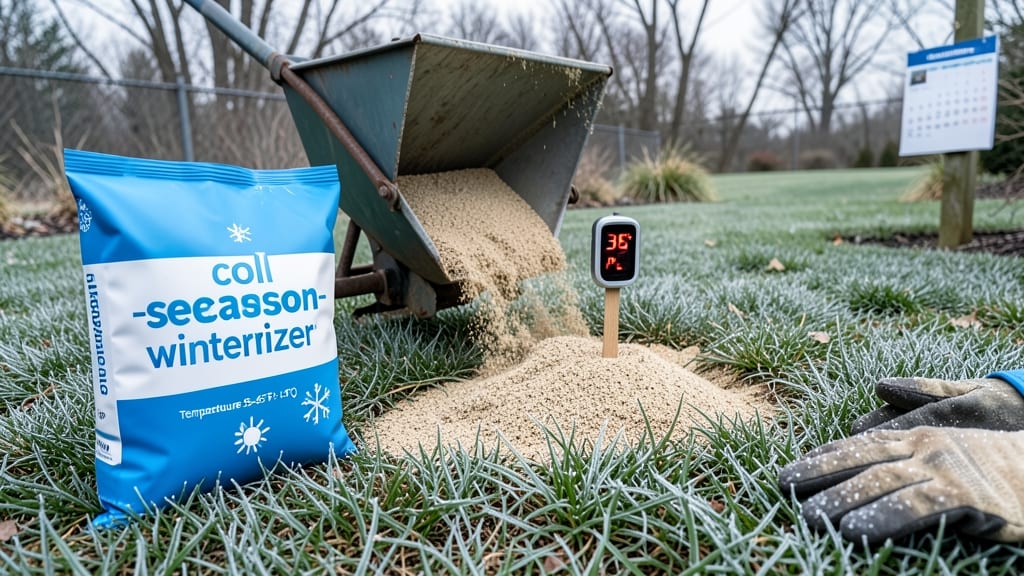
Fertilizing lawn when is it too cold to fertilize your lawn** risks burning roots and wasting nutrients—so timing is everything for a healthy 🌱.
Picture this: you spread fertilizer in late fall, only to wake up to frost the next morning. That’s how you end up with nutrient runoff, stressed grass, and a winter that feels like a setback.
The key isn’t just avoiding cold—it’s knowing the exact thresholds that protect your lawn while still giving it a growth boost.
Cool-season grasses like Kentucky bluegrass can handle fertilization down to 40°F, but warm-season types like Bermuda grass shut down by 60°F. Regional climates add another layer—Northern zones need earlier adjustments, while Southern lawns might stretch fertilization into November. Testing soil temperature (not air temperature) is the game-changer here.
In this guide, I’ll break down the ideal temperature ranges, red-flag signs your lawn isn’t ready, and smart alternatives like pre-winter soil amendments. By the end, you’ll fertilize with confidence—no more guesswork, just stronger roots and greener grass when spring rolls around.
Cold weather fertilizer thresholds: exact temperatures that protect grass roots
Fertilizing your lawn in cold weather can do more harm than good, especially when soil temperatures drop below 50°F (10°C). Grass roots become less active in cooler conditions, making them vulnerable to nutrient burn and winter stress.
Understanding the exact temperature thresholds for your grass type is crucial to avoid costly mistakes and ensure your lawn thrives when spring arrives.
Cool-season grasses like Kentucky bluegrass and fescue tolerate cooler temperatures, while warm-season grasses such as Bermuda and Zoysia shut down almost completely when temperatures dip.
The key is knowing when to pause fertilization to protect your lawn while still giving it the nutrients it needs to recover in the warmer months.
| Grass Type | Safe Fertilization Range (°F/°C) | Risk Zone (°F/°C) | Action Needed |
|---|---|---|---|
| Cool-Season Grasses (Kentucky Bluegrass, Fescue, Ryegrass) | 50-65°F (10-18°C) | Below 50°F (10°C) | Pause fertilization; use winterizer or organic amendments |
| Warm-Season Grasses (Bermuda, Zoysia, St. Augustine) | 65-80°F (18-27°C) | Below 60°F (15°C) | Stop fertilizing; focus on soil prep for spring |
| Northern Climates (USDA Zones 3-5) | 45-55°F (7-13°C) | Below 40°F (4°C) | Avoid fertilization; apply mulch or compost |
| Southern Climates (USDA Zones 7-9) | 55-65°F (13-18°C) | Below 50°F (10°C) | Reduce frequency; use slow-release fertilizers |
Soil temperature is more critical than air temperature when deciding whether to fertilize. A soil thermometer is your best tool for accuracy, as surface temperatures can be misleading. Insert it 4-6 inches deep—the depth where most grass roots thrive—to get a true reading of what your lawn is experiencing.
Fertilizing too early in cold weather can lead to nutrient runoff and root burn, as grass roots struggle to absorb nutrients efficiently. Instead, focus on soil amendments like compost or organic matter to improve soil health without risking damage.
These additions provide long-term benefits while protecting your lawn during dormancy.
Regional variations play a huge role in determining the right time to fertilize. In northern climates, where winters are harsher, it’s safer to wait until soil temperatures consistently stay above 50°F (10°C) in spring.
In southern climates, where winters are milder, you might have a slightly longer window, but always prioritize soil temperature over calendar dates.
If you’re unsure about your local climate, check your USDA hardiness zone and adjust your fertilization schedule accordingly. For example, Zone 5 lawns may need to wait until late April or early May, while Zone 8 lawns might be ready by early March.
Always err on the side of caution—your lawn will thank you in the long run.
Using a slow-release fertilizer in early fall can be a smart strategy for cool-season grasses, as it provides nutrients over time without overwhelming the roots. This approach ensures your lawn gets the boost it needs to overwinter successfully and recover quickly in spring.
Just be sure to apply it at least 6-8 weeks before the first frost to avoid winter damage.
Another common mistake is fertilizing after the first frost. While it might seem like your lawn is still green, the roots are already slowing down, making them unable to process nutrients effectively. Instead, focus on light aeration and overseeding in fall to strengthen your lawn for the following growing season.
To summarize, always check soil temperature before fertilizing in cold weather. If it’s below 50°F (10°C), pause fertilization and switch to soil-enriching practices like composting or mulching. Your lawn’s health depends on it, and a little patience now will pay off with a lush, vibrant lawn next season. 🌱
Signs your lawn is too cold for fertilizer (and what to do instead)
When temperatures dip, your lawn sends subtle signals that it’s not ready for fertilizer. Cold stress can cause nutrient burn, stunted growth, or even winterkill if you apply fertilizer too early. Learning to recognize these signs helps you avoid costly mistakes while keeping your grass healthy during chilly months.
One of the first clues is dormant or discolored grass. If your lawn turns brown or grayish-green, it’s likely entering dormancy—a natural survival mechanism in cold temperatures. This is your lawn’s way of telling you to hold off on fertilization until spring, when active growth resumes.
Another warning sign is frost damage on grass blades or soil. Even if daytime temperatures feel mild, overnight frosts can weaken roots and make them more susceptible to fertilizer burn. Always check for frost before applying any nutrients, especially in early fall or late spring.
⚠️ CALLOUT-WARNING
✅ Safe Zone: Soil temps above 50°F (10°C) for cool-season grasses (e.g., Kentucky bluegrass, fescue).
❌ Danger Zone: Below 40°F (4°C)—roots slow or stop absorbing nutrients, risking burn or runoff.
🌡️ Pro Tip: Use a soil thermometer (not air temp!) to test 2-3 inches deep. Warm-season grasses (e.g., Bermuda, Zoysia) need 60°F+ (15°C+) soil.
If your lawn shows signs of slow growth or patchiness, it may be struggling with nutrient uptake in cold soil. Instead of fertilizing, try aeration to improve root access to oxygen and water. This helps your lawn recover without overloading it with nutrients it can’t use.
For late-season care, consider a winterizer fertilizer (high in potassium) in early fall (before the first frost). This strengthens roots without promoting top growth. Pair it with overseeding to fill thin areas—just use a light layer of compost instead of heavy fertilizer.
To troubleshoot common mistakes, check for these red flags: yellowing grass (over-fertilization), white crust on soil (salt buildup), or mushy patches (waterlogged roots). If you spot these, skip fertilizer and focus on drainage improvements or light watering instead.
Remember, your lawn’s health depends on timing. Wait until soil warms and grass shows signs of active growth (like upright blades and vibrant color) before fertilizing. Patience now means a lush, resilient lawn come spring! 🌿