
Plants
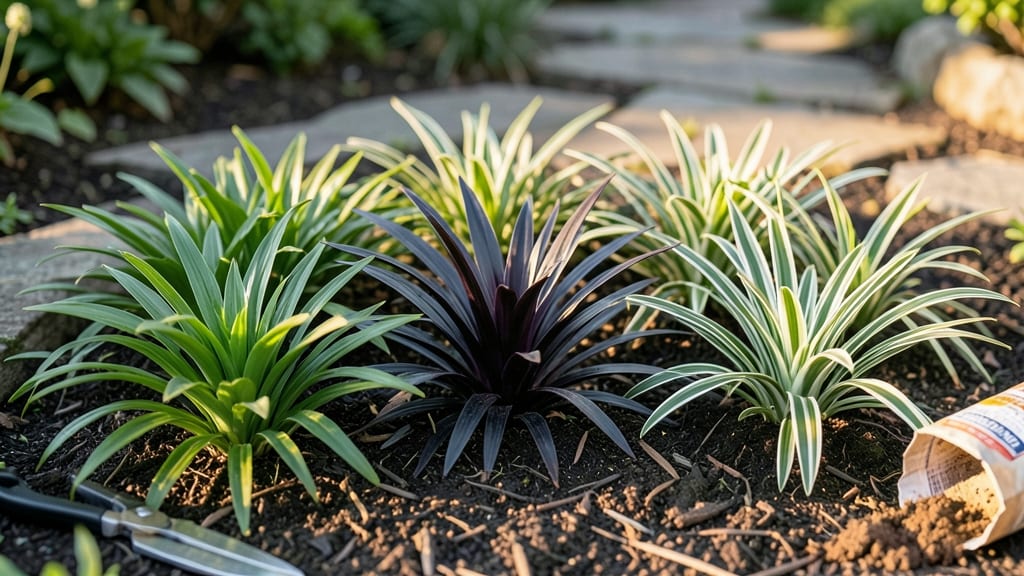
The types of mondo grass you choose can turn shady spots into vibrant, low-maintenance gardens, thriving where most plants struggle. My favorite varieties include Ophiopogon japonicus for classic elegance and Ophiopogon planiscapus for bold contrast, both perfect for borders, containers, or filling gaps under trees.
What makes mondo grass a game-changer is its adaptability. It handles partial shade like a pro, tolerates a range of soil types (even clay), and stays compact—never overpowering like aggressive ground covers. The key to success?
Consistent moisture (but not soggy soil) and a spot with at least 4 hours of filtered light daily. Once established, it’s nearly drought-proof and requires minimal pruning, making it ideal for busy gardeners or those with shady corners that feel forgotten.
Picture this: a velvety carpet of deep green or silver-blue foliage that stays vibrant all season, even in hot summers or cold winters. Mondo grass adds structure to gardens without stealing the spotlight—think of it as the unsung hero that ties everything together.
It’s equally at home spilling over container edges or creating a crisp, defined border along pathways. The best part? It spreads slowly but steadily, filling in gaps naturally over time.
For cooler climates (zones 5-9), most varieties thrive with winter protection like a thick layer of mulch. In warmer zones, afternoon shade prevents scorching. Whether you’re revamping a shady yard or adding texture to containers, mondo grass delivers foolproof results with minimal effort. Ready to bring shade gardens to life?
📚 In This Guide
- What you need
- Instructions
- Tips and common mistakes
- Wrapping up and next steps
What you need
- ● Mondo Grass Variety: Ophiopogon japonicus 'Nana' (Dwarf Mondo) – Best for small spaces (1–2 ft tall)
- ● Ophiopogon japonicus 'Kyoto Dwarf' (Blue Mondo) – Compact, shade-loving (1–2 ft tall)
- ● Ophiopogon planiscapus 'Nigrescens' (Black Mondo) – Dramatic dark foliage (1–2 ft tall)
- ● Plants: 12–24 plugs (4" pots) or 1–2 squares of sod (per 100 sq ft)
- ● Soil: Well-draining, slightly acidic soil (pH 6.0–7.0). Amend with 1 part compost to 2 parts native soil.
- ○ Mulch: 2–3 inches of shredded bark or pine straw (optional but recommended for moisture retention).
- ● Tools: Garden trowel or spade
- ● Rake (for leveling soil)
- ● Measuring tape or string (for layout)
- ● Gloves (to protect your hands)
- ● Fertilizer: Slow-release balanced fertilizer (10-10-10) or organic compost tea (apply once in spring).
- ● Edging: Metal or plastic edging to define borders (prevents spreading into unwanted areas).
- ● Drip Irrigation: For consistent moisture (especially in hot climates).
- ● Weed Barrier Fabric: If your area has aggressive weeds (lay before planting).
How to select and plant Mondo grass varieties for your shade garden
With its velvety texture and shade tolerance, mondo grass transforms dull corners into lush carpets. Here’s how to choose and establish the perfect variety for your space.
Identify Your Hardiness Zone and Light Conditions
Mondo grass thrives in USDA Zones 7-11, but specific varieties have different cold tolerances. For example, Ophiopogon japonicus ‘Nana’ handles Zone 6 with winter mulch, while Ophiopogon planiscapus ‘Nigrescens’ prefers Zones 8-11. Check your zone first—this determines whether you’ll need cold-hardy types like ‘Dwarf Mondo’ or heat-tolerant varieties like ‘Black Mondo.’
Light is non-negotiable: mondo grass demands partial to full shade (2-6 hours of dappled sunlight daily). Direct sun scorches leaves, while deep shade slows growth. Observe your garden’s light patterns—east-facing shade or filtered canopy light works best. If your spot gets only 1-2 hours of sun, opt for ‘Variegata’ (tolerates low light better than solid green types).
Choose the Right Variety for Your Needs
There are four key types, each with distinct traits. ‘Dwarf Mondo’ (O. japonicus ‘Nana’) stays under 6 inches tall, ideal for edging or small containers. ‘Variegata’ features creamy-white stripes and grows 12-18 inches tall, perfect for contrast in mixed borders. ‘Black Mondo’ (O. planiscapus ‘Nigrescens’) reaches 18-24 inches with deep purple-black foliage, thriving in heat and humidity. Finally, ‘Evergreen Mondo’ (O. planiscapus ‘Kyoto’) has glossy green leaves and spreads aggressively—great for large ground cover areas.
Consider your garden’s scale and color palette. For a modern look, pair ‘Black Mondo’ with silver foliage plants like lamb’s ear. For a whimsical touch, ‘Variegata’ brightens shady spots near hostas. If you want low maintenance, ‘Dwarf Mondo’ needs minimal care and stays compact. Skimping on variety selection here leads to disappointment—each type behaves differently in spread and color intensity.
Prepare the Soil and Planting Site
Mondo grass dislikes soggy roots but won’t tolerate dry, rocky soil either. Amend your garden bed with 2-3 inches of compost mixed into the top 6 inches of native soil to improve drainage and fertility. If your soil is heavy clay, add 10% perlite or coarse sand to prevent compaction. Test pH—mondo prefers slightly acidic to neutral (6.0-7.0). Lime the bed if your soil tests below 5.5 to avoid yellowing leaves.
Dig holes twice as wide as the root ball but only as deep as the container’s base. Space plants 12-18 inches apart for ‘Dwarf Mondo’ or ‘Variegata’, and 24 inches apart for ‘Black Mondo’ or ‘Evergreen Mondo’—they spread aggressively. Plant in spring or early fall to avoid heat stress. Water deeply after planting to eliminate air pockets, then let the soil settle for 24 hours before watering again.
Establish Watering and Maintenance Routines
Keep soil evenly moist but not soggy for the first 4-6 weeks after planting. Water deeply 2-3 times per week (about 1 inch of water total), then taper to once weekly once established. Mondo grass signals thirst by developing crispy leaf tips—this is your cue to increase water slightly. Overwatering causes root rot, while underwatering leads to brown patches. A drip irrigation system on a timer works best for consistent moisture.
Fertilize lightly in early spring with a balanced 10-10-10 granular fertilizer (use ½ the recommended dose). Avoid high-nitrogen fertilizers—they promote leafy growth at the expense of root strength. Mulch with 2 inches of shredded bark to retain moisture and suppress weeds. Divide clumps every 3-4 years in early spring to prevent overcrowding. Simply dig up the center of the plant, separate into 3-inch sections, and replant.
Monitor for Pests and Adjust Care as Needed
Mondo grass is deer-resistant and rarely bothered by pests, but slugs and snails may target young plants. Set out beer traps (a shallow dish of beer) near the bed to catch them overnight. If you spot aphids on new growth, spray with neem oil in the early morning to avoid harming beneficial insects. Fungal issues like leaf spot appear as dark brown spots—this happens when foliage stays wet too long. Improve airflow by thinning crowded plants and watering at the base rather than overhead.
Watch for leaf discoloration as a sign of stress. Yellowing in spring often means too much nitrogen—switch to a low-nitrogen fertilizer or none at all. If leaves turn purple-black, your plant may need more sunlight or better drainage. Adjust care based on these visual cues. With proper selection and maintenance, mondo grass will spread into a dense, weed-blocking carpet within 2-3 years, transforming shady areas into lush, low-maintenance gardens.**
Tips & tricks for perfect Mondo grass planting
Here's what nobody tells you—these details make all the difference between a patchy lawn and a velvety carpet of shade-loving beauty.
Variety Matching: The 2-6 hours of dappled sunlight mentioned in Step 1 is your golden window—any less and growth slows dramatically, any more and leaves scorch. For spots with only 1-2 hours of sun, 'Variegata' is your best bet because its variegated foliage handles low light better than solid green types. I've seen 'Black Mondo' struggle in these conditions, turning dull and leggy.
Soil Prep Secret: When amending your soil with 2-3 inches of compost in Step 3, don't stop at the top 6 inches—work it down another 2-3 inches if your native soil is particularly dense. I learned this the hard way after watching 'Evergreen Mondo' spread slowly for years in compacted clay. The roots need that loose texture to establish properly, especially in the first critical 4-6 weeks after planting.
Planting Depth Cue: That 24-hour settling period after planting is more important than it seems. After watering deeply, press the soil firmly around each plant to eliminate air pockets. I use my thumb to make sure the soil feels solid—if it springs back when pressed, water again and press harder. This prevents the root ball from drying out too quickly during those first crucial days.
Watering Wisdom: The 1 inch of water total mentioned for weekly maintenance is a guideline, but don't rely solely on measurements. Instead, check soil moisture by sticking your finger 1-2 inches deep—if it feels dry, water. If it's still moist, wait another day. Overwatering is the #1 reason mondo grass fails, causing root rot that's nearly impossible to reverse. I've seen entire beds turn mushy from well-meaning gardeners who followed watering schedules too literally.
Pro Tips for Types Of Mondo Grass
- Here's what nobody tells you—these details make all the difference between a patchy lawn and a velvety carpet of shade-loving beauty.
- Variety Matching: The 2-6 hours of dappled sunlight mentioned in Step 1 is your golden window—any less and growth slows dramatically, any more and leaves scorch.
- Soil Prep Secret: When amending your soil with 2-3 inches of compost in Step 3, don't stop at the top 6 inches—work it down another 2-3 inches if your native soil is particularly dense.
Frequently asked questions
What’s the best type of mondo grass for deep shade?
If your garden gets little to no sunlight, Ophiopogon japonicus 'Nigrescens' (black mondo) or Ophiopogon planiscapus 'Nana' (dwarf mondo) are your best bets. Both thrive in full to partial shade (2–6 hours of light) and handle damp soil better than sun-loving varieties.
How long does it take for mondo grass to fill in a bare spot?
Patience pays off! With consistent moisture and shade, mondo grass spreads slowly but steadily. Expect 6–12 months for full coverage, though some faster-spreading cultivars (like 'Kyoto Dwarf') may close gaps in 3–6 months. Mulching helps speed up the process.
Why is my mondo grass turning brown or crispy?
Brown patches usually mean too much sun, drought, or poor drainage. If your variety is shade-loving but suddenly gets scorched, move it to a shadier spot. Overwatering can also cause root rot—ensure soil drains well. Pro tip: Trim back dead fronds in early spring to encourage fresh growth!
Can I use mondo grass as a lawn replacement?
Mondo grass is a low-maintenance, pet-friendly alternative to turf, especially in shady yards. It stays soft underfoot (once established), resists weeds, and stays green year-round in mild climates. Just avoid heavy foot traffic on newer patches—give it time to root.
What’s a good alternative if I need something harder than mondo grass?
If you’re after durability and drought tolerance, consider Liriope muscari (monkey grass) or Carex oshimensis (Japanese sedge). Both handle foot traffic better and spread faster, though they may need slightly more sun. For ultra-shade, Hosta varieties (like 'Francee') pair well as complementary ground covers.
Wrapping up and next steps
From the delicate Ophiopogon japonicus to the bold Liriope muscari, mondo grass offers a stunning variety of textures, colors, and growth habits perfect for shade gardens.
Whether you’re drawn to its low-maintenance charm or its ability to thrive in tough conditions, these grasses are a game-changer for adding year-round greenery. 🌿
Ready to transform your space? Start small—pick one variety that matches your garden’s needs and experiment with placement. Before you know it, you’ll have a lush, vibrant carpet that’s the envy of the neighborhood! 🌟