
Pruning
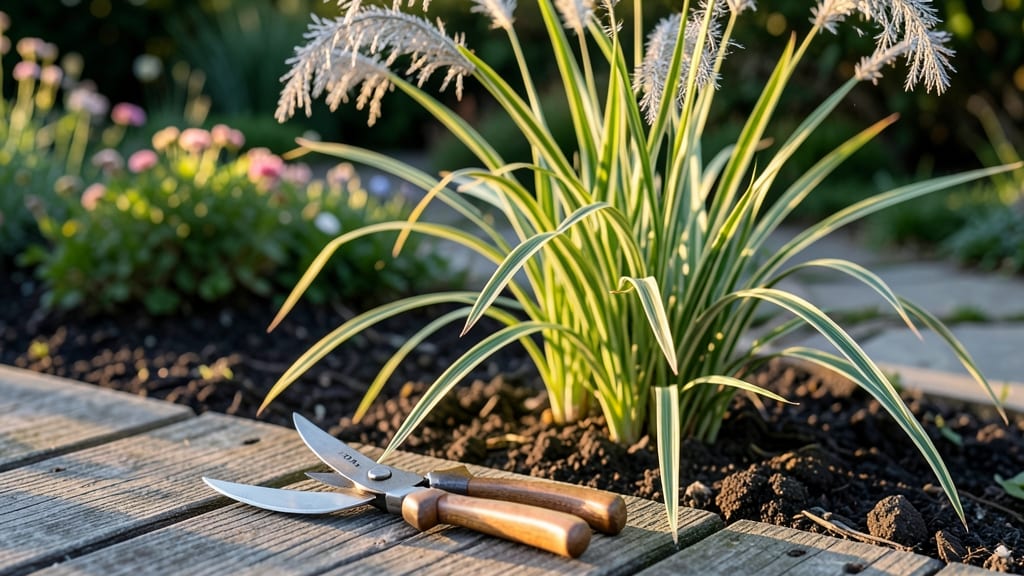
Perfect zebra grass starts with a single clean cut—no guesswork, just precision. 🌿 The striped patterns that make this ornamental grass so striking depend on proper trimming, and I’ve learned that timing and technique make all the difference.
Skip the wrong approach, and you’ll end up with a messy clump instead of the elegant, airy look you want.
You’ll need sharp pruners or shears, gloves for grip, and a clear day to avoid damp grass clinging to blades. The best time to trim is late winter or early spring, just as new growth begins—this keeps the plant healthy and encourages fresh, vibrant stripes.
If you’re shaping for aesthetics, wait until the grass reaches about 18-24 inches tall before making your first cut.
Start by removing any dead or damaged foliage at the base, then trim the entire plant to about 6-12 inches tall. The goal is to maintain the natural shape while enhancing those signature stripes.
For a more refined look, angle your cuts slightly to create movement, but avoid cutting into the hard center stalk—this keeps the plant strong for years to come.
Common mistakes like trimming too late in the season or using dull tools can stress the plant, leading to weak growth or disease. With the right approach, your zebra grass will stay lush, striped, and disease-resistant for seasons—no overgrowth in sight. Now, let’s get those shears ready!
📚 In This Guide
- What you need
- Instructions
- Tips and common mistakes
- Wrapping up and next steps
What you need
- ● Hand Pruners or Bypass Pruners: Sharp, bypass-style pruners (not anvil-type) for clean cuts. Choose 5-inch to 7-inch blades for precision.
- ● Long-Handled Hedge Shears: 18-inch to 24-inch reach to avoid straining your back while trimming tall clumps (zebra grass can grow 6 to 10 feet tall!).
- ● Heavy-Duty Garden Gloves: A pair of cut-resistant, breathable gloves (e.g., mechanics-style or gardening-specific) to protect your hands from sharp edges and thorns.
- ○ Pruning Saw (Optional but Helpful): A curved-blade pruning saw for thick, woody stems that pruners can’t handle.
- ● Loppers: 24-inch to 36-inch loppers for larger clumps or overgrown sections.
- ● String Trimmer (Weed Whacker): A gas-powered or electric trimmer with a high-quality metal blade (not string) for cleaning up debris and shaping edges.
- ● Knee Pads or Stool: For comfort, especially if your grass is tall or you’re working for extended periods.
- ● Garden Twine or Zip Ties: To bundle and secure pruned stems for disposal or composting.
- ● Garden Cart or Wheelbarrow: For hauling clippings and debris away from your work area.
- ● Extender Pole for Shears: Attaches to your hedge shears for hard-to-reach areas without a ladder.
- ● Rubbing Alcohol or Pruner Cleaner: To disinfect tools between cuts and prevent disease spread.
- ● Sharpener for Pruners: A file or honing stone to keep blades razor-sharp for clean cuts.
- ● Mulch or Compost Bin: For repurposing pruned stems into nutrient-rich mulch.
- ● Safety Goggles: To shield your eyes from flying debris, especially when using a trimmer.
- ● Spray Bottle with Water: To dampen dry stems before cutting for easier handling.
- ● Check the Weather: Trim on a dry, overcast day or early morning to avoid stressing the plant with midday sun.
- ● Know Your Plant’s Cycle: Zebra grass is perennial—trim after flowering (late fall/winter) or early spring before new growth starts.
- ● Clear the Area: Remove rocks, toys, or debris to avoid damaging tools or injuring yourself.
- ● Dress for Success: Wear long sleeves and pants to protect against scratches or thorns.
Step-by-Step guide to trimming zebra grass for striped perfection
Here’s how I keep my zebra grass looking crisp and perfectly striped all season long.
✂️ Step 1: Time Your First Cut for Optimal Growth
Wait until your zebra grass reaches 8-12 inches tall—this is when the striped pattern is most visible and defined. Early cuts before this height can weaken the plant and dull its signature stripes. I usually time my first trim in late spring, just as new growth emerges but before the grass gets too leggy.
Use a sharp pair of hand shears or hedge trimmers—dull blades tear the grass rather than make clean cuts, which leads to ragged edges and stress on the plant. If you’re unsure, test the blades on a small section first. The goal is a clean, even cut that preserves the grass’s natural texture.
🌿 Step 2: Trim Evenly for Symmetry and Stripes
Start trimming from the outer edges and work your way inward to avoid missing spots. Keep the height consistent—3-4 inches tall is ideal for maintaining those bold stripes while encouraging dense growth. I like to use a string line or level to ensure the cut is perfectly straight, especially if the grass is growing in a defined border.
Watch for the striped pattern as you trim—this is your guide. If you cut too low, the stripes will blur, and the grass may lose its distinctive look. A good rule of thumb: never remove more than one-third of the grass height at once. This keeps the plant healthy and prevents shock.
☀️ Step 3: Maintain Regular Trims for Year-Round Perfection
After the first cut, trim zebra grass every 4-6 weeks during the growing season (spring through fall). In winter, reduce trimming to once every 8-10 weeks or only when the grass looks overgrown. The key is to stay consistent—skipping trims lets the grass grow too tall, and the stripes can become less pronounced.
Always trim in the morning when the grass is dry. Wet grass sticks to blades, making cuts uneven and potentially damaging the plant. If you notice the stripes fading between trims, it’s a sign you’re cutting too low or too infrequently. Adjust your height and schedule to keep that crisp, striped look.
⏰ Step 4: Clean Up and Prevent Overgrowth
After trimming, collect the clippings and dispose of them properly—leaving them on the grass can smother new growth and attract pests. I use a leaf blower or rake to clear away debris, especially in tight spaces where clippings can pile up. This also gives me a chance to inspect the grass for any brown patches or pests that might need attention.
To keep zebra grass looking its best, water deeply but infrequently after trimming—this encourages strong root growth. If your grass starts to look sparse or the stripes dull, it might need a light feeding with slow-release fertilizer in early spring. Just avoid over-fertilizing, which can lead to weak, leggy growth.
Tips & tricks for perfect zebra grass trimming
These little adjustments make all the difference between good-looking grass and showstopping stripes.
Precision Height Matters: When maintaining that 3-4 inch height from Step 2, use a straightedge or even a piece of PVC pipe as a guide. Hold it against the grass while cutting to ensure perfect uniformity across your entire lawn. I've found that cutting to the top of the pipe creates a consistent line every time. This is especially helpful for large areas where visual symmetry matters most.
Blade Sharpness is Non-Negotiable: Before you even start, test your shears or trimmers on a small patch of grass. If the blades struggle to cut cleanly or leave jagged edges, they're too dull. I keep a small file in my gardening toolkit specifically for maintaining blade sharpness between uses. Sharp blades mean less stress on the plant and a cleaner, more professional finish. Trust me on this—dull blades are the #1 reason zebra grass loses its crisp look.
Seasonal Adjustments: In Step 3, those 4-6 week intervals during growing season work perfectly, but watch your grass's response. If you notice new growth slowing in late summer, extend to 6-8 weeks until fall. The key is to trim just before the grass starts looking leggy, not after. I always do a quick visual check—if the stripes are starting to blend together, it's time to go. This keeps the bold pattern sharp all season.
Clipping Strategy: After trimming, don't just leave clippings scattered—this is where many people lose that perfect look. Use a leaf blower on low setting to gently lift clippings away from the grass while they're still dry. This prevents thatch buildup and gives you a chance to spot any brown patches or pests hiding in the grass. I've found that doing this in the morning sunlight makes it even easier to spot any issues that need attention.
Pro Tips for Trimming Zebra Grass
- These little adjustments make all the difference between good-looking grass and showstopping stripes.
- Precision Height Matters: When maintaining that 3-4 inch height from Step 2, use a straightedge or even a piece of PVC pipe as a guide.
- Blade Sharpness is Non-Negotiable: Before you even start, test your shears or trimmers on a small patch of grass.
Frequently asked questions
Got questions about keeping your zebra grass looking sharp?
Whether you're a first-time gardener or a seasoned green thumb, these common queries will help you master the art of trimming zebra grass like a pro.
When is the best time of year to trim zebra grass for optimal growth?
The ideal time to trim zebra grass is early spring (just as new growth emerges) and late summer to early fall. Avoid cutting during winter dormancy or extreme heat—this can stress the grass. For a manicured look, light trims every 4–6 weeks work best. Pro tip: Never cut more than one-third of the grass height at once!
How often should I trim zebra grass to maintain its striped pattern?
For that signature striped effect, trim every 3–4 weeks during the growing season (spring through fall). Regular trimming encourages dense, uniform growth and prevents the stripes from fading. Use sharp blades and maintain a consistent height (typically 2–4 inches) for best results. Mowing in the same direction each time enhances the stripes!
What should I do if my zebra grass turns brown or patchy after trimming?
Brown or patchy grass often signals over-trimming, drought, or disease. First, check your mower blades—dull blades tear grass instead of cutting cleanly. Water deeply 1–2 times per week (early morning is best) and avoid cutting during heatwaves. If patches persist, test soil pH or apply a balanced fertilizer. Aerate compacted soil to improve root health!
Can I use a regular lawnmower, or do I need a special one for zebra grass?
A sharp, high-quality rotary mower works fine for zebra grass, but avoid mulching unless your grass is healthy—mulch can smother the stripes. For precision, a reel mower (manual or electric) is ideal, though it requires more effort. Always adjust the height to never scalp the grass. Change blades seasonally to prevent damage!
Is there a way to trim zebra grass in extreme heat or drought conditions?
If temperatures exceed 90°F (32°C) or drought hits, skip trimming until conditions improve. Stress weakens grass, making it vulnerable to pests or disease. Instead, raise the mower height slightly to shade roots and reduce water loss. Water deeply but infrequently (1–2 inches per week) to encourage deep roots. Resume trimming once growth resumes!
| Quick Troubleshooting Guide | |
|---|---|
| Problem: Fading stripes | Fix: Trim more frequently (every 3 weeks) and mow in one direction. |
| Problem: Thinning grass | Fix: Fertilize lightly (10-10-10) in spring and overseed bare spots. |
| Problem: Uneven growth | Fix: Adjust mower height or hand-trim edges with shears for precision. |
Wrapping up and next steps
Trimming zebra grass isn’t just about keeping your lawn tidy—it’s about showcasing its stunning striped beauty while promoting healthy growth. With the right tools, timing, and technique, you’ll enjoy lush, vibrant stripes year-round. 🌿✨
Ready to elevate your outdoor space? Grab your trimmer and start small—practice on a section before tackling the whole lawn. Soon, you’ll be the envy of the neighborhood with your perfectly manicured zebra grass!