
Companion Plants
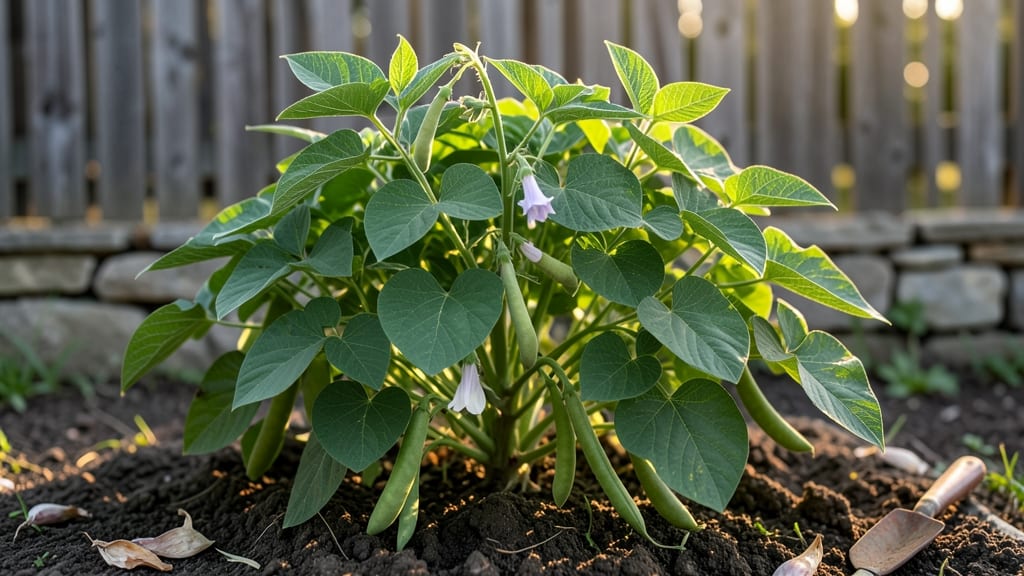
Those tiny green grasshoppers on the plants might seem like a nuisance, but they're actually nature's way of keeping pests in check—if you know how to work with them. 🌱 I've learned that these little hoppers, especially the nymphs, aren't always the villains they're made out to be, and with the right approach, you can turn them into allies rather than enemies.
First, let's talk identification: nymphs are small, wingless, and bright green, while adults are larger with wings and can jump farther. They typically chew on leaf edges, but don't panic—this is usually a sign of a larger pest problem they're helping control.
The key is monitoring their numbers; a few won't harm your plants, but an explosion of them means it's time to take action.
For natural control, introduce companion plants like catnip, basil, or marigolds—their strong scents deter grasshoppers while attracting beneficial predators. Neem oil or insecticidal soap can also help when numbers get out of hand, but only as a last resort. These methods keep your garden thriving without harsh chemicals.
Prevention starts with healthy soil and diverse plantings—grasshoppers target stressed plants. Regularly check your garden for early signs of infestation, and use row covers for delicate seedlings. With these strategies, you'll maintain a balanced ecosystem where tiny green grasshoppers become part of the solution, not the problem.
📚 In This Guide
- What you need
- Instructions
- Tips and common mistakes
- Wrapping up and next steps
What you need
- ● Host Plants: 2-3 varieties of grasshopper-attracting plants (e.g., sunflowers, marigolds, or alfalfa—known favorites!)
- ● 1-2 companion plants for your veggie garden (e.g., basil, dill, or lavender to lure grasshoppers away from crops).
- ● Potting Supplies: 1-2 small pots (6-8 inches wide) or a raised garden bed section for host plants.
- ● Potting soil (1 bag, well-draining and organic).
- ● Grasshopper Sources: Wild-caught grasshoppers (collect from non-treated areas—avoid pesticides!).
- ● OR purchase organic grasshopper eggs from reputable suppliers (e.g., Biobest or local organic farms).
- ● Basic Gardening Tools: 1 hand trowel for planting.
- ● 1 spray bottle (for misting plants lightly).
- ● 1 fine-mesh net or jar (for transporting grasshoppers safely).
- ● Monitoring Tools: 1 magnifying glass (to inspect grasshopper activity).
- ● 1 notebook to track plant health and pest patterns.
- ● Enhancements: Diatomaceous earth (food-grade, for selective pest control if needed).
- ● Companion plant seeds (e.g., nasturtiums to deter other pests).
- ○ Safety: Gloves (optional, if handling grasshoppers makes you squeamish!).
How to manage tiny green grasshoppers as natural pest control
Turn those tiny green grasshoppers into your garden's allies instead of pests.
🌿 Step 1: Identify and Confirm Their Role
First, confirm these are actually tiny green grasshoppers—not aphids or other pests. Look for their distinctive hind legs (longer than their bodies) and short antennae. Unlike aphids, they don't leave sticky residue. These little guys are voracious eaters of soft-bodied insects like caterpillars, aphids, and even spider mites—your garden's natural pest patrol.
I like to observe them for a few days to confirm their diet. Watch them jump and see what they're munching on. If they're eating only plant leaves, they're less helpful. But if they're after smaller insects, they're working for you. This step ensures you're not accidentally harming beneficial insects.
💧 Step 2: Create a Grasshopper-Friendly Habitat
Encourage them to stay by providing shelter and water. Place a shallow dish of water with pebbles in the garden bed—grasshoppers need hydration but can drown in deep water. I also add a few flat rocks or low-growing plants like clover where they can hide during the day and hunt at night.
Leave some leaf litter or mulch in shaded areas. Grasshoppers love to burrow in these spots, especially during hot afternoons. Avoid over-tidying your garden; a little mess means more grasshoppers sticking around to control pests. This simple setup turns your garden into their permanent home.
☀️ Step 3: Introduce Complementary Beneficial Insects
Boost their pest-control efficiency by inviting other natural predators. Ladybugs, lacewings, and parasitic wasps all work alongside grasshoppers. Plant nectar-rich flowers like dill, fennel, or marigolds nearby—they attract these beneficial insects and provide food for grasshoppers too.
I plant a small patch of these flowers around the perimeter of my vegetable garden. The grasshoppers and their allies create a balanced ecosystem. You'll notice fewer pests overall, and the grasshoppers will thrive with more food sources. This step maximizes their natural pest-control potential.
✂️ Step 4: Monitor and Protect Young Plants
While grasshoppers are helpful, they can still nibble on tender seedlings or young plants. Protect vulnerable plants by covering them with lightweight row covers or fine mesh until they're established. I use 1/4-inch mesh that lets light and water through but keeps grasshoppers out.
Check plants weekly for signs of damage. If you see grasshoppers feasting on leaves, gently relocate them to another part of the garden with more pests to eat. This step ensures your garden benefits from their presence without sacrificing your plants.
🪴 Step 5: Maintain Balance Year-Round
Keep the ecosystem thriving by avoiding pesticides, even organic ones. Grasshoppers are sensitive to chemicals, and their predators are too. Instead, focus on natural solutions like companion planting, crop rotation, and habitat diversity.
I also leave some "wild" areas in my garden—weeds and untended corners where grasshoppers can overwinter. This ensures their population stays strong year after year. A balanced garden means fewer pests and more natural harmony.
Tips & tricks for harnessing tiny green grasshoppers
Here's what nobody tells you about turning those pesky jumpers into your garden's secret weapon.
Observation is Key: In Step 1, when you're watching their behavior, look for their jumping patterns—true grasshoppers make powerful leaps that send them 1-2 feet high. This energetic movement is a good sign they're healthy and actively hunting. I've found that morning observations work best when they're most active and visible.
Water Station Design: For Step 2, make your water dish extra inviting by adding a few drops of honey or fruit juice to the water. Grasshoppers are attracted to sugary liquids, and this simple trick can double the number of grasshoppers using your water station. Just remember to refresh it every few days to prevent mold.
Companion Plant Strategy: When implementing Step 3, focus on planting flowers that bloom at different times throughout the season. This ensures a continuous food source for both grasshoppers and their beneficial insect allies. I've had great success with a mix of early-blooming dill, mid-season fennel, and late-season marigolds—it creates a year-round buffet.
Protective Covering Tips: For Step 4, if you're using row covers, secure them tightly at the edges to prevent grasshoppers from crawling underneath. I've seen grasshoppers squeeze through gaps as small as 1/8-inch, so double-check your setup. Also, leave some plants uncovered to give grasshoppers alternative hunting grounds nearby.
Pro Tips for Tiny Green Grasshoppers On Plants
- Here's what nobody tells you about turning those pesky jumpers into your garden's secret weapon.
- Observation is Key: In Step 1, when you're watching their behavior, look for their jumping patterns—true grasshoppers make powerful leaps that send them 1-2 feet high.
- Water Station Design: For Step 2, make your water dish extra inviting by adding a few drops of honey or fruit juice to the water.
Frequently asked questions
about tiny green grasshoppers on your plants—because even nature’s helpers need a little clarification!Are these grasshoppers harmful to my plants?
Not at all! Tiny green grasshoppers (like Phymateus morbillosus nymphs) are beneficial predators. They feast on soft-bodied pests like aphids, mites, and caterpillars—making them a natural pest control solution. Just avoid overcrowding, as too many can nibble on leaves if food is scarce.
When is the best time to introduce them to my garden?
Spring or early summer is ideal! These grasshoppers thrive in warm weather (70–85°F). Release them in the morning or evening when temperatures are mild, and pair them with companion plants like marigolds or basil to attract pests (and keep them around). Avoid introducing them in winter—they won’t survive!
What if I don’t see any pests but still want to use them?
No problem! While they prefer active pest populations, tiny green grasshoppers can still help prevent infestations. Place them near new plantings or vulnerable crops (e.g., tomatoes, peppers). If pests are scarce, they may munch on leaves—but they’ll leave quickly once prey appears.
How do I tell if they’re working or just hiding?
Look for signs of pest reduction! Check leaves for fewer aphids, spider mites, or chewed holes. Grasshoppers often rest under foliage during the day—gently lift leaves to spot them. If you see empty exoskeletons (shed skins), that’s a great sign—they’re growing and hunting!
Can I use them in containers or small gardens?
Tiny green grasshoppers work well in containers, raised beds, and small spaces. Just ensure pots are at least 12 inches deep (they jump!) and provide shady spots for them to hide. For urban gardens, release them near pest-prone plants like herbs or veggies in clusters of 5–10.
What should I do if they start eating my plants?
If grasshoppers turn too plant-happy, act fast! Remove them by hand (drop them in soapy water) or relocate them to a pest-heavy area. To deter them, try neem oil sprays (lightly) or interplant with garlic or onions—their scent confuses grasshoppers. Overcrowding is often the culprit!
Wrapping up and next steps
Encountering tiny green grasshoppers on your plants might seem like a nuisance at first, but they’re actually nature’s pest patrol!
These little helpers gobble up aphids, mites, and other garden pests—often without you lifting a finger. 🌱 Instead of reaching for chemicals, lean into their natural benefits and enhance your garden’s balance.
Ready to take the next step? Start by planting companion flowers like marigolds or basil to attract even more grasshoppers (and their allies). Observe, enjoy, and let your garden thrive—naturally!