
Planting
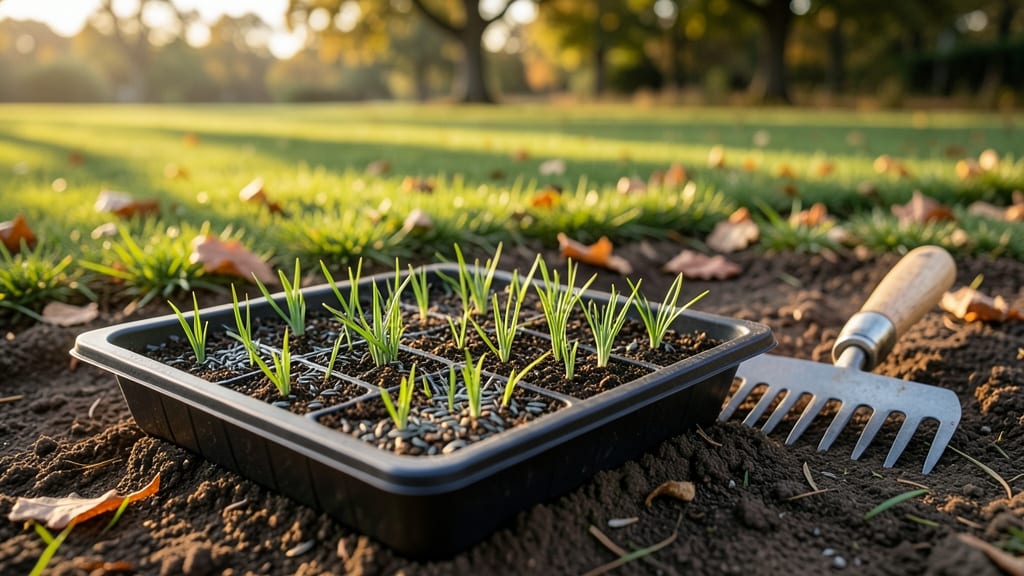
Sowing grass in October gives you a head start on next year’s lawn—cooler temps and fewer weeds mean faster root growth before winter slows things down. 🌱 I’ve seen lawns establish twice as quickly when seeded in fall compared to spring, thanks to the perfect balance of moisture and mild weather.
The key? Getting the soil ready early and choosing the right grass type for your climate.
You’ll need a rake, a spreader (or by-hand method), quality seed mix, and a light layer of straw to protect the new grass.
Most regions with cool-season grasses (like Kentucky bluegrass or fescue) benefit from October planting—just check your last frost date to aim for seeding 6-8 weeks before ground freezes. The cooler soil temperatures prevent seedling stress while encouraging deep root development.
By spring, you’ll have a dense, weed-resistant lawn that outpaces neighbors who waited until spring. The straw mulch keeps seeds moist, and the lack of summer weeds means your grass gets all the nutrients. Just avoid walking on it until roots are established—usually after 4-6 weeks of growth.
Works best in USDA zones 3-8 for cool-season grasses, but southern regions with mild winters can try it too. Just adjust timing to avoid frost. Here’s how to make it work in your yard!
📚 In This Guide
- What you need
- Instructions
- Tips and common mistakes
- Wrapping up and next steps
What you need
- ● Grass seed: Choose cool-season varieties (e.g., Kentucky bluegrass, fescue, or ryegrass) for October planting. Quantity: 8–12 lbs per 1,000 sq ft (follow seed bag instructions for exact rates).
- ● Soil test kit: Check pH (ideal: 6.0–7.0) and adjust with lime (if needed) 2–4 weeks before sowing.
- ● Lawn rake: Bow rake (for leveling) + garden rake (for seed-to-soil contact).
- ○ Broadcast spreader: Handheld or tow-behind for even seed distribution. Optional: Drop spreader for precision.
- ● Topsoil or compost: ¼–½ inch layer to improve seedbed quality (avoid heavy clay).
- ● Starter fertilizer: Low-nitrogen (5–10 lbs nitrogen/1,000 sq ft) with phosphorus for root growth.
- ● Watering tools: Hose with gentle spray nozzle (or soaker hose).
- ● Sprinkler timer (set for light, frequent watering).
- ● Ideal conditions: Soil temps 60–70°F (check afternoon temps). Avoid planting if frost is forecasted within 48 hours.
- ● Site prep: Remove debris, rocks, and weeds (use glyphosate 4–6 weeks prior if needed).
- ● Loosen soil to 2–3 inches deep (rent a core aerator for compacted lawns).
- ○ Optional (but helpful): Erosion control blanket for slopes or bare spots.
- ● Seed germination mat for early cold snaps.
How to sow grass in October for strong fall roots
Cool October days and damp soil create perfect conditions for grass to establish deep roots before winter slows growth.
🌱 Step 1: Prepare the Soil for Optimal Germination
Test your soil's pH first—ideal for grass is 6.0-7.0. If your soil is compacted, rent a tiller to loosen the top 4-6 inches and remove any debris or weeds. I like to work the soil when it's slightly damp but not wet; it should crumble easily when you squeeze it in your hand.
Spread 2-3 pounds of 10-10-10 fertilizer per 100 square feet and work it into the top 2 inches of soil. This gives seedlings a nutrient boost without burning tender roots. Rake the area smooth afterward—you want a fine, even seedbed that won't bury seeds too deeply.
💧 Step 2: Choose the Right Grass Seed and Sow Evenly
For October planting, select a cool-season grass blend like Kentucky bluegrass or fescue—these varieties thrive in fall's mild temperatures. Sprinkle seeds using a broadcast spreader set to ½ the recommended rate for your seed type. Walk in opposite directions to ensure even coverage, and don't worry about overlapping passes.
Lightly rake the seeds into the soil with a stiff-bristled rake, pressing them just enough to make contact with the earth. You want them ¼ inch deep at most—any deeper and they'll struggle to reach sunlight. I tap the rake gently to avoid disturbing the soil surface too much.
☀️ Step 3: Water Strategically for Germination
Keep the soil consistently moist but never soggy during germination, which takes 7-14 days in October's cool weather. Water lightly twice daily—once in the morning and once in the late afternoon—using a fine mist setting on your hose or sprinkler. You're aiming for ¼ inch of water per application, enough to keep the top 1 inch of soil damp.
Stop watering once you see 50% of seeds sprouting. At this point, the roots are establishing, and overwatering can suffocate them. You'll notice the new grass blades appear soft and bluish-green—this is normal and indicates healthy growth.
⏰ Step 4: Maintain and Protect New Growth
Once the grass reaches 3-4 inches tall, reduce watering to 1 inch per week to encourage deeper root growth. Avoid walking on the new lawn until the grass is 4-5 inches tall—this prevents soil compaction and root damage. I like to mark the area with stakes so I remember to avoid it.
If frost threatens before the grass is established, cover the area with 1-2 inches of straw mulch to insulate the soil. Remove the mulch as soon as temperatures rise above freezing in spring. By late fall, your grass should have a strong root system ready to burst into growth as soon as spring arrives.
Tips & tricks for perfect fall grass establishment
Fall planting gives grass a head start on deep root growth—here's how to maximize those October advantages.
Soil Prep Secret: The ideal soil texture for October planting should resemble a damp sponge—not sticky or crumbly. If your soil feels too dry, lightly water it 24 hours before tilling to help it reach that perfect workable consistency. For compacted areas, consider renting a core aerator instead of a tiller—it creates deeper holes for roots to penetrate without disturbing the soil structure as much.
Seed Selection Strategy: When choosing your cool-season blend, look for varieties labeled "fall overseeding" or "winter hardy." These seeds are bred to germinate in cooler temperatures and establish roots before winter dormancy. I've found that mixes containing 60-70% fescue provide the best balance of cold tolerance and spring green-up. Always check the seed packet for specific October planting recommendations.
Watering Watch: During those 7-14 days of germination, use a simple test to check moisture levels: Gently press your finger about 1 inch into the soil. If it feels dry, it's time to water. The twice-daily watering schedule works best when done at the same times each day—this creates consistency that young roots need. Consider using a soaker hose to deliver water directly to the soil surface without disturbing the seeds.
Frost Protection Hack: If frost is forecasted before your grass reaches 4-5 inches, don't wait until the last minute to apply straw mulch. Spread it when nighttime temperatures drop below 40°F—this gives you a buffer period. For extra protection, lay a thin layer of frost cloth over the straw mulch. Remove both covers as soon as daytime temperatures consistently stay above freezing in spring to prevent mold growth.
Pro Tips for Sowing Grass In October
- Fall planting gives grass a head start on deep root growth—here's how to maximize those October advantages.
- Soil Prep Secret: The ideal soil texture for October planting should resemble a damp sponge—not sticky or crumbly.
- Seed Selection Strategy: When choosing your cool-season blend, look for varieties labeled "fall overseeding" or "winter hardy."
Frequently asked questions
Got questions about sowing grass in October? You’re not alone—timing, prep, and troubleshooting can feel tricky! Here’s what you need to know to tackle this task with confidence.
Can I sow grass in October if my soil is still warm?
Yes! October is ideal for cool-season grasses like fescue or ryegrass when soil temps are between 50–65°F (10–18°C). Warm soil speeds up germination, but avoid sowing if frost is forecasted within 5–7 days. Test soil moisture too—it should be damp but not soggy to prevent seed rot.
How long does grass take to germinate in October?
Germination depends on grass type and conditions. Cool-season grasses typically sprout in 7–21 days when sown in October. Keep soil consistently moist (not waterlogged) and mulch lightly with straw to retain warmth. Avoid heavy foot traffic until blades are 2–3 inches tall.
What if October gets too cold or rainy?
If frost threatens, delay sowing until spring. For rain delays, wait until soil is workable (not muddy). Use a seed starter fertilizer to boost early growth. If rain washes seeds away, reseed thinly—just ½ the recommended rate—and press gently into soil. A protective netting can shield seeds from heavy downpours.
Can I overseed existing grass in October?
October is perfect for overseeding thin lawns. Mow short (1–1.5 inches), aerate, and spread seed evenly. Use a starter fertilizer (high in phosphorus) to encourage root growth. Water lightly daily to keep seeds moist until germination. Avoid overseeding if your lawn has broadleaf weeds—tackle those first with pre-emergent herbicide.
Do I need special equipment for October sowing?
Not necessarily! A broadcast spreader or hand-crank seeder works well for small areas. Rent a core aerator if your soil is compacted (October’s cooler temps make it easier to work). For slopes, use a slit seeder to prevent erosion. Skip heavy machinery—light prep is key to avoid disturbing seeds.
Wrapping up and next steps
Sowing grass in October is a smart move—cool temperatures and shorter days create the perfect conditions for fast root growth before winter sets in. With the right seed variety, soil prep, and a little patience, you’ll be rewarded with a lush, resilient lawn come spring.
Don’t let hesitation slow you down—grab your tools, follow the steps, and watch your lawn thrive!
Ready to take the next step? Check out our guide on post-planting care to keep your new grass healthy and strong all season long. 🌱✨