
Pests
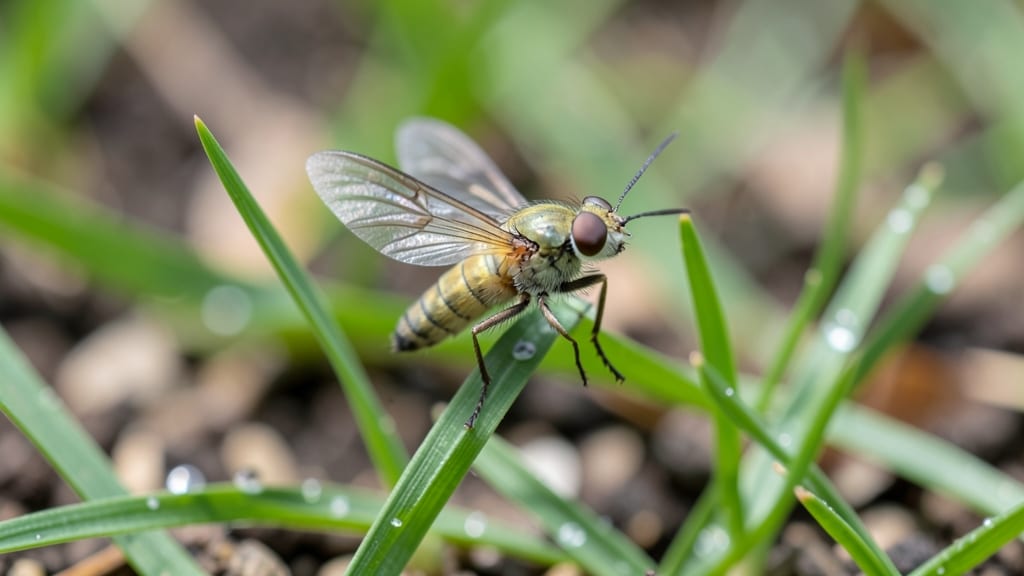
Those tiny swarms of small flying bugs in the lawn aren't just annoying—they're fungus gnats or midges, and they multiply fast. 🌱 I've watched them turn a peaceful lawn into a buzzing mess, but I've also learned how to trap them in hours without harsh sprays.
The key is understanding their life cycle: they thrive in moist soil and decaying organic matter. Most people overreact with pesticides, but these bugs are harmless to plants and people—just a nuisance.
A simple DIY trap with a shallow dish of soapy water and a splash of vinegar does the job in 24-48 hours. By evening, you'll see the swarms shrink dramatically. The traps work because they drown the adults before they lay more eggs, breaking the cycle.
Plus, you avoid chemicals that might harm beneficial insects or pollinators. This method works year-round, but peak season is spring and early summer when soil stays damp. Even my black thumb can't mess this up—just refill the traps every few days until the problem disappears.
The Hidden Triggers Behind Tiny Winged Visitors
Those tiny, buzzing intruders darting across your lawn aren’t just random visitors—they’re drawn by specific conditions that turn your yard into an all-you-can-eat buffet. Understanding why these small flying bugs (like fungus gnats, fruit flies, or even midges) invade helps you tackle the root cause, not just the symptoms.
Let’s break down the science-backed reasons behind their uninvited house parties.
If your lawn feels like a swamp after a rain shower, you’ve created the perfect nursery for moisture-loving bugs. Fungus gnats, for example, thrive in damp, organic-rich soil where their larvae feast on decaying plant matter. Why?
- Excess water slows soil drainage, creating anaerobic zones where fungal growth explodes—fungus gnats’ favorite snack. 🍄
- Thatch buildup (a layer of dead grass and roots) traps moisture, turning your lawn into a larval hotel.
- Poor drainage in clay-heavy soils keeps water pooled, extending the bugs’ breeding season.
Actionable fix: Test your soil’s moisture with a trowel—if it stays soggy 24 hours after watering, you’re overdoing it. Aim for 1 inch of water per week (including rain) and aerate compacted areas to improve airflow.
Fruit flies, drain flies, and even some midges are opportunistic feeders. If your lawn has hidden treasure troves of rotting fruit, fallen leaves, or compost piles, these bugs will swarm like vultures. Why?
- Fruit flies (like Drosophila) are drawn to fermenting sugars in overripe fruit or mulch.
- Drain flies (sewer gnats) breed in moist, decomposing organic matter, such as leaf litter or thatch.
- Mushrooms & fungi attract fungus gnats, whose adults lay eggs in spore-rich soil.
Actionable fix:
- Rake up fallen fruit, leaves, and debris weekly—especially near trees or garden beds.
- Use straw mulch instead of wood chips (which break down faster and attract flies).
- Remove mushrooms and fungal growths—toss them in a sealed bag before composting.
Stagnant water isn’t just a nuisance—it’s a breeding ground for midges, mosquitoes, and even fungus gnats. These bugs lay eggs in water, and their larvae hatch in as little as 24 hours. Why?
- Midge larvae thrive in shallow, warm water with organic debris (like algae or dead insects).
- Mosquitoes prefer still water, where their larvae can’t escape predators.
- Fungus gnats may also breed in waterlogged soil near drainage issues.
Actionable fix:
- Empty bird baths, gutters, and clogged drains weekly—even a teacup-sized puddle can hatch 100+ midges.
- Add mosquito dunks (Bti bacteria) to ponds or fountains to kill larvae naturally.
- Install French drains or sand to fix low spots where water pools.
Too much nitrogen or synthetic fertilizers can disrupt your lawn’s ecosystem, creating conditions that attract pests. Why?
- Excess nitrogen promotes lush, soft grass—but also fungal growth, which fungus gnats love.
- Chemical imbalances (e.g., high phosphorus) can weaken grass roots, making it easier for pests to invade.
- Over-fertilized soil can also burn beneficial microbes, reducing natural pest control.
Actionable fix:
- Switch to slow-release, organic fertilizers (like compost or fish emulsion) to avoid spikes in nitrogen.
- Test your soil’s pH—aim for 6.0–7.0 for most grasses. Adjust with lime (to raise pH) or sulfur (to lower it).
- Apply beneficial nematodes (like Steinernema feltiae) to target fungal-feeding larvae naturally.
Dense shade and high humidity create the perfect microclimate for moisture-loving bugs. Why?
- Shady areas stay cooler and damper, slowing evaporation and extending breeding seasons for gnats and flies.
- Humidity-loving species (like fungus gnats) thrive in 70%+ humidity, common under thick canopies or mulch.
- Mold & mildew flourish in shaded, damp spots, attracting adult bugs seeking food.
Actionable fix:
- Thin out overgrown shrubs or trees to improve airflow—aim for 6–8 hours of sunlight for most lawns.
- Use gravel or permeable pavers in shady spots to reduce moisture retention.
- Apply baking soda or copper fungicides to prevent mold growth on leaves and grass.
Quick Fixes for Tiny Flying Pests
If your lawn has become a hotspot for small flying bugs—like gnats, fungus gnats, or even midges—don’t panic! These pests are usually a sign of excess moisture, organic buildup, or overwatering, and fixing the root cause is easier than you think.
Below, we’ve broken down the most effective solutions based on the likely cause of your infestation, along with simple prevention tips to keep your lawn pest-free long-term.
---
If your lawn stays soggy for long periods, fungus gnats and other moisture-loving bugs will thrive. Here’s how to dry it out fast:
- 🍳 Reduce Watering Immediately Cut back on watering to let the soil dry between sessions. Aim for deep, infrequent watering (1–1.5 inches per week) instead of daily light sprinkles.
- 👨🍳 Improve Drainage Aerate compacted soil with a garden fork or rent a core aerator to help water drain faster. For clay-heavy lawns, mix in sand or compost to improve texture.
- ⏰ Wait Before Rewatering Only water again when the top 1–2 inches of soil feel dry to the touch. A moisture meter can help track progress.
💡 Pro Tip: If your lawn has poor drainage, consider installing French drains or grading the yard to slope away from foundations.
---
A thick layer of grass clippings, leaves, or thatch creates the perfect breeding ground for flying pests. Here’s how to remove it safely:
- 🔪 Rake or Dethatch Use a lawn rake or dethatching tool to pull up excess thatch (more than ½ inch thick). Focus on shaded or damp areas where pests hide.
- 🥘 Remove Debris Promptly Clear away fallen leaves, grass clippings, and weeds weekly to starve pests of food and shelter. A leaf blower makes this job faster.
- 🌡️ Sunlight Is Your Ally Thin out dense grass in shady spots to let sunlight dry out the soil. Consider overseeding with sun-loving grasses like Bermuda or Zoysia.
✨ Prevention Hack: Spread a thin layer of dry sand or diatomaceous earth (food-grade only) over moist areas to deter egg-laying.
---
Too much nitrogen or organic matter (like compost) can attract fungus gnats and other pests. Balance your lawn care with these steps:
- 📊 Test Your Soil First Use a DIY soil test kit to check pH and nutrient levels. If nitrogen is high, switch to a slow-release, balanced fertilizer (like 10-10-10).
- 💪 Skip the Compost Pile Nearby Move compost bins at least 20 feet away from your lawn to prevent gnats from migrating.
- 🍎 Use Beneficial Nematodes These microscopic worms (Steinernema feltiae) naturally kill gnat larvae. Apply them after watering for best results (available at garden centers).
🎯 Long-Term Fix: Rotate between synthetic and organic fertilizers to avoid overfeeding. A fall application of lime can also help balance soil pH.
---
If you need fast relief, set up these DIY traps to catch adult bugs before they reproduce:
| Trap Type | How to Make It | Where to Place | |---------------------|--------------------------------------------|-----------------------------| | Apple Cider Vinegar Trap | Mix ½ cup vinegar + 1 tsp dish soap in a jar.
Cover with plastic wrap, poke holes. | Shady, damp areas | | Yellow Sticky Traps | Hang yellow cards coated with petroleum jelly. | Near pest hotspots | | Fan Trap | Place a bowl of soapy water near a fan.
Bugs fly into it! | Patio or lawn edge |
🔥 Quick Kill: For severe cases, neem oil spray (mix 1 tbsp neem oil + 1 tsp soap per gallon of water) repels gnats on contact.
--- Keep flying pests from returning with these easy maintenance habits: - ✅ Mow high (3–4 inches) to reduce thatch buildup. - ✅ Water early morning (before 10 AM) to let soil dry faster. - ✅ Avoid heavy foot traffic on damp grass to prevent compaction. - ✅ Use mulch sparingly near lawn edges to reduce organic buildup. - ✅ Inspect irrigation systems for leaks or overwatering zones.
--- By tackling the root cause—whether it’s moisture, debris, or fertilizer—you’ll see a noticeable drop in flying bugs within 1–2 weeks. For stubborn infestations, combine traps + soil drying + cultural fixes for the fastest results. Your lawn will thank you!
Frequently asked questions
Are these small flying bugs actually harmful to my lawn or plants?
Most common lawn pests like fungus gnats and midges are harmless to plants—they don't bite humans either. However, their larvae can damage roots if populations explode. The real issue is their annoying swarms and potential to spread fungal spores in overly moist conditions. Focus on reducing moisture and debris to keep them in check.
Why do these bugs seem worse in the morning or after rain?
These tiny fliers are most active when humidity is high—typically morning hours or after rainfall. The damp conditions trigger their mating and feeding behaviors. If you notice them swarming after watering, you're likely overdoing it. Let soil dry between waterings to break their cycle.
Will yellow sticky traps actually work, or are they just a temporary fix?
Yellow sticky traps are effective for monitoring and short-term reduction (1-2 weeks), but they won't solve the root problem. For long-term control, combine traps with soil drying and debris removal. Place traps near problem areas to gauge progress—if you're still catching hundreds daily after 10 days, you need to address moisture or organic buildup.
Can I use vinegar traps indoors if these bugs keep flying inside?
Yes! Mix ½ cup apple cider vinegar + 1 tsp dish soap in a jar, cover with plastic wrap (poke small holes), and place near windows or doors. The vinegar attracts them while the soap drowns them. For severe indoor invasions, also check houseplants—overwatered soil can attract fungus gnats that migrate inside.
How long until I see results from changing my watering habits?
With proper adjustments, you should notice fewer adults within 3-5 days and significantly reduced populations in 2 weeks. The key is consistency: water deeply but infrequently (1-1.5 inches per week) and let the top 2 inches of soil dry between sessions. Patience is crucial—larvae take time to die off without moisture.