
Lawn
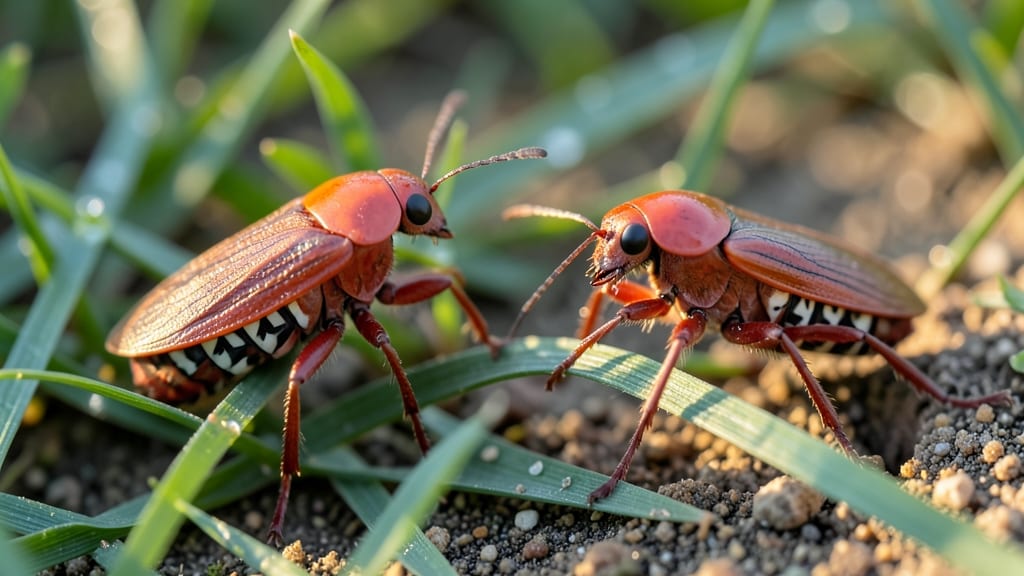
Red lawn bugs are turning your grass into a patchwork of brown—those tiny red invaders suck the life out of blades faster than you can say "lawn care." 🌱 I've battled them for years, and this non-toxic bait trap method finally stopped the damage in its tracks without harsh chemicals.
The first sign? Small, irregular brown patches that spread like wildfire, especially in hot, dry weather. Look for red insects (about 1/8-inch long) hiding at the base of grass blades—they thrive in thick turf where air can't circulate. Without intervention, they'll kill your lawn in weeks.
This trap uses simple household items (no poisons!) to lure and drown them. Within 3-5 days, you'll see fewer bugs crawling around, and new grass growth will start filling those dead spots. The key is consistency—check traps daily and reapply when needed.
Works for chinch bugs, sod webworms, and other red lawn pests. No more mystery brown patches—just healthy grass. Let's get those bugs trapped for good!
The Hidden Triggers Behind Red Lawn Invaders
If your lawn has turned into a crimson carpet of tiny invaders, you’re not alone—these vibrant critters often show up for a reason. Understanding why they’re there is the first step to outsmarting them.
Below, we break down the science-backed causes behind their sudden appearance, so you can address the root problem and keep your yard healthy.
Red lawn bugs, like many insects, thrive in moist, damp environments. If your lawn retains too much water—whether from overwatering, clay soil, or poor drainage—you’re creating the perfect breeding ground. These pests love hiding in cool, shaded spots where moisture lingers, especially after rain or excessive irrigation.
Why it happens:
- Excess moisture softens soil, making it easier for eggs to hatch and larvae to burrow.
- Fungal growth in soggy grass attracts red lawn bugs, as they feed on decaying organic matter.
- Compacted soil (often from foot traffic or heavy equipment) traps water, worsening the issue.
Actionable fix: Test your soil’s drainage, aerate compacted areas, and adjust your watering schedule to early morning only—never late in the day. Aim for 1 inch of water per week, including rainfall.
Thatch—a layer of dead grass, roots, and debris—acts like a cozy hideout for red lawn bugs. Thick thatch (over ½ inch) traps moisture, blocks sunlight, and provides shelter. Meanwhile, fallen leaves, grass clippings, and mulch piles create ideal nesting spots, especially in shady or damp areas.
Why it happens:
- Lack of mowing or poor bagging of clippings lets organic matter pile up.
- Over-fertilizing can promote excessive grass growth, leading to more thatch.
- Shady lawns slow decomposition, leaving debris to accumulate.
Actionable fix: Dethatch your lawn in spring or early fall using a rake or dethatching machine. Remove leaf litter and mulch piles, and mow regularly to prevent buildup. Pro tip: 💡 Use a sharp mower blade to avoid tearing grass, which worsens thatch.
Red lawn bugs are opportunistic feeders—they target lawns already struggling from disease, pests, or nutrient deficiencies. Weak grass can’t fight off infestations, making it easier for these bugs to take over. Look for signs like yellowing patches, thin spots, or slow recovery after foot traffic.
Why it happens:
- Nutrient deficiencies (lack of nitrogen, potassium, or iron) weaken grass roots.
- Disease or fungus (like brown patch or dollar spot) creates entry points for bugs.
- Improper mowing height (cutting too short) stresses grass, making it vulnerable.
Actionable fix: Test your soil and apply a balanced fertilizer (look for NPK ratios like 16-4-8). Overseed bare spots in early fall, and mow at the highest recommended height for your grass type (usually 3–4 inches). Pro tip: ✨ Water deeply but infrequently to encourage deep root growth.
Red lawn bugs often migrate from wild areas, gardens, or wooded edges where their natural food sources (like decaying leaves, roots, or weeds) are abundant. If your lawn borders a forest, flower bed, or compost pile, you’re at higher risk for an infestation.
Why it happens:
- Natural habitats provide food and shelter, so bugs move to lawns when conditions are right.
- Weeds and clover attract bugs with their moisture-retaining roots.
- Lack of barriers (like gravel or mulch borders) makes migration easy.
Actionable fix: Create a 3–6 inch mulch or gravel border around your lawn’s perimeter to deter bugs. Remove weeds and tall grass near wooded areas, and consider pruning back overhanging branches to reduce shade and humidity.
Now that you know why these red lawn pests show up, you can tackle the underlying issues—before they become a full-blown infestation. Stay tuned for our next section on how to lure and trap them with non-toxic bait!
Natural Ways to Trap and Eliminate Them
Now that you understand why these tiny red invaders appear, it’s time to tackle them effectively—without harsh chemicals that harm your lawn or pets. Below are targeted solutions based on the most common causes, along with prevention tips to keep your yard healthy long-term.
---
Problem: Overwatered grass, mulch piles, or leaf litter create the perfect breeding ground.
Fix: - 🍳 Reduce Watering: Water deeply 2-3 times per week (early morning) instead of daily shallow sessions. Aim for 1–1.5 inches per week—less moisture means fewer bugs. - 👨🍳 Clear Debris: Rake up fallen leaves, mulch, and grass clippings from shaded areas. Store wood piles at least 20 feet away from your home. - 🥘 Improve Drainage: If your yard stays soggy, amend soil with compost or sand to help water drain faster. Consider a French drain in problem spots.
💡 Pro Tip: Use a soil moisture meter ($10–$15) to check dampness before watering—overdoing it is a top bug magnet!
---
Problem: Red lawn bugs (like chinch bugs or harlequin bugs) suck sap from grass and garden plants, weakening them.
Fix: - 🔪 Handpick Early: Check for tiny red bugs on blades of grass or under leaves. Drop them in soapy water (1 tbsp dish soap + 1 gallon water) to kill them instantly. - 🌱 Strengthen Your Lawn: Overseed thin patches with drought-resistant grass (like tall fescue or Bermuda). Healthy grass repels pests naturally. - 🎯 Use a DIY Bait Trap: - Mix 1 part corn syrup + 3 parts water in a shallow dish. - Place traps near infested areas—bugs are drawn in and drown. - Refresh every 2–3 days for best results.
✨ Prevention: Plant bug-repelling companions like marigolds, catnip, or mint around your lawn’s edge.
---
Problem: They sneak indoors through cracks, windows, or on firewood, often appearing in kitchens or basements.
Fix: - 🚪 Seal Entry Points: Inspect your home’s foundation for gaps. Use caulk or weatherstripping on doors/windows. Install fine mesh screens on vents. - 🧹 Deep Clean: Vacuum baseboards, under appliances, and along walls—bugs hide in dark crevices. - 🔥 Eliminate Outdoor Food Sources: Store pet food, compost, and trash in airtight containers. Avoid leaving fruit or spills outside.
🌡️ Heat Trap Method (Works in Warm Months): - Place a bright lamp or blacklight near a window at night. - Bugs gather on the glass—spray them with soapy water in the morning.
---
Want to stop them before they start? Follow this monthly maintenance routine:
| Task | When to Do It | How to Do It | |-------------------------|-------------------------|-------------------------------------------| | Mow high | Every 1–2 weeks | Set lawnmower to 3–4 inches for grass. | | Aerate soil | Early fall or spring | Rent a core aerator to reduce compaction. | | Test soil pH | Once a year | Ideal pH: 6.0–7.0 (use a home kit). | | Rotate mulch | Every 6 months | Refresh mulch to prevent mold/bug buildup.| | Inspect plants | Weekly | Look for wilting or discolored leaves. |
--- Final Thought: These bugs are annoying but manageable—focus on removing their food/water sources and disrupting their life cycle. With consistent effort, your lawn will stay lush and pest-free! 🌱💪
Frequently asked questions
What are the most common types of red lawn bugs?
The most likely culprits are chinch bugs (tiny, red-black bugs) and harlequin bugs, both of which suck sap from grass blades. Chinch bugs create small brown patches that spread quickly, while harlequin bugs often appear in gardens first before moving to lawns. Look for them at the base of grass blades during hot, dry weather.
How do I know if my lawn damage is from red bugs or drought?
Check for tiny red insects (about 1/8-inch long) at the base of grass blades—they’re often hidden! Drought damage usually starts at the tips of blades and spreads evenly, while bug damage creates irregular patches that often have yellow halos. Pull up a small section of turf to see if roots are white (drought) or healthy but bugs are present.
Will my neighbor's lawn treatment affect my yard?
Yes! Chemical treatments can drift or wash into your lawn, harming beneficial insects and pets. If your neighbor uses pesticides, ask them to apply it on a calm day and avoid windy conditions. For extra protection, create a 3-foot buffer zone with mulch or gravel along your property line to block drift.
How long does it take to see results from bait traps?
With consistent use, you should notice fewer bugs within 3-5 days and see improved grass growth in 2-3 weeks. The key is daily checks—empty traps every 2-3 days and refresh the bait. For severe infestations, combine traps with soil aeration to break their life cycle faster.
Are red lawn bugs harmful to pets or children?
While they don’t carry diseases, their bites can cause mild irritation (like tiny pinpricks) in pets or sensitive skin. Most pets ignore them, but if your dog rolls in infested areas, wash their paws with soapy water to remove any lingering bugs. Children playing on treated lawns should avoid mouthing grass or putting hands near their faces until the area is clear.