
Pests and Diseases
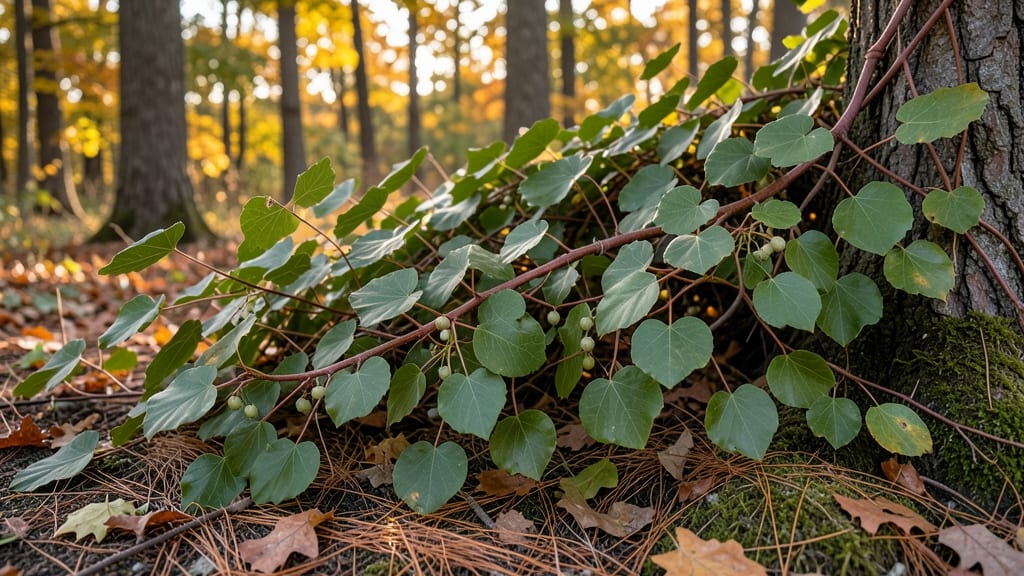
Poison ivy growing in your lawn isn't just an eyesore—it's a sneaky invader that spreads fast and causes misery. 🌿 I've wrestled with it enough to know the fastest way to stop it before it takes over completely, and it starts with smart identification and removal.
The problem often begins when vines creep in from edges or nearby wooded areas, hiding until they've established roots. Most people wait too long, thinking it's just another weed, but poison ivy thrives in lawns because it loves shade and moisture.
The key is acting before those telltale three-leaf clusters dominate your yard.
With the right approach, you can eliminate it in 3 focused steps—no more than a weekend's work—while protecting your skin and lawn. We're talking about visible results in 2-3 weeks, not years of struggling with regrowth. The secret? Targeting the roots and preventing those airborne seeds from spreading.
Whether you're dealing with a small patch or a full-blown invasion, these methods work for any lawn size. We'll cover everything from natural vine-pulling techniques to chemical solutions that actually work—plus how to keep it from coming back. Let's reclaim your yard!
How Poison Ivy Invades Lawns
Poison ivy doesn’t just appear overnight—it’s a sneaky intruder that thrives in the right conditions. Understanding why it takes root in your lawn is the first step to stopping it.
Below, we break down the key reasons poison ivy spreads like wildfire in grassy areas, backed by science and actionable insights.
---
Poison ivy loves bare spots, thin grass, and disturbed soil because these areas offer easy access to sunlight and nutrients. Here’s why it happens:
- Thin or Patchy Grass: When grass is weak—due to drought, poor soil, or heavy foot traffic—poison ivy slips in like a weed.
Its vines spread quickly in gaps where grass struggles to grow back. - Compacted Soil: Heavy machinery, pets, or even high foot traffic can compress soil, reducing oxygen and nutrient flow.
Poison ivy roots thrive in these low-competition zones because grass can’t recover fast enough. - Construction or Renovation: Digging, grading, or installing new landscaping disrupts the soil, creating perfect entry points for poison ivy seeds or runners.
💡 Pro Tip: Aerate compacted soil in spring or fall to loosen it up. Overseed bare patches with a dense, competitive grass variety (like tall fescue or Kentucky bluegrass) to starve out poison ivy before it starts.
---
Poison ivy is a light lover—but it’s also a shade opportunist. Its adaptability is why it pops up in lawns with mixed lighting.
- Sunny Lawns with Shady Edges: Poison ivy often starts along fences, tree lines, or under decks where shade meets sun.
These transition zones provide moisture (from shade) and sunlight (for growth). - Overgrown Trees or Shrubs: When trees block sunlight, grass thins out, and poison ivy takes over.
Its vines climb trees, then drop leaves or seeds into the lawn below. - Newly Cleared Areas: After removing trees or large plants, sunlight hits the ground for the first time in years—poison ivy seizes the moment to colonize.
✨ Solution: Trim overhanging branches to reduce shade spots. If your lawn has persistent bare patches, consider shade-tolerant ground covers (like clover) to outcompete poison ivy naturally.
---
Poison ivy thrives in moist but well-drained soil—a Goldilocks zone many lawns accidentally create.
- Overwatering: Excess water washes away nutrients, weakening grass roots while keeping the soil damp—ideal for poison ivy. Its roots absorb moisture efficiently, even in slightly soggy conditions. - Low-Lying Areas: Poison ivy often invades dips, slopes, or areas near downspouts where water pools.
Stagnant moisture creates the perfect breeding ground. - Clay or Heavy Soil: If your lawn has slow-draining clay, water sits longer, giving poison ivy a head start before grass can recover.
🔥 Fix It: Improve drainage with sand or organic matter (like compost). Water deeply but less frequently to encourage deep grass roots that outcompete weeds.
---
Poison ivy doesn’t just sprout from seeds—it spreads aggressively through vines, leaves, and even animal activity.
- Vine Runners: A single poison ivy plant can send out long, creeping stems (runners) that root at nodes, creating new plants every few feet.
If it’s growing in a border or hedge, it’s likely invading your lawn. - Wind-Dispersed Seeds: Leaves and seeds can hitch rides on wind, pets, or tools, landing in your lawn and germinating within weeks. - Wildlife Helpers: Birds, squirrels, and even mowing equipment can unwittingly spread poison ivy fragments.
A single leaf stuck to a lawnmower blade can drop seeds into fresh grass clippings.
🎯 Prevention: Inspect property edges, fences, and woodpiles for poison ivy. Remove it early before it spreads—even a small patch can become a lawn takeover in a season.
--- Sometimes, what’s missing in your lawn is what’s helping poison ivy win.
- Lack of Nitrogen: Weak grass from nitrogen deficiency can’t outcompete poison ivy. A balanced fertilizer (high in nitrogen) helps grass grow thick and fast. - pH Imbalances: Poison ivy prefers slightly acidic to neutral soil (pH 6.0–7.0).
If your lawn is too alkaline (high pH), grass struggles, but poison ivy doesn’t. - Herbicide Residue: Some broadleaf herbicides can kill grass but leave soil open for poison ivy to move in. Always follow up with grass seed or pre-emergent treatments.
🌡️ Test & Adjust: Get a soil test to check pH and nutrient levels. Amend soil with sulfur (to lower pH) or lime (to raise it) as needed.
--- Believe it or not, common lawn care mistakes can invite poison ivy.
- Mowing Too Short: Cutting grass too low weakens roots, making it vulnerable to invaders. Poison ivy thrives in short, stressed grass. - Ignoring Leaf Litter: Fallen leaves (even from poison ivy) can smother grass and drop seeds.
Rake up debris regularly. - Using Contaminated Tools: Mowers, trimmers, and rakes can carry poison ivy fragments from one area to another. Clean tools with bleach or soap after use.
⏰ Quick Fix: Mow at 3–4 inches tall to crowd out weeds. Always disinfect tools after working near poison ivy.
Kick Out Unwanted Growth Fast
Now that you know why poison ivy sneaks into your lawn, it’s time to take action! The good news? With the right approach, you can eliminate it effectively while keeping your yard safe and healthy.
Below, we’ve mapped out practical, step-by-step solutions based on the most common causes—plus prevention tips to stop it from coming back.
---
Fix: Deep Digging + Smothering Poison ivy thrives when its roots or rhizomes (underground stems) spread unchecked. Here’s how to cut it off at the source:
1. 🔪 Dig Deep (12+ Inches) - Use a shovel or garden fork to expose and remove all roots and rhizomes. - Look for white, stringy roots—these are the culprits.
Even a tiny fragment can regrow! - Pro Tip: Wear thick gloves and long sleeves—poison ivy oil can linger on tools for weeks! Clean them with rubbing alcohol afterward.
2. 🌱 Smother the Area - After removal, cover the spot with thick cardboard or landscape fabric, then top with 3+ inches of mulch or wood chips. - This blocks sunlight, starving any remaining roots of energy. - Alternative: Plant dense ground covers like clover or creeping thyme to outcompete regrowth.
3. 💧 Monitor & Repeat - Check the area monthly for new sprouts. If you see any, dig again—don’t let it take hold!
---
Fix: Barrier Control + Manual Removal When poison ivy climbs structures, it drops seeds or spreads via vine fragments. Stop it before it invades your lawn:
1. 🛡️ Create a Physical Barrier - Install metal edging or landscape fabric around trees/fences to block vine creep. - For fences, wrap them in hardware cloth (small mesh) to prevent vines from latching on.
2. 👨🍳 Pull or Cut (Then Bag It!) - Pull vines manually (wear gloves!) or cut them at the base with pruners or a weed whacker. - Bag the clippings immediately—do not compost them!
Poison ivy can release oils that contaminate soil. - Pro Tip: Spray vines with a 1:1 vinegar-water mix before pulling to weaken them.
3. 🌡️ Solarize the Soil (For Stubborn Patches) - If roots persist, cover the area with clear plastic for 6+ weeks in hot sun. The heat kills roots without chemicals. - Best for small, contained patches—not ideal for large lawns.
---
Fix: Proper Lawn Maintenance Mowers can toss poison ivy seeds or fragments across your yard. Break the cycle with these habits:
1. ⏰ Mow Early & Often - Cut grass before poison ivy seeds mature (usually late spring to early summer). - Bag clippings and dispose of them in sealed trash bags—never leave them on the lawn.
2. 🌿 Overseed & Strengthen Grass - A thick, healthy lawn outcompetes weeds and ivy. Aerate, fertilize, and overseed with fast-growing grasses like Kentucky bluegrass or tall fescue. - Pro Tip: Test your soil first—poison ivy loves poor, compacted soil. Amend with compost to improve it.
3. 🎯 Spot-Treat New Sprouts - If you catch small patches, use a natural herbicide like: - Boiling water (pour directly on leaves—works best in sunny weather). - Salt spray (1 gallon water + 2 cups salt—test on a small area first to avoid damaging grass). - Avoid glyphosate near desired plants—it’s non-selective and can harm your lawn.
---
Once you’ve removed poison ivy, lock it out with these long-term strategies:
- 🌡️ Mulch Heavily – Apply 4+ inches of mulch (wood chips or straw) around garden beds to block light and prevent regrowth. - 🚫 Avoid Over-Trimming Trees – Dense foliage shades out weeds, including poison ivy. - 🔍 Inspect Regularly – Check your yard weekly in spring/summer. Early removal = easier removal! - 🛒 Use Poison Ivy-Resistant Plants – Replace invasive areas with native ground covers like: - Clover (crowds out weeds) - Creeping Charlie (shades soil) - Sedum or Ice Plant (drought-tolerant and tough) - 🧴 Keep Tools Clean – Wash mowers, rakes, and shovels with soapy water after use to avoid spreading oils.
--- Final Reminder: Poison ivy is persistent but beatable—consistency is key! With these methods, you’ll reclaim your lawn and keep it ivy-free for seasons to come. 🚀
Frequently asked questions
How can I tell if those green vines in my lawn are really poison ivy?
Look for the classic "leaves of three, let it be" rule—poison ivy has three shiny, pointed leaves on each stem. The leaves grow in an alternating pattern along the vine, and the edges may have jagged teeth. If you see small white berries later in the season, that's another red flag. Always wear gloves when inspecting!
Will my dog get poison ivy if they walk through the affected area?
Dogs can't get poison ivy from walking through it, but the oils can stick to their fur and transfer to your skin when they're petted. Always wash your hands after petting your dog if they've been near poison ivy. For extra safety, give your pet a bath with mild soap after outdoor play in potentially contaminated areas.
How long does it take for poison ivy to regrow after removal?
If you've removed the roots completely, you shouldn't see new growth in 2-4 weeks. However, even tiny root fragments can regrow, so check the area regularly. For stubborn cases, smother the soil with thick mulch or landscape fabric to prevent regrowth for up to 6 months.
Can I use regular vinegar to kill poison ivy in my lawn?
Plain vinegar works best as a spot treatment for small patches, but it's not strong enough to kill established roots. For better results, use a 1:1 vinegar-water mix with 1 tablespoon of dish soap—this helps the solution stick to the leaves. Apply on sunny days when the plants are dry, and reapply every 3-5 days for 2 weeks.
What's the safest way to dispose of poison ivy plants after removal?
Never burn poison ivy or compost it—the oils can release into the air and contaminate your soil. Instead, double-bag the plants in heavy-duty trash bags, seal them tightly, and dispose of them in your outdoor trash bin. Wear gloves when handling and wash your hands thoroughly afterward.