
Flowers
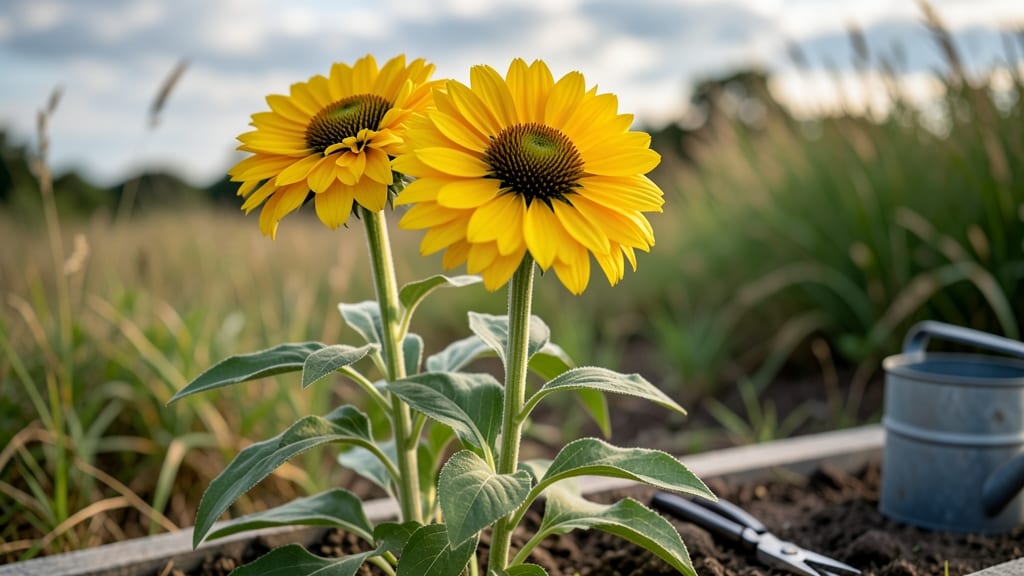
Yellow-flowering perennial grasses like Miscanthus and Carex turn gardens into golden sunsets year-round. 🌿 I fell for their swaying plumes and easy care after my first drought year—these plants thrived when everything else struggled. The right varieties add movement, texture, and pollinator support without demanding constant attention.
Think beyond "just grass"—these plants offer seasonal interest from early spring growth to winter seed heads. 'Zebrinus' Miscanthus sports golden stripes, while Carex 'Testacea' glows coppery-orange in cold weather. Pair them with coneflowers or black-eyed Susans for a wildflower-meets-ornamental-grass look that never fades.
Low-maintenance doesn't mean boring. These grasses need minimal pruning (just a late-winter trim) and well-drained soil—no fancy amendments required. Plant in masses for drama or single specimens to anchor borders. The golden blooms attract bees and butterflies while keeping deer from nibbling.
For best results, group with other drought-tolerant perennials like sedum or lavender. In shadier spots, Hakonechloa varieties add delicate yellow-green fronds. The key? Let them grow naturally—no need to fuss. Your garden will reward you with year-round color and movement.
📚 In This Guide
- What you need
- Instructions
- Tips and common mistakes
- Wrapping up and next steps
What you need
- ● Perennial grass with yellow flowers: Seeds (1–2 oz per 100 sq ft) – e.g., blank">Little Bluestem (Schizachyrium scoparium), blank">Prairie Dropseed (Sporobolus heterolepis), or Feather Reed Grass (Calamagrostis acutiflora ‘Karl Foerster’)
- ● OR Nursery-grown plants (1–3 per 10 sq ft, depending on variety)
- ● Well-draining soil: Amend heavy clay with compost (1–2 bags per 10 sq ft) or sand (5–10 lbs per 10 sq ft) if needed.
- ● Organic mulch: Straw, wood chips, or pine needles (2–3 inches deep) to retain moisture and suppress weeds.
- ● Gardening tools: Trowel or hand shovel
- ● Garden fork (for loosening soil)
- ● Pruners (for trimming mature plants)
- ● Measuring tape or string (to mark planting areas).
- ● Watering can or hose with a gentle spray nozzle (avoid high pressure).
- ○ Gloves (optional but recommended for handling soil/seeds).
- ● Slow-release fertilizer: 10-10-10 or compost tea (apply at planting and mid-season).
- ● Pollinator-friendly companions: Native wildflowers (e.g., coneflowers, black-eyed Susans) for extra buzz!
- ● Drip irrigation kit (for low-maintenance watering).
- ● Plant labels (to track varieties and care needs).
Step-by-step guide to establishing a pollinator-friendly perennial grass garden
Here's how to create a low-maintenance, wildlife-friendly landscape that thrives year after year.
🌱 Step 1: Select and Prepare Planting Sites
Choose native perennial grasses with golden-yellow blooms like Little Bluestem (Schizachyrium scoparium) or Prairie Dropseed (Sporobolus heterolepis)—both thrive in full sun and attract bees, butterflies, and birds. Test your soil's pH (aim for 6.0-7.5) and amend with 2-3 inches of compost if heavy clay is present. These grasses tolerate poor soil but grow best with improved drainage.
Mark planting locations 6-12 inches apart depending on mature size, using a garden hose to visualize the spacing. Avoid overcrowding—mature clumps need room to spread naturally. Clear existing vegetation with a flat shovel, cutting 4-6 inches deep to break up compacted soil. Here's the thing—these grasses establish slowly, so proper prep now means fewer struggles later.
☀️ Step 2: Plant at Optimal Times and Depths
Plant in early spring or fall when temperatures are 50-70°F—this gives roots time to establish before summer heat stress. Dig holes twice as wide as the root ball but only as deep as the container. Gently remove plants from containers, teasing apart any circling roots with your fingers. The goal is to preserve the root structure while encouraging outward growth.
Place each plant so the top of the root ball sits ½ inch below soil level. Backfill with native soil mixed with a handful of compost, pressing lightly to eliminate air pockets. Water deeply until moisture reaches 6 inches down. Real talk: Don't bury the crown too deeply—it invites rot, and these grasses need airflow at the base to thrive.
💧 Step 3: Establish Watering and Maintenance Routines
Water newly planted grasses 2-3 times weekly for the first 4-6 weeks, keeping soil consistently moist but not soggy. After establishment, reduce to once weekly during dry spells—these grasses are drought-tolerant once roots are deep. You'll know they're settled when new growth appears in 4-8 weeks and the soil stays moist 2-3 inches down between waterings.
Apply 1 inch of mulch around plants (but not touching stems) to retain moisture and suppress weeds. Use shredded bark or straw—never fresh wood chips, which can draw nitrogen from the soil. Skip fertilizers unless your soil test shows deficiencies. These grasses grow best in lean conditions and become leggy when overfed.
✂️ Step 4: Prune for Seasonal Health and Pollinator Appeal
Cut back dead foliage in late winter or early spring before new growth appears, trimming 3-4 inches above ground level. This encourages fresh, vibrant growth and prevents disease buildup. Leave seed heads through winter—they provide food for birds and visual interest. In fall, you can leave the foliage for winter texture or clean it up for a tidy look.
Divide mature clumps every 3-5 years in early spring to maintain vigor. Dig around the perimeter with a spade, lift the entire clump, and separate with your hands. Replant divisions immediately and water deeply. This prevents overcrowding and keeps your garden looking fresh. Watch for new shoots at the edges—they're your signal it's time to divide.
Tips & tricks for perfect pollinator-friendly perennial grass gardens
Creating a thriving pollinator haven takes thoughtful planning—and these expert tips will help you avoid common pitfalls while maximizing beauty and biodiversity.
Soil Preparation: Before planting, consider adding a layer of coarse sand to heavy clay soils to improve drainage—these grasses hate soggy roots. I've seen Little Bluestem struggle in compacted soil, so take the extra time to loosen the top 6 inches with a broadfork. This mimics natural conditions and encourages deeper root growth, which translates to hardier plants that support more pollinators over time.
Planting Intelligence: The ½ inch below soil level depth for crown placement is non-negotiable—any deeper and you risk rot, any higher and roots won't anchor properly. Here's what I learned the hard way: Use a level to ensure consistent depth across your planting area. For larger installations, consider creating a simple grid with stakes and string to maintain uniform spacing between the 6-12 inch marks.
Watering Wisdom: Those first 4-6 weeks of frequent watering are critical for root establishment, but don't drown your plants. I recommend using a rain gauge to track exactly 1 inch of water per week—this prevents both underwatering and overwatering. For larger gardens, install a simple drip irrigation system on a timer to maintain consistent moisture without the guesswork.
Pollinator Boost: To maximize wildlife appeal, consider adding a few native wildflowers like Black-Eyed Susans or Purple Coneflowers near your grasses. These complement the grasses beautifully while providing continuous nectar sources. The key is planting in clusters rather than single stems—pollinators navigate by visual landmarks, and these groupings create "pollinator highways" that guide bees and butterflies through your garden.
Pro Tips for Perennial Grass With Yellow Flowers
- Creating a thriving pollinator haven takes thoughtful planning—and these expert tips will help you avoid common pitfalls while maximizing beauty and biodiversity.
- Soil Preparation: Before planting, consider adding a layer of coarse sand to heavy clay soils to improve drainage—these grasses hate soggy roots.
- Planting Intelligence: The ½ inch below soil level depth for crown placement is non-negotiable—any deeper and you risk rot, any higher and roots won't anchor properly.
Frequently asked questions
Got questions about adding perennial grasses with yellow flowers to your garden? You’re not alone! Here are some of the most common queries—and their answers—to help you get started with confidence.
What’s the easiest perennial grass with yellow flowers to grow for beginners?
Start with Miscanthus sinensis ‘Zebrinus’ or Panicum virgatum ‘Northwind’—both are hardy, low-maintenance, and thrive in full sun. They’re also drought-tolerant once established, making them perfect for busy gardeners. Just ensure well-draining soil, and you’ll see those golden blooms in no time!
When is the best time to plant these grasses for fall/winter color?
For year-round appeal, plant in early spring (4–6 weeks before your last frost) or early fall (6–8 weeks before frost). Fall planting gives roots time to establish before winter, while spring planting ensures vibrant growth for summer blooms. Avoid planting in extreme heat or cold—roots need gentle conditions to settle in.
Are these grasses good for attracting pollinators like bees and butterflies?
Perennials like Sorghastrum nutans (Indian grass) and Schizachyrium scoparium (little bluestem) produce seed heads that bees, butterflies, and even birds love. Their late-summer to fall blooms provide critical nectar when other flowers fade. Pair them with native wildflowers for a pollinator powerhouse garden!
How do I keep my yellow-flowering grasses from spreading too aggressively?
Most ornamental grasses spread slowly via rhizomes or clumping. To control growth:
- Divide clumps every 3–4 years in early spring.
- Edge with rocks or mulch to contain roots.
- Choose non-invasive varieties like Stipa tenuissima (feather reed grass), which stays put.
What’s a great alternative if I want yellow flowers but no grass?
Try Coreopsis verticillata (‘Moonbeam’ coreopsis) or Rudbeckia fulgida (‘Goldsturm’ black-eyed Susan). Both are perennial workhorses with bright yellow blooms, thrive in full sun, and attract pollinators. They’re also cutting-garden stars—long-lasting in bouquets!
Wrapping up and next steps
Transforming your garden into a vibrant, pollinator-friendly haven is easier than you think! Perennial grasses with yellow flowers like Miscanthus sinensis or Panicum virgatum offer year-round beauty, low maintenance, and a thriving ecosystem for bees, butterflies, and birds. 🌿✨
Ready to take the next step? Start small—plant a single clump or mix a few varieties for texture and color. Before you know it, your garden will buzz with life, rewarding you with stunning blooms and a healthier environment. Happy gardening!