
Lawn
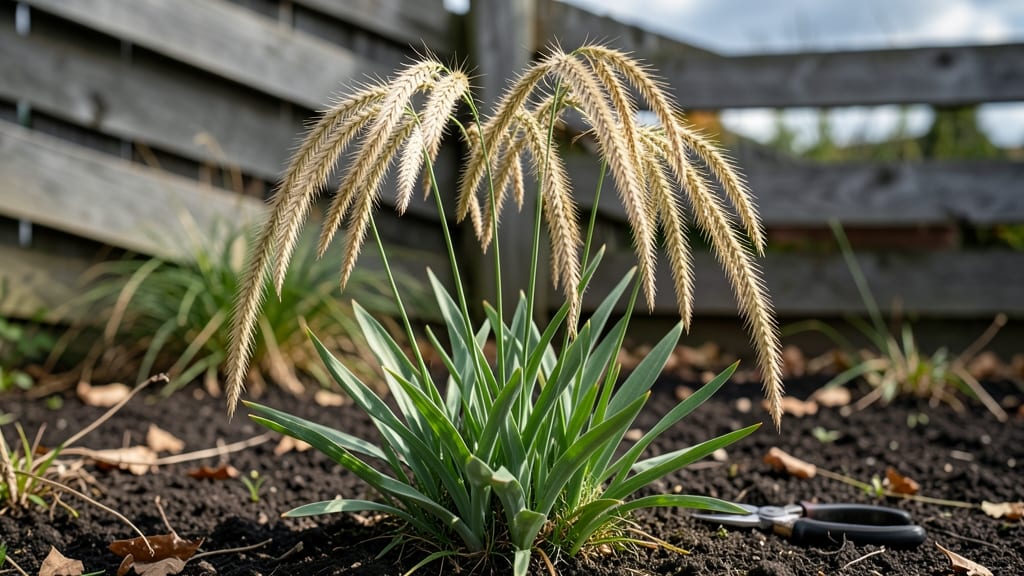
Steaming and cutting that long grass like weeds transforms stubborn overgrowth into a permanently tidy space without harsh chemicals. ✨ I’ve battled this problem in my own yard—where thick, tangled grass smothered garden beds—and learned the steam-and-cut method works where mowing and herbicides fail.
The secret lies in combining heat to kill roots with precise cutting to prevent regrowth, all while keeping your soil and surrounding plants healthy.
This approach targets the root cause: dense grass spreads because it’s not properly thinned or controlled. Most solutions focus on mowing lower or applying herbicides, but those only mask the issue.
Steaming weakens the grass’s ability to regenerate, while strategic cutting removes competition for sunlight and nutrients in your garden beds. You’ll see results within 2-3 weeks of treatment, with far less effort than constant mowing or chemical upkeep.
The best time to tackle this is late spring or early fall, when grass is actively growing but not under extreme heat or drought stress. A portable steam cleaner (rentable or purchased) paired with sharp shears or a string trimmer does the work.
The process is eco-friendly, safe for nearby plants, and eliminates the need for synthetic herbicides—no more worrying about drift or residue.
Once you’ve cleared the overgrowth, maintain the area with mulch or ground cover to prevent regrowth. This method isn’t just about quick fixes; it’s about reclaiming your garden’s potential.
Whether you’re prepping for new plantings or just tired of the endless battle with grass, this approach delivers lasting change with minimal ongoing work.
Root Causes Of Overgrowth
When your lawn starts resembling a wild meadow—tall, tangled, and full of grass-like weeds—it’s rarely just a matter of neglect. Several key factors contribute to this unruly growth, often working in tandem to create the perfect storm for an overgrown yard.
Understanding these causes is the first step toward reclaiming control. Let’s break down the science behind why your grass and weeds are running rampant.
One of the biggest culprits behind long grass like weeds is inconsistent or improper mowing. When you cut your grass too short (scalping) or skip mowing entirely, you’re not just leaving it unsightly—you’re triggering a biological response in the grass and weeds.
- Stimulates rapid regrowth: Grass and weeds grow faster when cut too short because the plant redirects energy from root development to leaf regrowth. This creates a cycle of weak, leggy growth that’s prone to tangling.
- Weed dominance: Short grass weakens over time, leaving gaps where hardy weeds like crabgrass, clover, or dandelions take over. These weeds thrive in disturbed soil and outcompete grass for sunlight and nutrients.
- Mower blade issues: A dull mower blade tears grass instead of cleanly cutting it, creating jagged edges that invite disease and further stress the plant.
Actionable fix: Mow regularly (never removing more than one-third of the grass blade at a time) and keep your mower blade sharp. Aim for a height of 3–4 inches for most grasses—this shades out weeds and encourages deep root growth.
Water is the lifeblood of your lawn, but too much—or too little—can turn your yard into a weed magnet. Grass and weeds respond differently to moisture levels, and imbalances create the perfect conditions for long, unchecked growth.
- Overwatering: Excess moisture weakens grass by promoting shallow root systems and creating a damp, fertile environment where weeds like nutsedge or moss flourish. It also encourages fungal diseases that stress grass, making it easier for weeds to invade.
- Underwatering: While it may seem counterintuitive, too little water can also lead to patchy, stressed grass that dies back, leaving bare soil for weeds to colonize. Drought-stressed grass often grows in clumps, creating an uneven, weedy appearance.
- Inconsistent watering: Uneven moisture levels cause some areas to grow faster than others, leading to that "wild meadow" look where tall grass and weeds dominate.
Actionable fix: Water deeply but infrequently—1–1.5 inches per week, including rainfall. Use a soil moisture meter to check levels, and water early in the morning to reduce evaporation. Adjust sprinklers to avoid overspray on sidewalks or driveways, which wastes water and can encourage weed growth at the edges.
Grass is a sun lover, and when it doesn’t get enough light, it stretches and weakens—creating the ideal conditions for long, leggy growth and weed takeover. Shade can come from trees, buildings, or even tall weeds themselves.
- Grass etiolates: Without enough sunlight, grass blades elongate (a process called etiolation) to reach for light. This makes them thin, weak, and more prone to tangling.
- Weed advantage: Many weeds, like chickweed or creeping charlie, thrive in shady conditions where grass struggles. They spread aggressively, filling in the gaps left by weak grass.
- Competition for resources: Shaded grass diverts energy to survival rather than root growth, making it easier for weeds to outcompete it for nutrients and water.
Actionable fix:
- Thin out dense tree branches or prune overhanging limbs to improve sunlight exposure.
- Choose shade-tolerant grass varieties (like fine fescue or zoysia) if full sun isn’t an option.
- Use mulch or ground covers in heavily shaded areas to suppress weeds naturally.
A lawn’s health starts in the soil, and imbalances—whether from poor nutrition, compacted soil, or pH issues—can lead to grass-like weeds dominating your yard. Weeds often thrive where grass is struggling due to nutrient deficiencies or excesses.
- Low nitrogen: Nitrogen is essential for lush green grass, but if levels are too low, grass grows slowly and weakly, allowing weeds to fill the gaps. Weeds like crabgrass and foxtail often appear in nitrogen-deficient soil.
- Compacted soil: Heavy foot traffic, construction, or clay soil can compact the soil, reducing oxygen and water availability. Compacted soil stresses grass roots, making it easier for weeds to take hold.
- pH imbalances: Soil that’s too acidic (pH < 6.0) or alkaline (pH > 7.5) locks out essential nutrients like phosphorus and potassium. Weak grass struggles to compete, while weeds like plantain or oxalis thrive in extreme conditions.
Actionable fix:
- Test your soil (kits are available at garden centers) and amend with compost, lime (for acidic soil), or sulfur (for alkaline soil) as needed.
- Aerate compacted soil in the fall to improve root growth and nutrient uptake.
- Apply a balanced fertilizer (e.g., 10-10-10) in early spring to support grass health and crowd out weeds.
Lawn care isn’t a one-and-done task—it’s an ongoing process. Skipping key maintenance steps like dethatching, aerating, or overseeding creates the perfect conditions for long, unruly growth and weed invasion.
- Thatch buildup: Thatch is a layer of dead grass, roots, and debris that naturally forms. While a thin layer (½ inch) is normal, thick thatch (more than ¾ inch) blocks water, air, and nutrients from reaching the soil. This stresses grass and gives weeds an opening.
- No overseeding: Over time, grass varieties thin out, leaving bare spots where weeds move in. Overseeding fills gaps and strengthens the lawn’s resistance to weeds.
- Ignoring pests/disease: Grubs, chinch bugs, or fungal diseases weaken grass, making it easier for weeds to establish. Without intervention, these issues compound, leading to a lawn that looks more like a meadow.
Actionable fix:
- Dethatch in early fall if the layer exceeds ½ inch.
- Overseed in early fall with a mix that matches your existing grass type.
- Inspect for pests regularly and treat early with natural or chemical controls as needed.
By addressing these root causes, you’ll not only tame the long grass like weeds but also create a lawn that’s healthier, more resilient, and far less hospitable to unwanted invaders. The key is consistency—small, regular efforts make a bigger difference than occasional deep cleans.
Tackle Overgrown Grass Like a Pro
Now that you understand why your lawn might be looking like a wild meadow, let’s roll up our sleeves and get it under control—permanently! The key is combining steam treatment (to weaken the roots) with precision cutting (to remove the problem at the source).
Below, we’ve broken down solutions by the most common causes of unruly grass, so you can target the fix like a lawn-care expert.
If your grass has gone rogue because of skipped mowing or inconsistent care, the solution is straightforward but requires consistency.
Step 1: Steam the Area First (🔥)
- Why? Steam kills weeds and weakens grass roots, making them easier to cut and removing the need for harsh chemicals.
- How?
- Rent or buy a steam cleaner (or a handheld steam weeder for smaller areas).
- Set the steam to 212°F (100°C)—hot enough to penetrate the thatch layer.
- Move the nozzle slowly over the overgrown sections, ensuring steam penetrates for 10–15 seconds per spot.
- Watch the grass wilting instantly—this means the treatment is working!
Step 2: Cut It Down (🔪)
- When? Wait 24–48 hours after steaming to let the grass soften.
- How?
- Use a sharp lawnmower blade (dull blades tear grass, making regrowth harder).
- Set the blade as low as possible (but not scalping—leave ~1–2 inches for recovery).
- Bag the clippings to remove all debris—this prevents reseeding.
- For stubborn patches, a string trimmer or manual shears work for edges.
Prevention Tips (🛡️)
- Mow regularly—never let grass exceed 4 inches in height.
- Adjust mower height seasonally: higher in summer, lower in spring/fall.
- Water deeply but infrequently (1–1.5 inches per week) to encourage deep roots and discourage weak, spindly growth.
If your "grass" is actually a mix of clover, crabgrass, or other weeds, steaming alone won’t cut it—you’ll need a two-pronged attack.
Step 1: Identify the Invaders (🔍)
- Broadleaf weeds (dandelions, clover): Pull by hand or spot-treat with vinegar + dish soap (for small areas).
- Grassy weeds (crabgrass, nutsedge): Require steam + pre-emergent herbicide (apply in early spring).
- Thatch buildup: Use a lawn rake to aerate after steaming.
Step 2: Steam + Cut + Treat (💥)
- Steam the area (as above) to weaken weeds.
- Cut the grass low (but leave weeds exposed).
- Apply a natural herbicide (like corn gluten meal for prevention) or a targeted vinegar spray (1 gallon vinegar + 1 oz dish soap + 1 tbsp salt) for weeds.
- Re-seed with grass seed (if desired) or lay landscape fabric to prevent regrowth.
Prevention Tips (🚫)
- Improve soil health with compost to crowd out weeds naturally.
- Mow high (3–4 inches) to shade out weed seeds.
- Apply pre-emergent herbicide in early spring to stop weeds before they sprout.
If your lawn looks scorched or patchy due to extreme heat, drought, or poor soil, it’s time to revive the roots before cutting.
Step 1: Hydrate Deeply (💦)
- Water slowly over 2–3 hours (deep soak, not surface sprinkle).
- Repeat every 2–3 days until the soil is 6 inches deep and moist.
- Avoid watering at night to prevent fungal growth.
Step 2: Steam + Overseed (🌱)
- Steam the dead patches to kill remaining debris.
- Rake the area to loosen soil.
- Spread grass seed + a starter fertilizer (high in phosphorus).
- Cover with straw to retain moisture (remove after germination).
Prevention Tips (🌿)
- Water early morning (4–8 AM) to reduce evaporation.
- Mulch with grass clippings to retain moisture.
- Test soil pH (ideal: 6.0–7.0) and amend with lime or sulfur if needed.
For areas where grass just won’t stay down, consider alternative ground covers that require less maintenance.
Option 1: Landscape Fabric + Mulch (🏡)
- Lay heavy-duty landscape fabric over the area.
- Cover with 3–4 inches of mulch (wood chips or gravel).
- Plant perennials or shrubs on top for a low-maintenance look.
Option 2: Replace with Clover or Creeping Thyme (🌼)
- These drought-resistant, low-growing alternatives thrive in poor soil and suppress weeds.
- Sow seeds after steaming and prepping the soil.
Option 3: Solarize the Soil (☀️)
- Best for bare spots or weed-heavy areas: 1. Water the ground thoroughly 2–3 days before solarization. 2. Cover with clear plastic sheeting (secured with rocks).
- Leave for 4–6 weeks in hot sun (kills weeds and seeds).
- Remove plastic, steam remaining debris, and reseed or mulch.
Pro Tip: 💡 For large lawns, hire a professional steamer or sod cutter—it’s worth the investment for stubborn overgrowth!
By combining steam, precise cutting, and smart prevention, you’ll transform that "long grass like weeds" nightmare into a lush, manageable lawn—without chemicals or endless mowing. 🚀
Frequently asked questions
Why does my grass keep growing back after cutting it short?
Grass grows back quickly after short cuts because cutting stimulates rapid leaf regrowth as a survival mechanism. When you mow too low, you remove the grass's energy reserves, forcing it to redirect all resources to new growth rather than deep root development. This creates a cycle of weak, leggy grass that tangles easily. To break the cycle, maintain a height of 3–4 inches and use sharp blades for clean cuts.
Can I use vinegar to kill long grass and weeds permanently?
Vinegar can kill grass and weeds on contact, but it’s not a permanent solution. The acetic acid in vinegar burns the plant tissue, but it doesn’t penetrate deep enough to kill roots or prevent regrowth from seeds in the soil. For lasting results, combine vinegar (1 gallon) with 1 oz dish soap and 1 tbsp salt for spot treatment, then follow up with steaming or mulching to block sunlight and prevent regrowth.
How often should I steam my overgrown grass to keep it under control?
Steaming is most effective as a one-time treatment for stubborn overgrowth, not a regular maintenance step. After your initial steam-and-cut session, focus on prevention: mow regularly, water deeply but infrequently, and apply mulch or ground covers to suppress regrowth. If you encounter new patches, steam them as needed—typically once every 2–3 years for problem areas, or when you notice dense thatch buildup.
Will steaming my lawn harm nearby plants or flowers?
Steaming is generally safe for established plants if applied carefully, but direct steam can scorch delicate foliage. Protect nearby plants by covering them with a tarp or wet towels before steaming. For flowers or shrubs, focus the steam on the grass and weeds only, keeping the nozzle at least 6 inches away from stems. Always test a small area first to ensure no damage occurs.
What’s the best time of year to tackle long grass and weeds?
The ideal window is late spring or early fall, when temperatures are mild (50–85°F) and grass is actively growing but not under extreme stress. Avoid steaming during drought or heatwaves, as stressed plants may not recover. Early fall is especially effective because it gives grass time to establish deeper roots before winter dormancy, while weeds are still vulnerable.