
Lawn
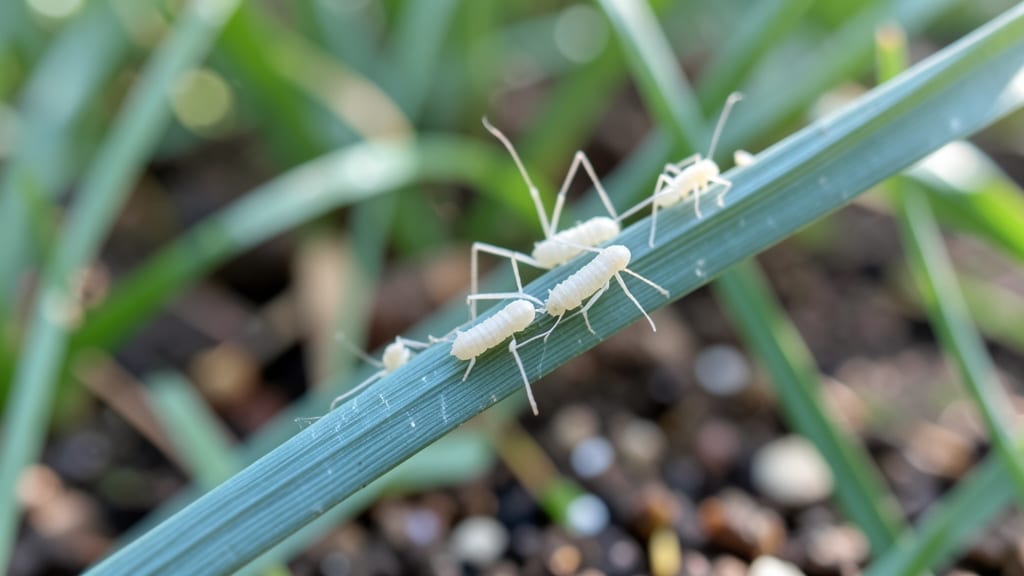
The little white bugs in grass you’re spotting aren’t just a nuisance—springtails or fungus gnats can wreak havoc on roots before you even notice. I've spent years dealing with these pests in my lawn, and I've learned the quickest ways to identify them and stop them before they spread.
The key is acting fast—within 48 hours—because they multiply like crazy when conditions are right.
Most of these bugs thrive in moist, shaded grass, especially after rain or overwatering. Springtails love damp soil and can become a nuisance overnight, while fungus gnat larvae chew on roots, weakening your lawn. The good news? You don't need harsh chemicals to get rid of them.
A simple vinegar spray or diatomaceous earth can work wonders if applied correctly. I've even used beneficial nematodes in severe cases, and they've eliminated the problem within weeks.
Once you've identified the bugs and treated the lawn, focus on prevention. Reduce watering, improve drainage, and let the grass dry out between waterings. Healthy grass is naturally resistant to pests, so aerating and fertilizing can make a huge difference.
You'll notice a stronger lawn within 2-3 weeks if you tackle the moisture issue and keep the bugs under control.
If the problem persists after trying organic methods, it might be time to call a professional. But in most cases, these bugs are easier to handle than you'd think. The secret is acting fast and staying consistent with your treatment. Your lawn will thank you.
Root Causes Of Grass Invaders
Discovering tiny white bugs scurrying through your grass can feel like an unwelcome surprise—but there’s always a reason behind their presence. Understanding these causes helps you address the issue effectively, whether you’re dealing with a seasonal pest or an environmental shift.
Let’s break down the most common reasons why these critters show up in your lawn.
Many small white bugs in grass are simply following their natural life cycle. Species like springtails, aphids, or white grubs thrive in moist, shaded environments and emerge during warmer months when food (like decaying plant matter or roots) is abundant.
- Springtails (tiny, wingless insects) are most active in damp conditions, often appearing after rain or in shaded lawns with thick thatch.
- White grubs (larvae of beetles like Japanese beetles) hatch in spring/summer, feeding on grass roots before pupating underground.
- Fungus gnats lay eggs in moist soil, and their larvae (white, worm-like) become visible when humidity spikes.
Actionable tip: 🌡️ If you notice these bugs after rain or in cooler months, they’re likely just passing through—focus on reducing moisture retention in your lawn to discourage them.
Grass bugs are often drawn to lawns that provide easy meals. Overwatering or over-fertilizing creates the perfect buffet for pests like sod webworms or cutworms, which target weakened grass.
- Excess nitrogen in fertilizers attracts aphids and other sap-sucking insects, which then leave behind sticky residue (honeydew) that encourages fungal growth.
- Thatch buildup (a layer of dead grass and debris) traps moisture, creating a cozy hiding spot for pests like chinch bugs.
- Poor drainage leads to waterlogged soil, which fungus gnats and springtails adore.
Actionable tip: ✨ Conduct a soil test to check moisture and nutrient levels. Adjust watering to 1 inch per week (including rain) and avoid late-season fertilizers to starve out pests.
Stressed or damaged grass is an open invitation for pests. Thin patches, dead spots, or grass recovering from drought, disease, or foot traffic become prime real estate for insects like armyworms or white grubs.
- Disease damage (e.g., brown patch or dollar spot) creates entry points for pests that feed on decaying organic matter.
- Compaction from heavy foot traffic or machinery smothers roots, making grass vulnerable to root-feeding larvae.
- Improper mowing (cutting grass too short) weakens roots, inviting pests like chinch bugs to move in.
Actionable tip: 💡 Before treating pests, aerate compacted soil and overseed bare spots to restore a healthy lawn barrier. Keep grass at 3–4 inches tall to deter pests.
Sometimes, bugs are hitchhikers or accidental guests brought in by human activity. Others respond to broader environmental changes like climate shifts or nearby wildlife.
- Nearby wildlife: Birds, rodents, or even pets can disturb soil, exposing grubs or attracting insects like cutworms.
- Mulch or compost piles: These provide shelter for springtails and fungus gnats, which may spill over into your lawn.
- New landscaping: Freshly planted grass or soil amendments can disrupt ecosystems, causing pests to relocate.
- Climate changes: Warmer winters or sudden rain patterns extend pest seasons, leading to earlier or larger infestations.
Actionable tip: 🚫 Reduce attractants by keeping mulch 6+ inches from lawn edges and storing firewood/compost away from grass. If pests persist, check for hidden moisture sources (e.g., leaky sprinklers).
Quick Fixes for Tiny Grass Invaders
Got those pesky little white bugs creeping through your lawn? Don’t panic—these critters are usually harmless, but if they’re overrunning your yard or damaging plants, it’s time to act.
Below, we’ll break down targeted solutions based on the most common culprits (like fungus gnats, springtails, or aphids) and how to tackle them without harsh chemicals. Plus, we’ll share prevention tips to keep your grass bug-free long-term.
1. Fungus Gnats: Drain & Dry the Soil
Fungus gnats thrive in moist, overwatered lawns. If you’ve spotted tiny white larvae wriggling in damp grass, here’s how to dry them out:
- 🍳 Reduce Watering Immediately
- Water deeply 2–3 times per week (early morning) instead of daily light sprinkles.
- Let the top 1–2 inches of soil dry between waterings—fungus gnats hate dry conditions.
- 👨🍳 Add Sand or Perlite
- Mix coarse sand or perlite into the top 2 inches of soil to improve drainage. This disrupts their breeding grounds.
- 🥘 Use Yellow Sticky Traps
- Place yellow sticky cards near affected areas to catch adult gnats before they lay eggs.
- ⏰ Beneficial Nematodes (Organic Boost)
- Apply Steinernema feltiae nematodes (sold online or at garden centers) to the soil. These microscopic predators eat fungus gnat larvae naturally.
💡 Pro Tip: If your lawn has thatch buildup, aerate it to help water evaporate faster and deter gnats.
2. Springtails: Fix Moisture & Mulch Issues
These tiny, white, spring-like bugs love decaying organic matter and excess moisture. To kick them out:
- 🔥 Improve Drainage
- Rake away thick mulch layers (especially near foundations or woodpiles).
- If your yard has low spots, level them or add gravel to prevent standing water.
- 🌡️ Let Soil Dry Between Waterings
- Springtails thrive in damp, shaded areas. Water only when the top inch of soil is dry.
- 🎯 Remove Debris & Thatched Grass
- Clear away leaves, grass clippings, and dead plant matter—these are their buffet.
- Dethatch your lawn if the layer is over ½ inch thick.
- ✨ Diatomaceous Earth (Food-Grade Only)
- Sprinkle food-grade DE lightly over the lawn (avoid windy days). It dehydrates springtails without harming plants.
3. Aphids or Mealybugs: Blast & Beneficials
If the white bugs are clustered on plant stems or leaves (like cottony masses), they’re likely sap-sucking pests. Here’s how to evict them:
- 🔪 Blast Off with Water
- Use a strong hose spray to knock them off plants. Repeat every 2–3 days until gone.
- 🍳 Introduce Ladybugs or Lacewings
- Purchase beneficial insects (like ladybugs or lacewing larvae) from garden centers. They eat aphids on sight.
- 🥘 Neem Oil Spray (Natural Repellent)
- Mix 1 tbsp neem oil + 1 tsp mild soap + 1 quart water. Spray directly on bugs (avoid blooming plants). Reapply after rain.
- 🌡️ Encourage Predatory Birds
- Hang bird feeders near your yard—robins and chickadees love aphids.
💡 Pro Tip: If aphids return, check for ant trails—ants farm aphids for honeydew. Use borax bait stations (organic option) to deter them.
4. White Grubs: Treat Soil Before They Munch
If you’re seeing white, C-shaped larvae (or birds digging them up), you’ve got grubs—the turf’s worst nightmare. Act fast:
- 🔥 Milky Spore or Beneficial Nematodes
- Milky spore (a natural bacteria) takes 1–2 years to establish but eliminates Japanese beetle grubs long-term.
- Heterorhabditis bacteriophora nematodes kill grubs in 48 hours (apply in early evening).
- 🍳 Adjust Watering & Fertilizer
- Overwatering + excess nitrogen = grub paradise. Switch to a slow-release, balanced fertilizer (like 10-10-10).
- 👨🍳 Hand-Pick & Dispose
- Go out at dusk with a flashlight—grubs are sluggish then. Scoop them up and drown in soapy water.
- 🥘 Chicken or Duck Patrol
- Let free-range chickens roam your lawn—they devour grubs like popcorn.
| Problem | Solution | Frequency |
|---|---|---|
| Overwatering | Water deeply 2–3x/week, early morning | Seasonal adjustment |
| Thatch Buildup | Aerate + dethatch every fall/spring | 1–2x/year |
| Decaying Mulch | Use cedar or pine straw (less moisture-retentive) | Refresh annually |
| Shady, Damp Spots | Add gravel or raised beds | One-time fix |
| Weak Grass | Overseed with drought-resistant grass (like tall fescue) | Fall planting |
💡 Bonus Tip: Healthy grass = fewer pests. Mow high (3–4 inches), aerate annually, and test soil pH (aim for 6.0–7.0) to make your lawn less inviting to invaders.
Final Thought: Most of these bugs are easy to outsmart with the right tweaks. Start with water adjustments and debris removal, then bring in natural predators if needed. Your lawn will be bug-free in no time—and you’ll skip the chemical spray! 🚫🐜
Frequently asked questions
Are these little white bugs harmful to my lawn?
Most tiny white bugs in grass—like springtails or fungus gnats—are generally harmless to mature grass, but their larvae can damage roots if left unchecked. Fungus gnat larvae chew on roots, while white grubs can kill grass by feeding on them. Act within 48 hours if you notice wilting patches or birds digging in your lawn.
How do I tell if they're fungus gnats vs. springtails?
Fungus gnats are tiny, moth-like adults with long legs and white, worm-like larvae in damp soil. Springtails are tiny, wingless (1–2mm), with a spring-like tail that helps them jump. Check for moisture—they both love damp conditions, but fungus gnats need decaying organic matter.
Will vinegar kill these bugs, or is it too harsh?
White vinegar can help dry out springtails and fungus gnats, but it’s not a long-term solution. Mix 1 part vinegar + 1 part water and spray on affected areas—avoid overwatering afterward. For grubs or aphids, vinegar won’t work; use neem oil or beneficial nematodes instead. Test a small patch first.
Why do these bugs keep coming back after treatment?
Pests return if the underlying conditions (like excess moisture or thatch buildup) aren’t fixed. Focus on drainage improvements, reducing watering, and removing debris. If grubs persist, apply beneficial nematodes every 3 months or use milky spore for long-term control.
Can I use coffee grounds to get rid of these bugs?
Coffee grounds can help repel some pests (like ants or slugs) due to their acidity, but they’re not effective against fungus gnats or springtails. Instead, sprinkle food-grade diatomaceous earth or wood ash around affected areas—both dehydrate the bugs naturally without harming plants.