
Lawn
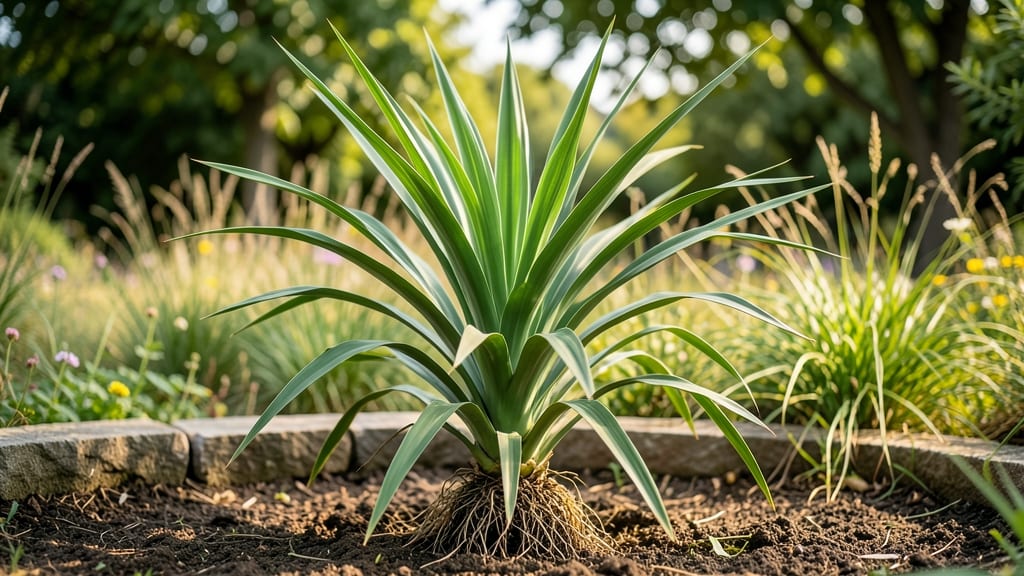
Growing lemon grass in your garden means fresh, fragrant stalks year-round with almost no work. 🌿 My first batch took over my patio in just three months—no fancy tools, just sunlight and patience. The key is starting with healthy rhizomes and giving them room to spread.
You’ll need well-draining soil, a sunny spot (at least 6 hours of light daily), and containers or garden beds with 18-24 inches of space between plants. Lemon grass thrives in warm climates but can survive winters in pots if brought indoors.
Water consistently to keep the soil moist but never soggy—this plant hates waterlogged roots. Once established, you’ll harvest fresh stalks whenever you need them for cooking or bouquets. The citrusy aroma repels pests naturally, and the tall, dramatic foliage adds tropical flair to any garden.
Prune back leggy stalks to encourage bushier growth and new shoots. Container gardening works beautifully, even on balconies—just ensure the pot has drainage holes. If pests appear, a simple spray of neem oil keeps them at bay. With minimal care, you’ll have an endless supply of this versatile herb.
📚 In This Guide
- What you need
- Instructions
- Tips and common mistakes
- Wrapping up and next steps
What you need
- ● Lemon grass plants: 3–5 healthy stalks (potted or bare-root). Look for Cymbopogon citratus varieties for the best flavor.
- ● Well-draining soil: 5–10 lbs of a mix like 50% garden soil + 50% compost (or a cactus/succulent blend for sandy soil).
- ● Containers or garden bed: Containers: 3–5 12-inch-wide pots with drainage holes (terracotta or fabric grow bags work best).
- ● Garden bed: A sunny, sheltered spot with at least 6 hours of sunlight daily and loose, well-draining soil.
- ● Organic fertilizer: A balanced 10-10-10 or fish emulsion (1 tbsp per plant every 4–6 weeks).
- ● Watering can or hose: With a gentle spray nozzle to avoid damaging leaves.
- ● Pruning shears: Sharp, clean pair for harvesting and trimming.
- ● Mulch: Straw or shredded leaves to retain moisture and suppress weeds.
- ● Pest control: Neem oil or insecticidal soap (if aphids or spider mites appear).
- ● Garden gloves: To protect your hands from sharp leaf edges.
- ● pH test kit: To ensure soil pH is 6.0–7.0 (lemon grass thrives in slightly acidic to neutral soil).
- ● Drip irrigation system: For automated watering (great for busy gardeners!).
Step-by-step guide to planting and maintaining lemon grass in your garden
Here's how to grow fragrant, productive lemon grass with almost no fuss—just follow these simple steps.
🌱 Step 1: Choose the Right Location and Prepare the Soil
Lemon grass thrives in full sun—at least 6 hours daily—so pick a warm, sheltered spot in your garden. It tolerates a range of soil types but grows best in well-draining, slightly acidic soil with a pH between 5.5 and 6.5. If your soil is heavy clay, mix in a handful of compost to improve drainage.
Dig a hole about 12 inches wide and deep—this gives the rhizomes (underground stems) plenty of room to spread. Lemon grass hates soggy roots, so avoid low-lying areas where water pools. If your garden stays damp, consider planting in a raised bed or container with drainage holes.
🪴 Step 2: Plant Lemon Grass Rhizomes Correctly
Start with healthy rhizomes—look for firm, plump stems with visible roots. Plant them 2-3 inches deep and 12-18 inches apart in rows. The tops should peek just above the soil line, as they’ll grow upright from there. I like to space mine in a grid pattern for easier harvesting later.
Gently cover the rhizomes with soil and pat it down lightly—this ensures good root-to-soil contact. Water deeply right after planting until the soil is moist 6 inches down. Mulch with 2-3 inches of organic mulch (like straw or shredded leaves) to retain moisture and suppress weeds. Avoid piling mulch directly against the stems to prevent rot.
☀️ Step 3: Water and Fertilize for Healthy Growth
Keep the soil consistently moist but never soggy—lemon grass needs 1-1.5 inches of water weekly, more in hot, dry weather. Water at the base of the plant in the morning so the leaves dry quickly, reducing fungal risks. You’ll know it’s thirsty when the lower leaves start wilting or the soil feels dry 2 inches down.
Fertilize lightly twice a year: once in early spring and again in midsummer. Use a balanced, water-soluble fertilizer (like 10-10-10) at half strength. Too much nitrogen makes the plant grow lush but weak—focus on quality over quantity. I skip winter fertilizing since growth slows down.
✂️ Step 4: Harvest and Maintain for Year-Round Use
Harvest lemon grass when the stalks reach 12-18 inches tall—this is when the flavor peaks. Cut the outer stalks at the base with clean shears, leaving the inner ones to keep growing. You can harvest up to ⅓ of the plant at a time without stressing it. For dried lemon grass, tie the stalks in bundles and hang them upside down in a dry, dark place for 2-3 weeks.
In colder climates, lemon grass may go dormant in winter. Trim back dead leaves and reduce watering, but don’t dig up the rhizomes—they’ll regrow in spring. In warmer zones, it grows year-round with minimal care. Watch for pests like aphids or spider mites; a strong spray of water usually clears them up.
🌿 Step 5: Divide and Propagate for More Plants
Every 2-3 years, lemon grass clumps get crowded, and growth slows. Dig up the entire plant in early spring, separate the rhizomes with your hands, and replant the healthiest sections. Each division should have at least 3-4 inches of rhizome with roots attached. This keeps your plants vigorous and gives you extra plants to share.
Real talk: Lemon grass is one of the easiest perennials to grow once established. With the right spot and a little patience, you’ll have a steady supply of fragrant stalks for cooking, teas, or homemade remedies. The key is consistency—water, sun, and space—and it’ll reward you for years.
Tips & tricks for perfect lemon grass growth
Here's what nobody tells you about growing lemon grass that'll make all the difference.
Sunlight Secret: That "at least 6 hours of sun" isn't just a suggestion—it's non-negotiable for maximum flavor. I've seen lemon grass grown in partial shade, but the stalks were pale and less aromatic. If your garden doesn't get full sun, consider growing it in a large container that you can move to sunny spots throughout the day. The more direct sunlight, the more intense that citrusy aroma becomes.
Soil Preparation: Don't skip the soil test if you're unsure about pH. Lemon grass prefers that slightly acidic range (5.5-6.5), but many garden soils run neutral or alkaline. If you're in doubt, mix in a handful of sulfur or use a soil acidifier to adjust before planting. I've seen plants struggle in alkaline soil despite all other conditions being perfect—it's worth the small investment to test.
Watering Wisdom: The "1-1.5 inches weekly" guideline is a baseline, but your actual needs depend on your climate. In my hot, dry zone, I water every 3-4 days in summer, while my neighbor in a humid area waters every 5-6 days. Always check soil moisture 2 inches down—this is the best indicator. Overwatering is the #1 killer of lemon grass, so when in doubt, wait another day before watering again.
Harvesting Hack: When you're harvesting those 12-18 inch stalks, don't cut all the way to the base—leave about 2 inches of stem. This prevents damage to the growing point and encourages thicker regrowth. I've found that plants harvested this way produce more robust stalks for the next harvest cycle. And always use clean, sharp shears to avoid tearing the leaves.
Pro Tips for Lemon Grass In The Garden
- Here's what nobody tells you about growing lemon grass that'll make all the difference.
- Sunlight Secret: That "at least 6 hours of sun" isn't just a suggestion—it's non-negotiable for maximum flavor.
- Soil Preparation: Don't skip the soil test if you're unsure about pH.
Frequently asked questions
Got questions about growing lemon grass in your garden? You’re not alone! Here are some of the most common queries—and their straightforward answers—to help you cultivate this fragrant, low-maintenance plant with confidence.
How long does it take for lemon grass to grow tall enough to harvest?
Lemon grass typically reaches harvestable height (12–18 inches) in 6–12 months, depending on climate and care. In warm regions, you may see faster growth, while cooler zones might take longer. Once established, it grows 1–2 inches per month—so patience pays off!
Can lemon grass survive winter in colder climates?
Lemon grass is tropical and struggles in frost (below 25°F/-4°C). In cold areas, grow it in containers and move indoors during winter or dig up the roots to replant in spring. Alternatively, cover the base with mulch or straw for extra protection.
What’s the easiest way to propagate lemon grass at home?
Propagation is simple! Divide mature clumps in spring or summer—just separate the thick, fibrous stalks at the base and replant them 2–3 inches deep in soil. You can also root individual stalks in water until roots form (about 2–4 weeks) before transplanting.
Why is my lemon grass turning yellow or brown?
Yellowing or browning usually signals overwatering, poor drainage, or pests. Check the soil—it should stay moist but not soggy. If roots are mushy, repot in well-draining soil. For pests (like aphids), spray with neem oil or rinse leaves with soapy water.
Can I grow lemon grass indoors near a kitchen window?
Lemon grass thrives indoors with bright, indirect light (like a south- or east-facing window). Use a 6–8 inch pot with drainage holes, keep soil moist, and rotate the plant weekly for even growth. Just avoid drafts—it dislikes cold windowsills!
What’s a good alternative if lemon grass won’t grow in my area?
If your climate is too harsh, try citronella grass (similar scent, pest-repellent) or lemongrass varieties like West Indian or Cochin, which are slightly hardier. For a non-grass option, mint or basil can add citrusy notes to dishes (though they’re annuals).
Wrapping up and next steps
Growing lemon grass in your garden is a rewarding way to enjoy fresh, fragrant herbs year-round with minimal effort! Whether you’re using it for cooking, natural remedies, or simply beautifying your outdoor space, this versatile plant thrives with just a little care.
Start small—even a single stalk can multiply into a lush, aromatic harvest—so why not give it a try? Your kitchen (and senses) will thank you!
🌱 Next step: Grab those clumps, dig in, and watch your garden transform into a fragrant oasis. Happy planting! 🌿