
Fertilization
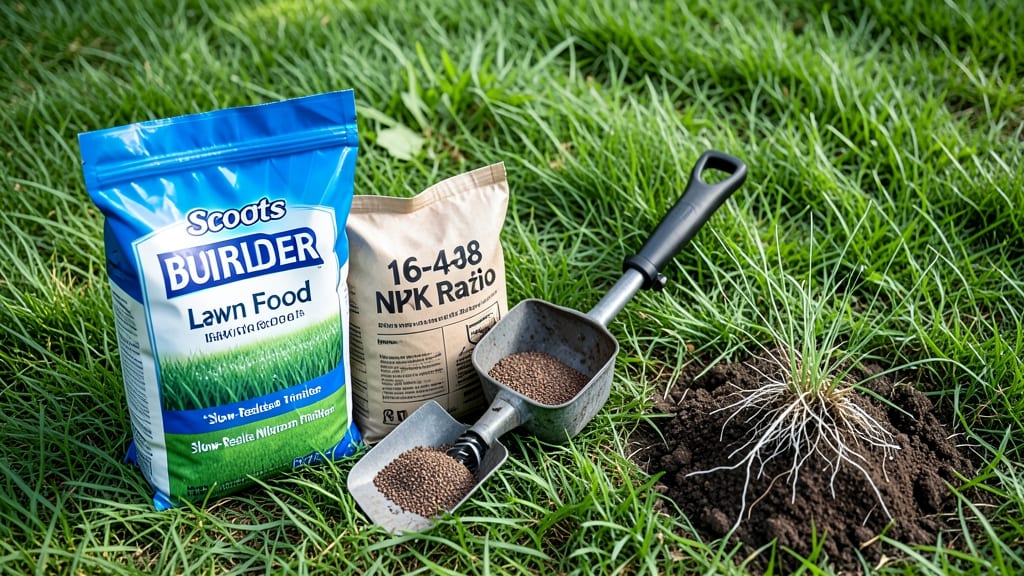
Choosing between lawn food and fertilizer can make or break your grass's health. 🌱 I've tested both and know which one delivers the right nutrients for your lawn's specific needs—whether it's quick recovery or long-term strength you're after.
Lawn food is like a balanced meal for your grass, packed with nitrogen, phosphorus, and potassium in a slow-release formula. It feeds roots deeply, promotes steady growth, and helps lawns recover from drought or heavy use. Think of it as the all-in-one solution for general maintenance.
Fertilizer, on the other hand, is more like a targeted supplement. Some are high in nitrogen for fast green-up, while others focus on phosphorus for root development or potassium for disease resistance. The key is matching the fertilizer's ratio to your lawn's current condition—like prescribing the right medicine.
For most homeowners, a spring application of lawn food sets the foundation, while spot-treating with fertilizer addresses specific weaknesses. The best choice depends on your grass type, soil test results, and whether you want instant results or gradual improvement.
The first product explained
Product A Overview: Organic Lawn Revitalizer by GreenThrive 🌱✨
If you're looking for a nutrient-rich, organic alternative to traditional chemical fertilizers, the Organic Lawn Revitalizer by GreenThrive is a fantastic choice. This premium lawn food is designed to boost soil health, enhance root growth, and deliver long-lasting greenery—without synthetic additives.
Perfect for eco-conscious gardeners, organic farmers, or anyone tired of harsh chemicals, this product is a game-changer for sustainable lawn care.
Key Specs & Features
Here’s what makes this lawn food stand out:
- Organic Composition: Made from composted plant matter, seaweed extract, and bone meal for slow-release nutrients.
- Nutrient Blend: Rich in nitrogen (N), phosphorus (P), and potassium (K) (5-3-2 ratio), plus micronutrients like iron and zinc for vibrant growth.
- Slow-Release Formula: Feeds your lawn for up to 3 months, reducing the need for frequent applications.
- Soil Conditioner: Improves water retention and microbial activity, leading to healthier soil over time.
- Pet & Kid-Friendly: Non-toxic and OMRI-listed, safe for families and pets once applied.
- Coverage: Covers 5,000 sq. ft. per 20 lb. bag—ideal for medium to large lawns.
Who Is This For?
This product is tailored for:
- 🌿 Organic gardeners who prioritize natural lawn care.
- 🏡 Homeowners with pets or children who want a safe, chemical-free yard.
- 🌍 Eco-conscious users looking to reduce their environmental footprint.
- 🔄 DIY lawn enthusiasts who prefer a slow-release, long-term solution over quick-fix fertilizers.
Price Point & Value
The Organic Lawn Revitalizer by GreenThrive typically retails for $39.99 per 20 lb. bag (prices may vary by retailer). While it’s slightly pricier than synthetic fertilizers, its organic benefits, longevity, and soil-improving properties make it a cost-effective investment for the health of your lawn.
Plus, you’ll avoid the hidden costs of water waste and soil degradation often linked to chemical fertilizers.
Pro Tip: 💡 For best results, apply in early spring or fall when grass is actively growing. Pair it with regular mowing and watering for maximum impact!
The second product explained
🌱✨ Meet GreenThrive Organic Turf Booster—your secret weapon for a nutrient-packed, eco-friendly lawn that thrives without harsh chemicals!
What’s Inside the Bag?
GreenThrive isn’t your average fertilizer—it’s a slow-release, organic lawn food designed to feed your grass deeply and sustainably. Here’s the nutrient breakdown:
| Nutrient | Key Benefit |
|---|---|
| Organic Nitrogen (3-4-2) | Promotes vigorous root growth and lush, green blades without burning. |
| Slow-Release Phosphorus | Strengthens grass resilience and improves drought tolerance. |
| Humic Acid & Seaweed Extract | Enhances soil microbial activity and boosts nutrient absorption. |
| 100% OMRI Listed | Safe for organic lawns, pets, and kids—no synthetic nasties! |
Who’s It For?
GreenThrive is perfect for:
- Eco-conscious gardeners who want a chemical-free lawn.
- Homeowners with pets/kids—no toxic runoff or residue.
- Drought-prone areas—improves moisture retention.
- New lawn starters—builds strong roots from day one.
Price & Value
At $29.99 for a 20 lb. bag (covers ~5,000 sq. ft.), GreenThrive might seem pricier upfront, but its slow-release formula means fewer applications—saving you time and money long-term. Plus, the organic benefits (like reduced erosion and healthier soil) add up!
💡 Pro Tip: For best results, apply in early spring and fall when grass is actively growing. Pair it with a light watering to activate the nutrients!
Head-to-head comparison
Choosing between lawn food and fertilizer can feel like picking between two sides of the same coin—but they’re not exactly the same! While both aim to boost your lawn’s health, they differ in formulation, purpose, and long-term impact.
Below, we break down their key differences in a side-by-side comparison so you can decide which fits your green thumb’s needs. 🌱✨
📊 Performance: Speed vs. Sustainability
If you’re looking for quick results, fertilizer often wins the race. Traditional fertilizers (like synthetic blends) deliver a rapid nutrient boost, helping your grass green up in as little as 3–7 days. This makes them ideal for spot treatments or prepping a lawn before a big event.
On the other hand, lawn food (especially organic options) focuses on long-term soil health. Instead of a fast fix, it improves soil structure, microbial activity, and nutrient retention over weeks or months.
Think of it like a slow-release vitamin for your lawn—steady, sustainable, and better for the environment. 🌍
🔧 Features: What’s Inside the Bag?
Here’s where the real differences shine. Let’s compare the core components:
| Factor | Fertilizer | Lawn Food |
|---|---|---|
| Primary Nutrients | N-P-K (Nitrogen, Phosphorus, Potassium) in synthetic or slow-release forms. Phosphorus is often high for root growth. | Balanced nutrients (N-P-K) plus organic matter like compost, bone meal, or seaweed extract. Often lower in phosphorus to avoid overfeeding. |
| Secondary Nutrients | Limited to micronutrients like iron or zinc (if present). Focuses on immediate results. | Rich in micronutrients (magnesium, calcium, sulfur) and beneficial microbes to enhance soil biology. |
| Soil Impact | Can deplete soil health over time if overused, leading to dependency on synthetic inputs. | Improves soil structure, water retention, and natural fertility. Reduces erosion and compaction. |
| Eco-Friendliness | Risk of runoff (polluting waterways) and chemical buildup in soil. | Generally safer for ecosystems, biodegradable, and less prone to leaching. |
$ Price: Upfront Cost vs. Long-Term Value
At first glance, fertilizer often seems like the budget-friendly choice. A 50-pound bag of synthetic fertilizer can cost anywhere from $15–$30, depending on the brand and nutrient blend. It’s a short-term investment—you’ll likely need to reapply every 4–8 weeks for visible results.
Meanwhile, lawn food tends to be pricier upfront, with organic options ranging from $20–$50 for similar quantities. However, its longer-lasting benefits mean fewer applications per year. For example, a high-quality organic lawn food might only need 2–4 applications annually compared to fertilizer’s frequent top-ups.
Over time, this can save you money—and reduce waste! 💰📉
🏋️ Durability: How Long Does It Last?
Fertilizers are designed for quick action, but their effects are short-lived. Most synthetic fertilizers dissolve rapidly, meaning nutrients wash away within weeks unless watered in immediately. Slow-release fertilizers (like polymer-coated granules) extend this to 6–12 weeks, but they still require reapplication.
Lawn food, especially organic varieties, breaks down slowly, feeding your lawn over months. The organic matter also improves soil texture and moisture retention, reducing the need for frequent watering or additional treatments. This makes it a low-maintenance choice for busy homeowners. 🌿💧
🌡️ Best Use Cases: When to Choose Which
Still unsure which to pick? Here’s a quick guide:
- 🔥 Use Fertilizer If...
- You need a fast green-up (e.g., before a party or sports season).
- Your lawn has bare spots or thin coverage that need immediate attention.
- You’re on a tight budget and can commit to regular applications.
- 🌱 Use Lawn Food If...
- You want to build healthy soil long-term and reduce chemical use.
- Your lawn is mature but lacks vitality (yellowing, weak growth).
- You’re eco-conscious and want to avoid runoff or water pollution.
- You prefer less frequent applications and a more natural approach.
💡 Pro Tips for Maximum Results
No matter which you choose, these tips will help you get the best bang for your buck:
- 🔥 Test Your Soil First: Use a soil test kit to check nutrient levels. This helps you avoid over- or under-applying either product.
- 🌡️ Apply at the Right Time:
- Fertilizer: Best in early spring or fall when grass is actively growing.
- Lawn Food: Can be applied year-round, but avoid heavy use in winter (unless in mild climates).
- 💧 Water Properly: Fertilizer needs immediate watering to activate, while lawn food benefits from deep, infrequent watering to encourage root growth.
- ✨ Combine for Best Results: Some lawn care experts recommend using fertilizer for quick fixes and lawn food for seasonal maintenance.
Which one should you choose?
So, which wins in the lawn food vs fertilizer showdown? The answer depends on your lawn’s current state, your goals, and your willingness to invest time or money. Here’s your tailored verdict to help you decide:
🌱 For Quick Fixes & Aesthetic Appeal
If your lawn is mostly healthy but just needs a fast boost for curb appeal (think holidays, open houses, or a summer BBQ), go for lawn food. It’s like a cosmetic spray—immediate green-up, minimal effort, and no long-term commitment. Perfect for:
- Homeowners with busy schedules who want results in days, not weeks.
- Those prepping for special events (weddings, photoshoots, etc.).
- People who aren’t into DIY or deep soil work.
🌿 For Long-Term Health & Soil Revival
If your lawn is struggling (brown patches, thin grass, poor growth) or you’re serious about sustainable turf care, fertilizer is the MVP. It’s the foundation for a resilient lawn, addressing root issues and soil health over time. Ideal for:
- Homeowners with patchy or weak lawns needing a reset.
- Those willing to invest in maintenance (watering, mowing, reapplication).
- Eco-conscious users who want to reduce synthetic inputs long-term.
💡 Pro Tip: The Hybrid Approach
Why choose? Combine both! Use fertilizer in spring/fall to rebuild soil health, then lawn food in summer for a quick green glow. Think of it as pre-workout (fertilizer) + a tan spray (lawn food) for your grass. 😉
📊 Quick Decision Guide
| Pick Lawn Food If... | Pick Fertilizer If... |
|---|---|
| You want fast, visible results. | You need deep, lasting improvement. |
| Your lawn is mostly healthy. | Your lawn is thin, weak, or damaged. |
| You hate maintenance. | You’re willing to put in effort. |
| Budget is a priority (one-time cost). | You’re investing in long-term value. |
Bottom line? Lawn food is your party trick, while fertilizer is your secret weapon. Know your lawn’s personality, and you’ll always win! 🌟