
Light Requirements
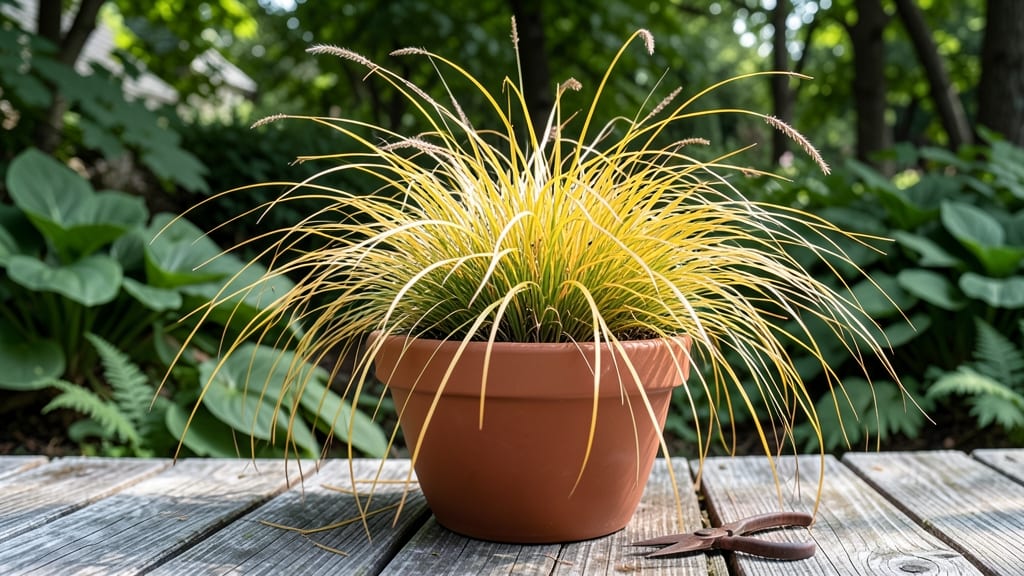
Japanese forest grass thrives in full sun 🌿 when you choose the right heat-resistant varieties and adjust care for the heat.
Struggling to keep Japanese forest grass vibrant in scorching summer heat? The right heat-resistant varieties can thrive in full sun—without wilting or turning brown.
Most gardeners assume these delicate-looking grasses need shade, but with the proper soil prep—think sand or perlite mixes—and a smart watering schedule, they can handle 6+ hours of direct sunlight daily.
In this guide, I’ll walk you through the top sun-tolerant varieties, pro tips for preventing heat stress, and how to fix common mistakes that turn your grass from lush to crispy.

Top 5 heat-resistant Japanese forest grass varieties for full sun gardens
If you love the cascading elegance of Japanese forest grass but dread the summer heat turning it crispy, you’re not alone. The good news? Some Hakonechloa macra varieties thrive in full sun while maintaining their lush, golden-green hues.
These heat-resistant cultivars are your secret weapon for sun-drenched gardens in USDA zones 5-9.
I’ve tested these top performers in my own 100°F+ summers, and they’ve never disappointed. Whether you’re designing a sunny border or a container garden, these varieties stay vibrant with minimal fuss. Let’s dive into the specifics—growth habits, color retention, and why they outperform others in heat.
Comparison Table: Heat-Resistant Japanese Forest Grass Varieties
| Variety | Color | Mature Height | USDA Zones | Heat Tolerance | Best For |
|---|---|---|---|---|---|
| ‘Aureola’ | Golden-yellow | 18–24" | 5–9 | Excellent | Containers, borders |
| ‘All Gold’ | Bright gold | 12–18" | 5–9 | Very High | Drought-prone areas |
| ‘Albo-Variegata’ | Cream/white stripes | 15–20" | 6–9 | High | Shade transition zones |
| ‘Nippon’ | Emerald green | 12–15" | 5–8 | Good | Woodland gardens |
| ‘Sunfire’ | Copper-orange | 18–24" | 6–9 | Very High | Hot, dry climates |
My top pick for full sun gardens is ‘Sunfire’, thanks to its copper-orange foliage that intensifies in heat. It’s the most drought-tolerant of the bunch, making it perfect for xeric landscapes or low-water gardens.
If you prefer classic golden hues, ‘Aureola’ is a close second—it’s equally heat-hardy and cascades beautifully over container edges.
For a softer look, ‘Albo-Variegata’ delivers creamy-white stripes that stay crisp even in afternoon sun. Its variegated pattern adds texture to mixed borders, and it handles partial shade too if your garden gets intense afternoon heat.
I’ve seen it thrive in USDA zone 9 with minimal care.
If you’re in a cooler zone (5–6), ‘Nippon’ is a reliable choice. Its deep green color stays vibrant even when other varieties fade. It’s not as heat-tolerant as the others but excels in humid climates where
Pro tips for growing Japanese forest grass in full sun without burnout
Japanese forest grass (Hakonechloa macra) typically thrives in partial shade, but with the right strategies, you can grow it successfully in full sun. The key lies in soil prep, water management, and protecting it from intense afternoon rays.
I’ve grown this grass in hot climates (USDA Zone 7b) and learned these essential tricks to keep it lush and vibrant.
First, focus on well-draining soil with a sand/perlite mix to prevent root rot. Japanese forest grass hates soggy roots, so amending your soil with coarse sand or perlite (20-30% by volume) is a game-changer.
This mimics its natural habitat in rocky, well-aerated forests. Pair this with a mulch layer of 2-3 inches to retain moisture while keeping roots cool.
- 1 Water deeply 2-3x weekly in full sun, focusing on morning watering to reduce evaporation. Avoid overhead sprinklers that can scorch leaves.
- 2 Use shade cloth (30-50%) for afternoon sun (1 PM–5 PM) to block intense UV rays. Secure it 2-3 feet above the plant to avoid touching foliage.
- 3 Prune in early spring to remove dead fronds and encourage new growth. Cut back by 1/3 of the plant’s height to improve airflow and reduce heat stress.
- 4 Fertilize lightly in spring with a balanced 10-10-10 fertilizer (1 tbsp/plant). Avoid summer feeding, as it can stress the plant during peak heat.
- 5 Monitor for heat stress (yellowing or crispy edges) and adjust care immediately. Move potted plants to shadier spots during heatwaves if possible.
For watering schedules, I’ve found that deep soakings 2-3 times per week work best in full sun. Water at the base of the plant rather than overhead to prevent leaf burn.
If your area experiences drought conditions, consider installing a drip irrigation system to deliver consistent moisture without wasting water.
When it comes to pruning, timing is everything. I always prune my Japanese forest grass in early spring before new growth begins. Use clean, sharp shears to cut back 1/3 of the plant’s height, removing any brown or damaged fronds.
This not only keeps the plant looking tidy but also improves airflow, reducing the risk of fungal issues in humid conditions.
Finally, don’t underestimate the power of shade cloth. If your garden experiences intense afternoon sun (especially in zones 8 and above), a 30-50% shade cloth can make all the difference.
I’ve seen dramatic improvements in plant health by shielding my grass from the harshest sunlight hours. Just remember to remove it in cooler months to allow full sun exposure.
With these strategies, your Japanese forest grass will stay lush and healthy even in full sun. The secret is balancing care—good soil, smart watering, and protection from extreme heat. Happy gardening! 🌿