
Shrubs
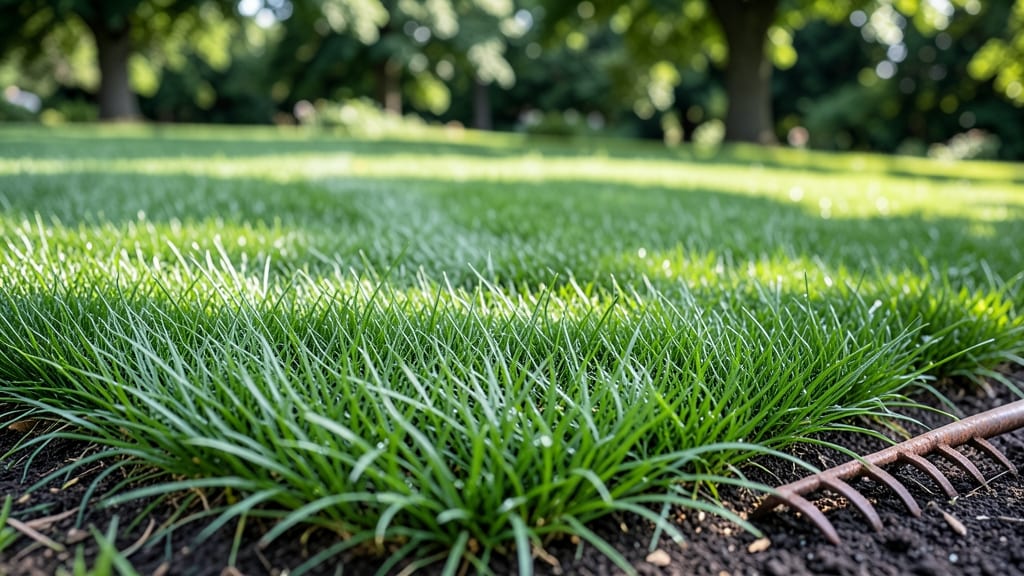
If you imagine all the grasshoppers are removed and excluded from a scene, you’re forcing a radical shift in the ecosystem—where once there was a chorus of rustling wings and buzzing energy, now there’s eerie silence, struggling plants deprived of pollination, and starving predators like birds and lizards. This absence forces writers to invent new survival strategies, unnatural balances, and haunting details that make the world feel alive in its own unsettling way.
Grasshoppers aren’t just background noise—they’re a critical part of the food chain and plant life.
Without them, flowers and crops would wilt from lack of pollination, and the sudden disappearance of a key food source would send predators scrambling for alternatives. 🌿 This ecological void creates a perfect storm for creative tension: characters might notice the unnatural quiet first, or scientists in your story could race to explain why the insects vanished.
The challenge becomes even richer when you consider how humans or other creatures might exploit—or fail to adapt to—this gap.
To make this absence feel vivid, focus on the sensory details that grasshoppers usually provide: the rhythmic chirping that fades into silence, the way plants look stunted without their pollinators, or how animals behave when their usual meals disappear.
You could even weave in a scientific or cultural explanation—maybe the grasshoppers were eradicated by a pesticide, or a myth explains their sudden absence as a curse. The key is to make the reader feel the imbalance, not just describe it.
💡 In This Article
- Ecological Impact of Removing Grasshoppers in Fiction
- Writing Techniques to Highlight Grasshopper Absence
Ecological impact of removing grasshoppers in fiction
Grasshoppers play a surprisingly vital role in ecosystems, acting as both pollinators and a critical food source. In nature, they contribute to pollination for over 1,800 plant species, including crops like alfalfa and vegetables.
Without them, plants would suffer from reduced fertilization, leading to stunted growth or failed crops—a detail that could create tension in a story where characters depend on agriculture. 🌱 The absence would also trigger a cascade effect: birds, lizards, and small mammals that rely on grasshoppers as a primary protein source would face starvation, forcing them to migrate or adapt in ways that could become plot points.
Soil health would deteriorate too. Grasshoppers help break down organic matter, and their absence would reduce nutrient cycling, making the ground less fertile. Writers could explore this by describing how fields turn barren or how farmers struggle with unexplained crop failures.
The silence alone would be telling—no more evening chorus of chirping, just an unnatural quiet that characters might interpret as a sign of impending disaster. This ecological void creates opportunities to introduce invasive species or human-made solutions, like artificial pollinators or genetically modified crops, adding layers to your worldbuilding.
The ripple effects don’t stop there. Predators higher up the food chain, such as snakes and foxes, would experience population declines, further destabilizing the ecosystem.
Characters in your story might notice these changes firsthand: a child pointing out that "the birds aren’t singing like they used to," or a scientist documenting the sudden die-off of certain species. These observations could serve as early warnings of a larger crisis, deepening the stakes of your narrative.
The challenge becomes how to make these shifts feel organic and immersive, not just plot devices.
Consider the sensory deprivation this absence creates. Grasshoppers contribute to the ambient noise of nature, their rustling and chirping creating a familiar soundtrack. Removing them would leave an eerie silence that characters—and readers—would feel acutely.
You could amplify this by describing how other sounds, like wind or distant traffic, suddenly feel louder in contrast. This sensory shift forces writers to focus on what’s missing, making the world feel unsettlingly different. The absence becomes a character in itself, driving the story forward.
To ground these effects in realism, research how specific ecosystems rely on grasshoppers. For example, prairie landscapes depend heavily on their pollination and seed dispersal.
By removing them, you’re essentially disrupting the balance of an entire biome—something that could inspire a post-apocalyptic or dystopian setting where nature itself is fighting back.
The key is to weave these ecological truths into your story in a way that feels authentic, whether through scientific explanations, cultural myths, or the reactions of your characters to a world that no longer makes sense.
For instance, imagine a character who notices that certain flowers aren’t producing seeds, or that the local bird population is declining. These details could lead to a mystery: Was the disappearance of grasshoppers caused by pollution, a natural disaster, or something more sinister?
The ecological impact becomes a puzzle to solve, adding depth to your world and giving readers a reason to care about the consequences of this absence. The challenge is to make these changes feel inevitable and terrifyingly plausible.