
Lawn
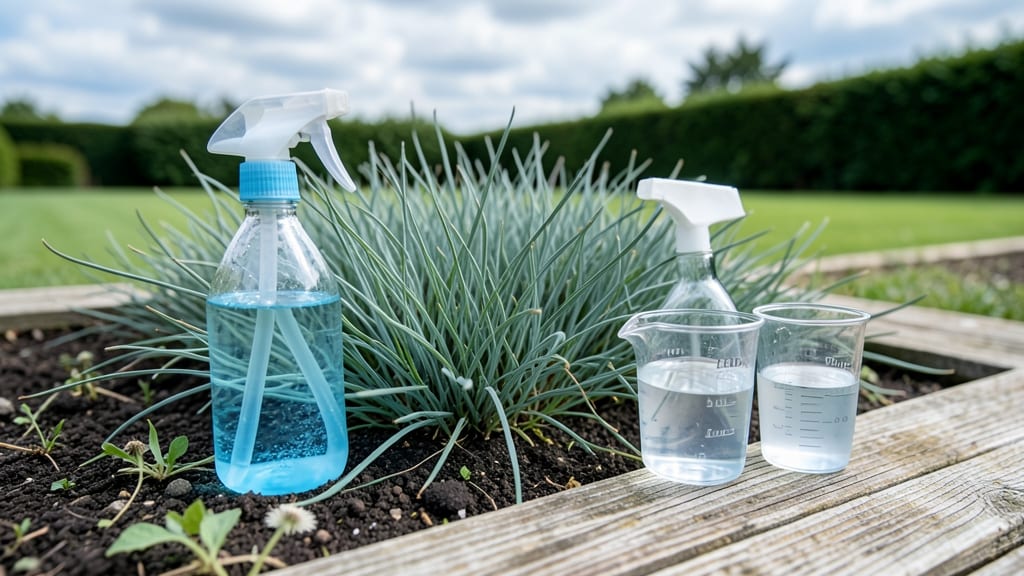
Applying hydrogen peroxide to grass can effectively kill weeds and sanitize soil when used at the right concentration—typically a 3% solution mixed 1:1 with water—but improper use may harm healthy grass by depleting nutrients and disrupting beneficial soil microbes. Always spot-test a small area first.
Hydrogen peroxide works as a natural oxidizer that breaks down weed cell walls while also sterilizing soil pathogens. 🌱 The key is the 1:1 dilution—undiluted peroxide can bleach grass blades and create oxygen bubbles that suffocate roots.
I recommend applying it on a dry, sunny morning when temperatures are above 50°F for best results. For stubborn weeds, a second treatment may be needed, but healthy grass should recover within 2-3 weeks if soil moisture is maintained.
This method is particularly useful for organic lawn care enthusiasts, as it avoids synthetic herbicides. However, it’s not a long-term solution—repeated use can alter soil pH over time. Always water the lawn thoroughly after treatment to help neutralize any residual peroxide in the soil.
💡 In This Article
- How Hydrogen Peroxide Affects Grass and Soil Chemistry
- Step-by-Step Guide to Safely Applying Hydrogen Peroxide on Lawns
How hydrogen peroxide affects grass and soil chemistry
Hydrogen peroxide works by releasing oxygen molecules that oxidize organic matter on contact. When you spray a diluted solution on grass, the active oxygen breaks down weed cell membranes, causing them to collapse and die within 24-48 hours.
This same reaction sterilizes soil by eliminating fungi, bacteria, and pathogens—but it also targets beneficial microbes that help grass roots absorb nutrients. The process is similar to how bleach whitens fabrics, but far less aggressive when properly diluted.
The pH impact is subtle but critical. Pure hydrogen peroxide has a pH of around 3.5-4.5, making it mildly acidic. While this won't drastically alter soil pH, repeated applications can acidify the top layer, stressing grass roots already weakened by oxidation.
Most lawns maintain a healthy pH between 6.0-7.5, so the goal is to use just enough peroxide to kill weeds without pushing the soil chemistry out of balance. Think of it like giving your lawn a strong antiseptic wash—effective for cleaning, but not something you'd want to overdo.
Dilution is the key to avoiding turf burn. A 3% hydrogen peroxide solution (the strength you'd find in most drugstore bottles) needs to be mixed 1:1 with water for safe application.
This reduces the concentration to about 1.5% active oxygen, which is strong enough to kill weeds but weak enough to prevent bleaching. Without dilution, the peroxide would create oxygen bubbles that suffocate grass roots by blocking oxygen uptake—a process called "oxidative stress."
It's like trying to breathe through a straw that keeps getting narrower.
Soil microbes play a surprising role in this process. While hydrogen peroxide eliminates harmful pathogens, it also temporarily reduces populations of beneficial bacteria and mycorrhizal fungi that help grass roots access nitrogen and phosphorus.
These microbes typically rebound within 2-4 weeks if soil conditions remain stable, but heavy or frequent use can delay recovery. The trade-off is that this disruption often creates an environment where grass outcompetes weeds more effectively—like clearing out a crowded room to give your favorite plant more space to grow.
Temperature and sunlight amplify the reaction. On sunny days above 50°F, the peroxide breaks down faster, releasing oxygen more aggressively. This is why professionals recommend applying it in the morning when dew has evaporated but before midday heat sets in.
In cooler weather, the process slows down, requiring longer contact time with weeds. You'll notice the grass may look slightly yellowed for 3-5 days after treatment—a sign the peroxide is working, not that your lawn is dying. It's like seeing temporary discoloration after a strong hair bleach treatment.
One often overlooked factor is how hydrogen peroxide interacts with other lawn treatments. Mixing it with iron sulfate (for moss control) or synthetic fertilizers can create chemical reactions that reduce its effectiveness. Always apply peroxide as a standalone treatment, waiting at least 2 weeks after other applications.
This chemical caution is similar to how some medications interact when mixed—better safe than sorry when dealing with your lawn's health.
The bottom line is that hydrogen peroxide offers a targeted chemical-free approach to weed control, but it requires careful balance. Used correctly, it's like having a precision scalpel in your gardening toolkit—capable of making clean cuts without causing collateral damage.
The key is understanding where to apply it, how much to use, and when to let your lawn recover. 🌱