
Planting
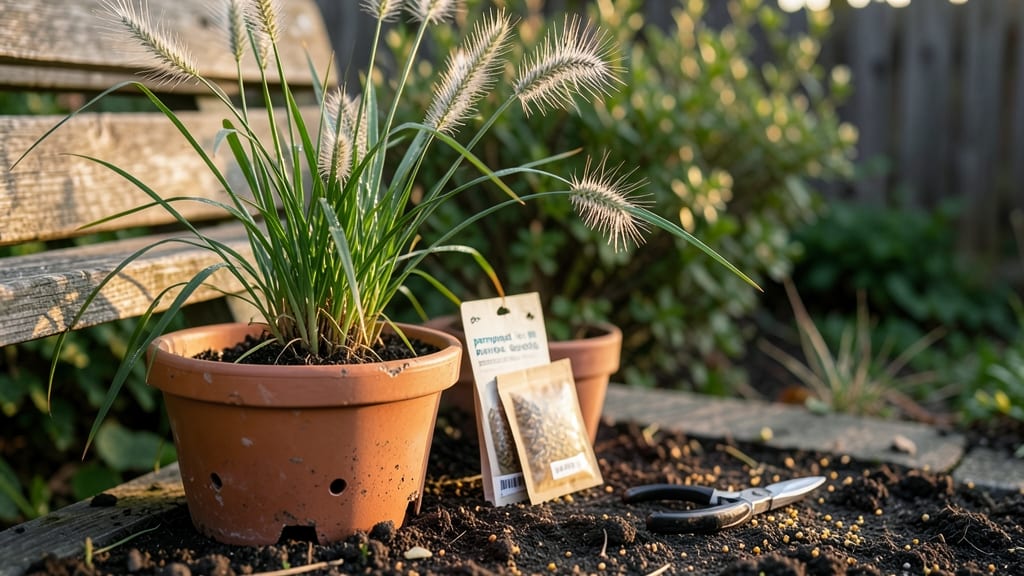
Planting pampas grass seeds outside starts with cool-season timing—spring or fall when soil temps hover between 50-65°F and moisture stays consistent. 🌱 I’ve watched these seeds transform from stubborn specks to towering, frost-resistant beauties, and the secret lies in patience and prep work that mimics their native, wind-scoured habitats.
The soil needs to be loose and sandy (never clay-heavy), mixed with perlite or coarse sand to improve drainage—pampas grass hates soggy roots. Scatter seeds ¼-inch deep and 6-12 inches apart; they’re tiny, so a light dusting of sand helps visibility.
A thin layer of mulch (straw, not wood chips) keeps moisture steady without smothering them. Germination takes 2-4 weeks—longer if seeds are old or soil’s too dry. Keep the area evenly moist (not soaked) and avoid disturbing the soil.
Once seedlings appear, they’ll grow fast, but their fluffy plumes take 2-3 years to reach full drama. For faster results, soak seeds in water for 24 hours before planting.
If germination stalls after 6 weeks, try a warm stratification trick: place seeds in a sealed bag with damp sand in the fridge for 4 weeks before replanting. Patience pays off—these grasses reward you with year-round interest and zero pest problems.
📚 In This Guide
- What you need
- Instructions
- Tips and common mistakes
- Wrapping up and next steps
What you need
- ● Pampas grass seeds – 1–2 lbs (adjust based on desired coverage; ~1 lb covers ~100 sq ft). Choose Cortaderia selloana for classic fluff!
- ● Well-draining soil mix – 5–10 cubic feet (blend garden soil with sand or perlite for aeration; pampas grass hates soggy roots!).
- ○ Compost or organic fertilizer – 2–3 lbs (optional but boosts germination; use a balanced 10-10-10 or low-nitrogen formula).
- ● Seed-starting tray or shallow container – 10x20 inches (with drainage holes) or a prepared outdoor bed (if planting directly).
- ● Plastic wrap or humidity dome – 1 sheet (to retain moisture during germination).
- ● Spray bottle or watering can – With a fine mist nozzle (gentle watering = happy seeds!).
- ● Gloves and long sleeves – Pampas grass seeds have tiny barbs—protect your skin!
- ● Hand trowel or planting fork – For digging shallow furrows (¼ inch deep).
- ● Rake or hoe – To loosen soil before planting.
- ● Measuring tape or ruler – Space seeds 6–12 inches apart (thinner for fuller growth).
- ● Pruners or scissors – For trimming dead foliage later (not needed now, but good to have!).
- ○ Mulch (optional but helpful) – Straw or pine needles (1–2 inches thick) to retain moisture.
- ● Sunlight – A full-sun location (6+ hours of direct light daily). Partial shade works but may reduce fluffiness.
- ● Climate timing – Plant seeds after the last frost (spring/summer in most zones; USDA Zones 7–10 are ideal).
- ● Patience – Germination takes 2–4 weeks (sometimes longer). Stay consistent!
Step-by-step instructions for planting pampas grass seeds outside
Fast germination starts with the right timing and soil prep—here's my proven method.
🌱 Step 1: Choose the Right Time and Location
Pampas grass thrives when planted in early spring or late summer, avoiding extreme heat or frost. The ideal air temperature for germination is between 60-75°F, so check your local frost dates and plan accordingly. I always aim for 4-6 weeks before the last frost in spring to give seedlings time to establish roots.
Select a location with full sun exposure (6+ hours daily) and well-draining soil. Pampas grass hates soggy roots, so avoid low spots where water pools. If your soil is heavy clay, mix in 2-3 inches of compost to improve drainage before planting—this prevents root rot, which is the #1 killer of young plants.
🌱 Step 2: Prepare the Soil and Plant Seeds
Loosen the top 6-8 inches of soil with a garden fork or tiller to break up compaction. Pampas grass seeds need good soil contact for germination, so rake the surface smooth afterward. Scatter seeds ¼ inch deep—any deeper and they won’t have enough energy to push through. I like to space them 12-18 inches apart to allow room for growth.
Cover seeds lightly with soil, then water gently with a fine spray nozzle until the surface is evenly moist. Avoid heavy watering, which can bury seeds too deep or wash them away. If planting in a windy area, press a small mesh screen over the seeds to keep them in place until germination.
💧 Step 3: Maintain Moisture and Monitor Germination
Keep the soil consistently moist but not soggy for the first 4-6 weeks—this is critical for fast germination. Water deeply every 2-3 days until the top inch of soil feels damp to the touch. Use a moisture meter if possible, as overwatering can suffocate seeds. Once seedlings emerge, reduce watering to once weekly unless rainfall is insufficient.
Germination typically takes 2-4 weeks, depending on temperature and soil conditions. You’ll know it’s happening when you see the first thin, grass-like shoots breaking through the soil. Be patient—some seeds may take longer, but don’t give up until 6 weeks has passed. If you planted in late summer, germination may slow in cooler weather.
☀️ Step 4: Thin Seedlings and Provide Support
When seedlings reach 3-4 inches tall, thin them to 12-18 inches apart to give each plant ample space to develop. Use sharp scissors to snip unwanted seedlings at soil level—pulling can disturb roots. This step ensures strong, healthy growth rather than crowded, weak plants. I always thin on a cloudy day to reduce stress on the remaining seedlings.
Pampas grass grows tall and fluffy, so provide support early. If planting in a windy area, stake young plants with 3-foot bamboo stakes tied loosely to the stems. Avoid tying too tightly, as the stems will thicken as they grow. Once established, the plants will stand on their own, but early support prevents flopping and breakage.
✂️ Step 5: Care for Mature Plants and Encourage Frost Resistance
After the first growing season, pampas grass develops a strong root system that makes it highly frost-resistant. However, young plants benefit from a 2-inch layer of mulch in late fall to protect roots during winter. I use shredded bark or straw, keeping it 6 inches away from the base to prevent rot. In USDA Zones 8-10, plants may need winter protection for the first 2 years.
Prune mature plants in late winter or early spring before new growth begins. Cut back dead foliage to 6 inches above the ground to encourage fresh, fluffy growth. Avoid cutting into the woody base, as this can harm the plant. With proper care, your pampas grass will develop its signature feathery plumes by mid-summer, ready to add texture and drama to your landscape.
Tips & tricks for planting pampas grass seeds outside
Fast germination isn't luck—it's strategy. These insights will help you avoid the most common pitfalls while maximizing your pampas grass's potential for fluffy, resilient growth.
Timing is Everything: The 60-75°F range is non-negotiable for germination. If your spring planting falls outside this window, consider starting seeds indoors under grow lights 4-6 weeks before transplanting. I've found that seedlings transplanted at 3-4 inches tall establish faster than direct-sown seeds in cooler conditions. This gives you a safety net if Mother Nature isn't cooperating with your planting timeline.
Soil Science Matters: That 2-3 inches of compost recommendation isn't just about drainage—it's about creating the perfect microbial environment. Pampas grass seeds need beneficial fungi in the soil to help them break down their tough outer shells. Mix in a handful of worm castings with your compost for an extra boost. The worms' castings contain natural growth hormones that stimulate seedling development, which is why your plants might germinate faster than expected.
Watering Wisdom: The "consistently moist but not soggy" guideline is harder to execute than it sounds. I've learned to check soil moisture by feeling the top inch—it should feel like a wrung-out sponge. For precise control, use a moisture meter (they're inexpensive and save you from overwatering). If you're using rainwater, let it sit for 24 hours first to allow chlorine to dissipate, as chlorine can inhibit germination.
Thinning Technique: When those seedlings reach 3-4 inches, resist the urge to pull them—always snip at soil level with clean scissors. The roots of pampas grass are surprisingly delicate at this stage, and pulling can trigger a fungal infection called damping-off. I've seen entire seedling batches lost this way. Cloudy days are perfect for thinning because the reduced light stress helps the remaining plants recover faster from the shock of being crowded.
Pro Tips for Plant Pampas Grass Seeds Outside
- Fast germination isn't luck—it's strategy.
- Timing is Everything: The 60-75°F range is non-negotiable for germination.
- Soil Science Matters: That 2-3 inches of compost recommendation isn't just about drainage—it's about creating the perfect microbial environment.
Frequently asked questions
Got questions about growing pampas grass from seeds? Here are some of the most common ones—and their answers—to help you succeed!
When is the best time to plant pampas grass seeds outdoors?
Plant seeds in early spring (after the last frost) or late summer (6–8 weeks before the first frost). Avoid planting in extreme heat or cold, as seeds need consistent soil moisture (around 60–70°F) to germinate. If you’re in a warm climate, fall planting works too—just keep soil damp until germination!
How long does it take for pampas grass seeds to germinate?
Germination can take 2–6 weeks, depending on conditions. Seeds sprout faster in warm, moist soil with indirect sunlight. If your seeds don’t sprout in 6 weeks, they may need stratification (a cold treatment) or could be old. Check seed viability by soaking a few in water—if they sink, they’re likely good!
Can pampas grass grow in cold climates? What about zones?
Yes! Pampas grass thrives in USDA Zones 7–10 but can survive brief cold snaps (down to 10°F) once established. For colder zones (5–6), plant seeds in containers and overwinter indoors, then transplant outdoors in spring. Young plants are frost-sensitive, so protect them with mulch or row covers until roots establish.
What if my pampas grass seeds don’t sprout? Troubleshooting tips?
Try these fixes if germination fails:
- Check seed viability: Test a few seeds in water (floaters = bad). Buy fresh seeds if needed.
- Adjust moisture: Keep soil consistently damp (not soggy) with a spray bottle or misting.
- Try stratification: Place seeds in a damp paper towel in the fridge for 4–6 weeks before planting.
- Light conditions: Seeds need bright, indirect light—avoid direct sun until sprouts appear.
- Patience: Some seeds take up to 3 months to germinate!
Are there faster alternatives to growing pampas grass from seed?
If you want quicker results, consider:
- Transplants: Buy 1–2 year-old nursery plants (they’ll bloom faster but cost more).
- Division: Split mature clumps in early spring and replant sections.
- Cutting propagation: Root hard stems in water or soil (though this method is less reliable).
Wrapping up and next steps
Planting pampas grass seeds outside is a rewarding way to add dramatic texture and resilience to your garden—just remember, patience is key! With the right soil prep, timing, and care, you’ll soon enjoy those fluffy plumes swaying in the breeze.
Once your seeds sprout and establish, don’t forget to mulch and water consistently to keep them thriving.
Ready to watch your garden transform? Start small—try a few seeds in a sunny spot—and soon, you’ll be the envy of the neighborhood with your frost-resistant beauty! 🌿✨