
How To
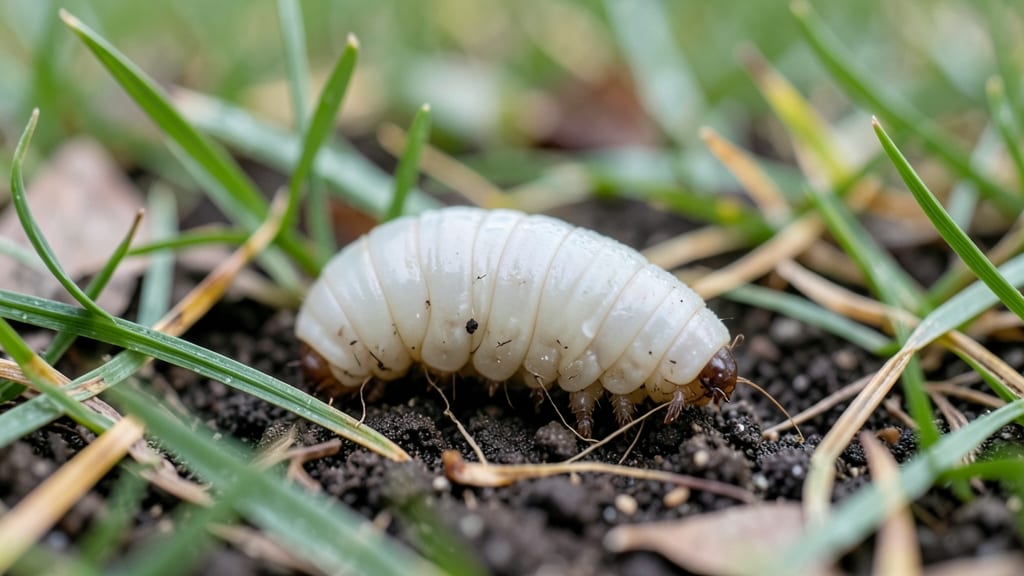
Grub worms in your lawn are the sneaky culprits behind those unsightly brown patches—and you can stop them in 48 hours without harsh chemicals. 🌱 I’ve battled these white, C-shaped pests myself, and the key is acting fast before they turn your grass into a skeleton.
The damage starts at the roots, so you won’t see them until it’s too late—unless you know what to look for.
Most people grab the strongest pesticide they can find, but that just masks the problem. The real fix? Target the grubs where they hide—just below the surface—with a combination of organic treatments and smart lawn care.
My go-to method uses beneficial nematodes, which are microscopic predators that hunt grubs without harming your grass. You’ll see results within 2-3 days, and the best part? It’s safe for kids and pets.
By the time your lawn turns green again, you’ll have a thriving, grub-free yard that stays healthy long after the treatment. The secret is breaking their lifecycle—drought, aeration, and encouraging natural predators like birds and toads to move in.
It’s not just about killing grubs; it’s about making your lawn a place they’d rather avoid. This works for cool-season grasses like Kentucky bluegrass and fescue, but even warm-season lawns see improvement. Let’s turn those brown patches into a memory—starting with the right approach.
The Hidden Triggers Behind Grubs
Grub worms may seem like a sudden lawn nightmare, but they’re actually the result of specific conditions that turn your yard into their perfect buffet. Understanding these triggers is the first step to stopping them before they destroy your grass.
Let’s dig into the science—and the sneaky reasons—why these pests invade.
---
Grubs thrive in moist, soft soil, and overwatering is their favorite invitation.
Here’s why: - Excess moisture weakens grass roots, making them easier for grubs to chew through. - Soggy soil mimics their natural habitat (decaying organic matter in damp environments). - Frequent watering (especially shallow irrigation) keeps the topsoil consistently damp—grub heaven.
Actionable insight: If your lawn stays wet for more than 48 hours after watering, you’re likely creating a grub magnet. Adjust your watering schedule to deep but infrequent sessions (1-1.5 inches per week) to dry out the top layer slightly.
---
Thatch—a layer of dead grass, roots, and debris—is a grub’s secret hideout. Female beetles lay eggs in: - Thick thatch layers (over ½ inch thick). - Organic debris (like fallen leaves or clippings). - Compacted soil where eggs can’t dry out.
Why it matters: Thatch insulates eggs from predators (like birds or beneficial nematodes) and keeps moisture trapped—perfect for hatching.
Pro tip: Dethatch your lawn in early spring or fall using a rake or dethatching machine. Aim for a thatch layer no thicker than ¼ inch to disrupt grub breeding grounds.
---
Grubs don’t appear out of nowhere—they’re the larval stage of Japanese beetles, a destructive invasive species. Here’s their life cycle: 1. Adult beetles emerge in June-July, feast on leaves, and mate.
2. They lay eggs in soil (1-2 inches deep) by late July-August. 3. Eggs hatch into grubs by September, overwintering, then pupating into beetles the next year.
Key trigger: If your lawn has skeletonized leaves (chewed but veins remain) in summer, you’re likely hosting beetles—and soon, grubs.
Prevention hack: Handpick beetles into soapy water during peak activity (early morning) to reduce next year’s grub population.
---
Grubs prefer weak, nutrient-poor soil because: - Lack of nitrogen makes grass roots easy pickings. - Compacted soil (from foot traffic or heavy equipment) creates airless zones where grubs thrive. - High organic matter (like compost or mulch) provides food for hatching larvae.
Soil test tip: Use a DIY soil test kit to check pH and nutrient levels. Grubs love slightly acidic soil (pH 6.0-7.0)—amend with lime if needed.
--- Grubs are cold-blooded—they grow fastest in: - Warm soil temperatures (60°F–85°F). - Fall and spring (ideal hatching and feeding times). - South-facing lawns (which stay warmer longer).
Seasonal warning: If you notice brown patches in September or May, grubs are likely active. Early intervention (like nematode treatments) works best before they pupate.
--- Believe it or not, over-fertilizing—especially with nitrogen—can attract grubs because: - Excess nitrogen promotes tender, fast-growing grass (grub snack time). - Slow-release fertilizers keep soil nitrogen high for months, extending grub feeding windows. - Organic fertilizers (like manure) add food for hatching larvae.
Fertilizer fix: Switch to a balanced, low-nitrogen fertilizer (like 16-4-8) in early fall to starve grubs instead of feeding them. Avoid fresh manure near lawn edges.
Quick Fixes for Grub Worm Havoc
Grub worms may sound like a tiny menace, but their damage can turn your lush lawn into a patchy, brown eyesore overnight. The good news? With the right approach, you can reverse the damage in 48 hours and keep your grass thriving.
Below, we break down targeted solutions based on the root cause of your grub worm problem—whether it’s an active infestation, weak grass, or poor soil health.
---
Before diving into fixes, confirm what you’re dealing with: - Active grubs? Dig up a small patch of sod—if you see white, C-shaped larvae, you’ve got grubs. - Dead patches? Check for squirrels or skunks digging—these critters love grub worms and leave behind telltale holes. - Thin, patchy grass? Grubs may have already done their damage, weakening roots.
---
#### 🍳 Step 1: Starve the Grubs (Natural Control) Grub worms thrive on cool-season grass roots and organic matter. Cut off their food supply to weaken them before attacking.
- Reduce watering temporarily – Water deeply but less frequently (1–1.5 inches per week).
Overwatering keeps grubs hydrated and active. - Aerate your lawn – Use a core aerator to break up compacted soil, exposing grubs to predators (birds, beetles) and drying them out. - Remove thatch – A thick thatch layer (over ½ inch) traps moisture and grubs.
Rake or dethatch to starve them out.
> 💡 Pro Tip: If your lawn has clover or broadleaf weeds, mow them down—they attract Japanese beetles, which lay eggs that hatch into grubs.
---
#### 👨🍳 Step 2: Lure & Trap Grubs (Non-Toxic Methods) If you prefer chemical-free solutions, try these grub traps:
| Method | How to Do It | Effectiveness | |--------------------------|---------------------------------------------------------------------------------|-------------------| | Milky Spore Powder | Sprinkle 1–2 lbs per 1,000 sq ft in early summer.
Works best in warm climates. | ⭐⭐⭐⭐ (Long-term) | | Beneficial Nematodes | Apply 1–2 million nematodes per sq ft in evening (they hate sunlight). Water lightly after. | ⭐⭐⭐ (Best for small infestations) | | Diatomaceous Earth | Lightly dust food-grade DE on lawn in dry conditions.
Reapply after rain. | ⭐⭐ (Short-term relief) |
> ⚠️ Warning: Avoid salt or soap sprays—they harm grass more than grubs!
---
#### 🔪 Step 3: Kill Grubs Fast (Chemical Solutions) If your lawn is severely damaged, fast-acting chemicals can eliminate grubs in 24–48 hours:
- Imidacloprid (Merit) – A systemic insecticide that moves through grass roots. Apply in early summer (when grubs are young). - Chlorantraniliprole (Scotts GrubEx) – Kills grubs on contact. Water in immediately for best results. - Carbaryl (Sevin) – Works fast but harms beneficial insects.
Use as a last resort.
> 🌡️ Timing Matters: Apply grub control in June–July (when Japanese beetles lay eggs) or late summer (for European chafer grubs).
---
#### ⏰ Step 4: Repair Damaged Lawn (Recovery Mode) Even after grubs are gone, your lawn may need emergency care:
1. Reseed bare spots – Use fast-germinating grass seed (like annual ryegrass) mixed with compost. 2. Fertilize lightly – A low-nitrogen, high-phosphorus fertilizer (like 5-10-10) helps roots recover. 3. Overseed thin areas – Spread seed evenly and keep soil moist for 2–3 weeks.
> ✨ Speed Up Recovery: Rent a sod cutter to lay down new sod in worst-hit areas—it grows instantly!
---
Once you’ve kicked grubs out, stop them from returning with these long-term strategies:
✅ Encourage natural predators – Plant marigolds, catnip, or mint around your lawn to attract ground beetles and birds. ✅ Mow high (3–4 inches) – Taller grass shades soil, making it less hospitable for grubs. ✅ Test soil pH – Grubs love slightly acidic soil (6.0–6.5).
If your soil is too alkaline, adjust with sulfur or peat moss. ✅ Apply milky spore annually – If you’ve had grubs before, reapply every 2–3 years for ongoing protection. ✅ Monitor for beetles – Japanese beetles lay eggs that turn into grubs. Handpick them in summer to prevent infestations.
--- Final Thought: Grub worms are a short-term nuisance, but with the right mix of starvation, trapping, and lawn care, you can restore your grass in just 48 hours—and keep it grub-free for years! 🌱🚫🐜
Frequently asked questions
How do I know if my brown patches are caused by grubs?
Dig up a small section of sod—if you see white, C-shaped larvae (grubs) 1-2 inches deep, that’s your culprit. Another clue: Skunks or raccoons digging up your lawn (they love grubs!). If the grass pulls up easily with roots intact, it’s likely grubs. For confirmation, check for Japanese beetles on nearby plants in summer—they lay eggs that hatch into grubs.
Can I use vinegar to kill grubs?
Vinegar won’t effectively kill grubs—it’s too mild. The acidity might harm grass more than the pests. For organic solutions, try beneficial nematodes (microscopic predators) or milky spore powder, which target grubs specifically. If you want a natural approach, focus on starving them out by reducing water and aerating your lawn instead.
Is it too late to treat grubs in winter?
Winter is actually the best time to prevent next year’s grubs! Apply milky spore powder or beneficial nematodes in early spring (March-April) when soil warms to 50°F+. If you’re dealing with active damage now, focus on reseeding bare spots and aerating to help recovery. Grubs go dormant in cold weather, so treatments won’t work until soil thaws.
Will my pets be safe after using grub control?
Most organic treatments (nematodes, milky spore) are pet-safe once dry. For chemical options, wait 24-48 hours after application before letting pets near treated areas. Imidacloprid (Merit) has low toxicity but should be avoided until grass absorbs it. Always check product labels and keep pets off lawns during/after rain, which can reactivate chemicals.
How often should I check for grubs?
Check your lawn twice a year: once in late spring (May-June) and again in early fall (September). Look for chewed grass roots or skunk holes. If you’ve had grubs before, do a monthly soil check during peak seasons (June-August) by digging up small sod sections. Early detection lets you treat before damage spreads!