
Lawn
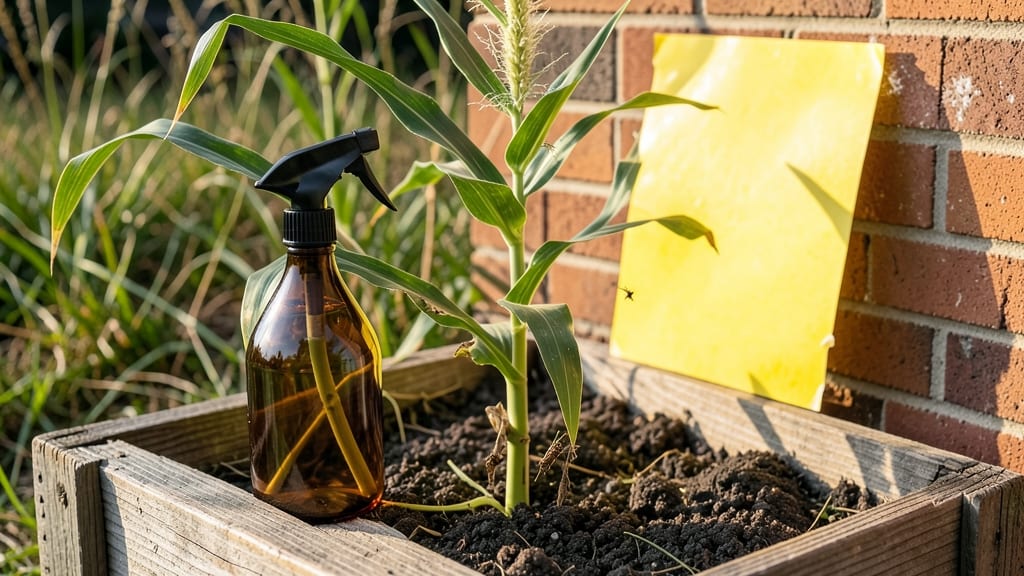
Grasshoppers can strip your garden bare in days—I’ve lost entire rows of veggies to these striped invaders, and I’m sharing the fastest, most effective ways to stop them without harsh chemicals. 🌱 The key isn’t just killing what’s there now, but breaking their life cycle before next season’s hatchlings arrive.
Start with neem oil sprays or soapy water—both disrupt their waxy outer layer and dehydrate them within hours. For larger infestations, diatomaceous earth (food-grade) works like sandpaper on their legs, but reapply after rain. I’ve seen entire swarms collapse after just one treatment when timed right.
You’ll notice a dramatic drop in damage within 24-48 hours, with plants recovering faster than you’d expect. The secret? Combine methods—spray in the evening, add beneficial nematodes to the soil, and plant grasshopper-repelling herbs like mint or catnip nearby.
This isn’t just a quick fix—it’s a long-term shield. Grasshoppers return every year, but with these steps, you’ll cut their numbers by 80%+ and protect your garden’s future harvests.
Root Causes Of Grasshopper Infestations
Grasshoppers may seem like a sudden nuisance, but their presence is rarely random. Understanding why they appear—and thrive—in your yard is the first step to effective, long-term control. These pests don’t just show up for fun; they’re drawn by specific conditions that make your lawn or garden an all-you-can-eat buffet.
Let’s break down the key factors that turn your green space into a grasshopper hotspot.
Grasshoppers are opportunistic eaters, and they prefer young, tender plants over mature grass. When your lawn is overgrown or dominated by weeds like crabgrass, clover, or dandelions, you’re essentially rolling out the welcome mat. Here’s why:
- Weeds = Easy Meals: Grasshoppers can’t digest tough, fibrous grass blades as easily as they can soft weed shoots. A lawn with 10-20% weed coverage is a grasshopper’s dream.
- Dense Foliage = Hiding Spots: Tall weeds create microclimates—shady, humid pockets where grasshopper eggs thrive. These spots also protect nymphs (baby grasshoppers) from predators like birds and spiders.
- Nutrient-Rich Soil = Faster Growth: Weeds often indicate poor soil health, which paradoxically makes them more nutritious for grasshoppers. Weeds like pigweed or smartweed are packed with proteins that fuel rapid grasshopper reproduction.
Actionable Insight: Mow high (3-4 inches) to shade out weeds, but remove clumps of weeds manually—they’re the grasshoppers’ favorite snack bars.
Grasshoppers are drought-loving pests. When your lawn is parched, it signals to them that food is scarce elsewhere, prompting them to migrate in. Here’s the science:
- Stressed Plants Emit Chemicals: Drought-stressed grass releases volatile organic compounds (VOCs) that attract grasshoppers. Think of it like a distress signal in the insect world.
- Hardpan Soil = Egg-Laying Paradise: Dry soil cracks and compacts, creating ideal conditions for egg pods. Grasshopper females burrow just 1-2 inches deep to lay eggs in moist soil—but if the topsoil is dry, they’ll target the edges of your lawn where moisture lingers.
- Less Competition = More Feasting: Dry conditions weaken other insects and predators (like ladybugs or lacewings), giving grasshoppers a monopoly on food sources.
Actionable Insight: Deep-water your lawn 1-2 times per week (1 inch per session) to encourage deep root growth. Avoid overwatering—soggy soil attracts different pests.
Grasshoppers aren’t the only players in your lawn’s ecosystem. When their natural predators decline, their populations explode. Here’s how it happens:
| Predator | Why They Disappear | Grasshopper Impact |
|---|---|---|
| Birds (e.g., sparrows, meadowlarks) | Loss of habitat (dense shrubs, berry bushes) or pesticide use. | Nymphs survive longer, leading to 50% more adults by summer. |
| Spiders (e.g., wolf spiders, jumping spiders) | Broad-spectrum insecticides kill spider populations. | Grasshopper eggs and nymphs face no ground-level threats. |
| Parasitic Wasps | Over-fertilization disrupts soil microbes that support wasp larvae. | Grasshopper eggs hatch uninterrupted, increasing survival rates. |
| Toads & Frogs | Drying ponds or chemical runoff eliminates breeding sites. | Adult grasshoppers double in numbers without amphibian control. |
Actionable Insight: Install a birdhouse or bat box, leave leaf litter in garden edges (spiders love it), and avoid neonicotinoid pesticides—they’re toxic to predators.
Grasshoppers are cold-blooded, meaning they rely on external heat to metabolize and reproduce. Your yard might be an accidental grasshopper sauna:
- South-Facing Lawns = Hotspots: Direct sunlight heats soil to 90°F+, speeding up grasshopper development. Eggs hatch 2-3 weeks faster in warm soil.
- Rocky or Gravel Areas = Egg Havens: These spots retain heat and provide loose soil for females to lay eggs. A single female can deposit up to 200 eggs in a gravel bed!
- Urban Heat Islands: Pavement and buildings trap heat, creating microclimates 10°F warmer than rural areas—perfect for grasshopper breeding.
Actionable Insight: Plant shade trees (e.g., cottonwood, oak) on the south side of your yard to cool soil temperatures. Mulch garden beds with straw or wood chips to regulate heat.
Grasshoppers don’t just appear—they’re drawn by a perfect storm of food, shelter, and ideal conditions. The good news? By addressing these root causes, you’re not just treating the symptoms—you’re starving out the problem at its source.
Natural Ways to Control Grasshopper Outbreaks
Now that you understand why grasshoppers invade your lawn and garden, it’s time to take action! These solutions are tailored to address the root causes—whether it’s overgrown vegetation, poor water management, or a lack of natural predators—while keeping your yard healthy and pest-free.
The best part? Most of these methods are eco-friendly, budget-friendly, and easy to implement without harsh chemicals.
Grasshoppers thrive in tall, unkempt grass and dense weeds because these provide shelter, food, and breeding grounds. Prevent overcrowding by keeping your lawn well-maintained.
How to Fix It:
- Mow regularly (set your mower to 3–4 inches high) to remove hiding spots and food sources. 🔪
- Edge your lawn to eliminate tall grass along fences or driveways—grasshoppers love these transition zones.
- Remove weeds (especially broadleaf varieties like lamb’s quarters) by hand-pulling or spot-treating with vinegar-based herbicides (for organic control).
- Rake up clippings after mowing to reduce organic matter that attracts pests.
💡 Pro Tip: If your lawn is already overgrown, gradually reduce the height over 2–3 weeks to avoid shocking the grass.
Grasshoppers are drawn to damp, lush environments where their eggs can survive through winter. Overwatering or poor drainage creates the perfect breeding ground.
How to Fix It:
- Water deeply but less frequently—aim for 1–1.5 inches per week (including rainfall) to encourage deep root growth and reduce surface moisture. ⏰
- Fix drainage issues by aerating compacted soil or redirecting water away from low-lying areas.
- Water in the early morning (before 10 AM) to allow grass to dry quickly, making it less appealing to grasshoppers.
- Avoid standing water—empty birdbaths, clogged gutters, and low spots after rain to deter egg-laying.
🌡️ Warning: If your area experiences flooding or excessive rain, grasshoppers may swarm—stay vigilant and monitor for signs of infestation.
Grasshoppers have many natural enemies, but urban landscapes often lack these predators. Encourage birds, spiders, and beneficial insects to keep populations in check.
How to Fix It:
- Install birdhouses and bat boxes—birds like meadowlarks, sparrows, and swallows feast on grasshoppers, while bats hunt them at night. 🐦
- Plant native flowers (e.g., milkweed, sunflowers, or coneflowers) to attract ladybugs, lacewings, and parasitic wasps, which prey on grasshopper eggs and nymphs.
- Create a "bug hotel" with sticks, leaves, and hollow stems to support spiders and ground beetles, which devour grasshopper nymphs.
- Avoid pesticides—even "safe" ones can harm beneficial insects. Opt for neem oil or insecticidal soap as a last resort.
✨ Bonus: Ducks or chickens can be a fun (and effective) addition to your yard—just ensure they’re contained in a secure pen!
If you catch grasshoppers early, physical barriers and traps can prevent them from settling in.
How to Fix It:
- Surround vulnerable plants with fine mesh netting (like tulle or hardware cloth) to block adult grasshoppers from laying eggs. 🕷️
- Set up beer traps (bury a container filled with beer—grasshoppers are attracted to the yeast and drown). Works best in small, contained areas.
- Use sticky traps (yellow or green) near entry points (e.g., garden edges) to catch hoppers before they spread.
- Handpick nymphs (the smaller, wingless stage) in the morning when they’re sluggish. Drop them into soapy water to dispose of them humanely.
🎯 Targeted Approach: Focus on newly hatched nymphs—they’re easier to control than adults!
If grasshoppers have already taken over, natural repellents can help without harming your lawn or ecosystem.
How to Fix It:
- Neem oil spray (mix 2 tbsp neem oil + 1 tsp mild soap + 1 quart water). Spray early morning or late evening to avoid harming bees. 🌿
- Garlic or chili pepper spray (blend garlic, cayenne pepper, water, and dish soap; strain and spray). Grasshoppers dislike the strong scent.
- Diatomaceous earth (food-grade)—sprinkle lightly around plants. It dehydrates insects but is safe for pets once settled.
- Kaolin clay (a natural mineral) creates a protective film on plants, making them less appetizing to grasshoppers.
🔥 Caution: Reapply after rain, as these sprays wash away.
The best defense is a strong offense—implement these habits to deter grasshoppers before they become a problem.
- Rotate crops in your garden to disrupt grasshopper life cycles. - Plant grasshopper-resistant plants like marigolds, basil, or lavender—their strong scents repel pests. - Encourage healthy soil with compost and mulch—strong plants are less appealing to feeders. - Monitor egg-laying sites (look for small holes in soil in late summer/fall) and disturb them with a rake before eggs hatch. - Check neighboring properties—grasshoppers don’t respect borders!
Coordinate with neighbors for regional control efforts.
Final Thought: Grasshoppers may seem like a lost cause, but with consistent maintenance, natural predators, and smart prevention, you can keep your lawn lush and hopper-free—without resorting to chemicals. Start with one or two methods this week and observe the difference! 🚀
Frequently asked questions
How quickly will I see results after using natural repellents?
Most natural methods like neem oil or diatomaceous earth show noticeable effects within 24-48 hours for active infestations. For prevention (like planting repellent herbs), you'll see benefits over 2-4 weeks as grasshoppers avoid treated areas. The key is consistency—reapply after rain or every 5-7 days during peak season.
Can I use these methods safely around pets and kids?
All recommended solutions are pet-safe once settled (like diatomaceous earth) or completely non-toxic (like kaolin clay). For sprays, choose neem oil or soapy water over chemical options. Always apply in the evening when kids/pets aren't playing in treated areas, and keep them out for 2 hours after application.
What's the best time of year to prevent grasshopper infestations?
Start in late summer (August-September) when females lay eggs. Focus on:
- Raking disturbed egg sites
- Planting repellent herbs
- Setting up birdhouses Early spring is also critical—target nymphs (baby grasshoppers) before they mature, as they're easier to control than adults. Fall prevention reduces next year's population by 70-80%.
Will my neighbors' grasshoppers affect my yard?
Yes! Grasshoppers don't respect property lines—they'll migrate up to 10 miles in search of food. Coordinate with neighbors by:
- Planting repellent borders together
- Sharing natural predator habitats (like birdhouses)
- Reporting severe infestations to local agricultural extensions A regional approach creates a barrier that's harder for them to cross.
What should I do if grasshoppers are already eating my plants?
Act fast with a two-pronged approach:
- Immediate damage control: Cover vulnerable plants with fine mesh netting and handpick nymphs (drop in soapy water)
- Long-term fix: Apply kaolin clay or neem oil while encouraging predators (birds/spiders) For severe cases, combine diatomaceous earth with beer traps—this disrupts their life cycle while reducing visible damage within 3-5 days.