
Pests
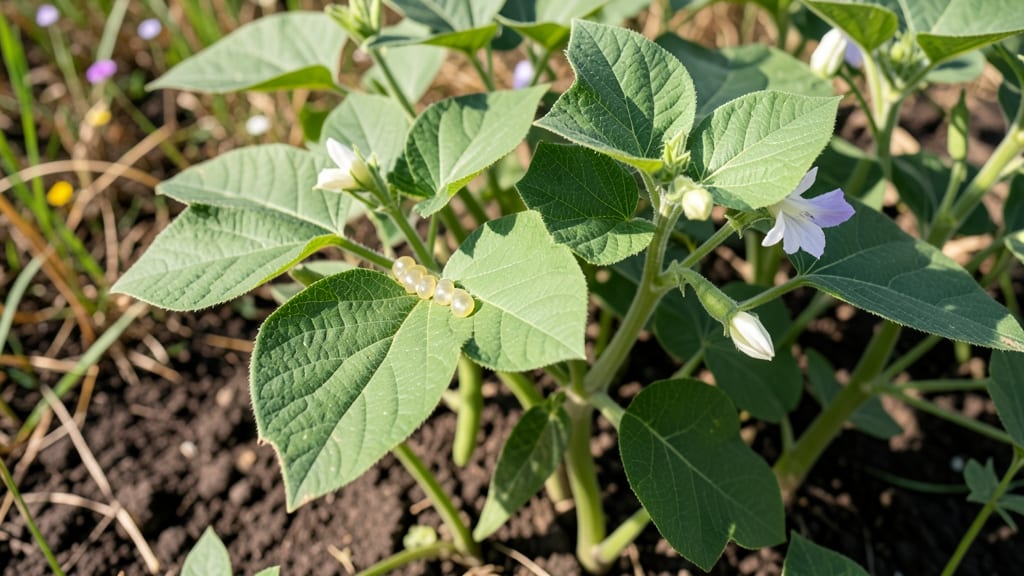
Grasshopper eggs on leaves mean your plants are under siege before the nymphs even hatch. 🌱 I’ve seen entire rows of seedlings devoured overnight, but there’s a simple trick to catch them early—before they become a full-blown infestation.
These tiny white or yellow pods cling to leaf undersides or stems, looking like tiny grains of rice. One egg mass can produce hundreds of grasshoppers, and by the time you spot the adults, the damage is done. The good news?
You can trap them organically in just a few hours with the right method. By the end of this, you’ll know how to remove eggs without harming beneficial insects, use natural predators, and set up barriers that keep grasshoppers out for good.
No more lost harvests—just a garden that thrives. Works for vegetables, flowers, and even lawn edges. Let’s stop this before it starts!
Nature’s Hidden Egg-Laying Tricks
When you spot tiny, gel-like clusters or foam-like masses on leaves, you’re witnessing one of nature’s most clever survival strategies—grasshoppers laying their eggs. This behavior isn’t random; it’s a finely tuned response to environmental cues, reproductive biology, and even plant chemistry.
Understanding why grasshoppers choose leaves as egg-laying sites—and how they do it—reveals the hidden logic behind these seemingly odd deposits. Let’s break down the science behind this pest’s persistence.
Grasshoppers aren’t just picking leaves at random—they’re following their noses (or more accurately, their antennae). Plants emit volatile organic compounds (VOCs), chemical signals that act like scent trails for insects.
Some leaves, especially young, tender ones, release compounds that signal high nutritional value or water content, making them prime real estate for grasshopper eggs.
🔬 Why it matters:
- Nitrogen-rich leaves (like those of corn, alfalfa, or clover) are especially appealing because they provide the protein needed for developing embryos.
- Grasshoppers use their sensory pits—tiny organs on their legs—to "taste" leaf surfaces and confirm suitability.
- Stressed or damaged plants (e.g., drought-affected or herbicide-treated) may increase egg-laying activity because their chemical profiles change.
💡 Pro Tip: If your garden has lush, nitrogen-heavy growth (think over-fertilized lawns or fast-growing weeds), you’re essentially rolling out a welcome mat for grasshopper moms. Balance your soil’s nitrogen levels to reduce attractiveness.
Grasshoppers are opportunistic breeders, and their egg-laying is tightly linked to temperature and moisture. The ideal conditions? Warm soil (60–85°F) combined with light rain or high humidity. These factors create the perfect incubator for eggs to hatch without drying out.
📊 Key triggers:
Factor
Grasshopper Response
Soil temperature
Eggs are laid when soil is warm but not scorching—cold snaps halt laying until conditions improve.
Rainfall
Light rain (not flooding) signals safety; heavy rain can wash away eggs, prompting grasshoppers to relocate.
Humidity
High humidity keeps eggs from desiccating; arid conditions force grasshoppers to seek moister soil.
⏰ Timing is everything: Most grasshopper species lay eggs in late summer or early fall, ensuring larvae emerge in spring when food is abundant. If you’re seeing eggs in unexpected seasons, it could mean a mild winter or early warm spell tricked the pests into an early start.
Grasshopper eggs aren’t just vulnerable to drought—they’re on the menu for birds, spiders, and even other insects. To survive, female grasshoppers employ camouflage and placement tactics:
- Foam nests: Some species (like the Mormon cricket) create protein-rich foam around eggs, which hardens into a protective shell. This foam contains antibacterial compounds to prevent fungal growth.
- Leaf-edge deposits: Eggs laid near leaf margins are harder for predators to spot and may fall into the soil when leaves dry or drop.
- Group laying: Clustering eggs in dense patches can overwhelm predators or create a "sacrificial" effect—some eggs get eaten, but enough survive.
🕵️ Why leaves? Soil isn’t always the safest option—compacted or disturbed ground (from tilling or foot traffic) can expose eggs. Leaves offer a temporary buffer: eggs can fall into the soil naturally when leaves decompose, giving them a second chance at survival.
Stressed plants emit different chemical signals that grasshoppers interpret as a sign of weakness—and thus, easier access to nutrients. Common stressors that invite egg-laying include:
- Drought stress: Wilting leaves concentrate sugars, making them more appealing.
- Herbicide damage: Plants under chemical attack may produce volatile distress signals that attract ovipositing females.
- Mechanical damage: Chewed leaves or broken stems trigger jasmonic acid production, a plant hormone that can attract certain herbivores (including egg-laying grasshoppers).
🚨 Watch for: If your plants are suddenly covered in eggs after a heatwave, hailstorm, or pesticide application, the stress response is likely the culprit. Healthy, resilient plants are far less likely to become egg-laying hotspots.
Quick Fixes for Leaf Eggs
Discovering grasshopper eggs on your leaves can feel like a ticking time bomb—if left unchecked, those tiny white pods will soon hatch into hopping pests that devour your plants. But don’t stress!
With the right approach, you can eliminate the eggs, deter future infestations, and protect your garden in hours. Below, we’ve mapped out practical solutions tailored to the root causes of the problem, plus pro tips to keep your plants safe long-term.
Grasshopper eggs are most vulnerable when they’re still in the pod. Acting fast is key—once they hatch, you’ll be dealing with nymphs (baby grasshoppers) that are even harder to control.
🍳 Scrape or Brush Them Off
- How to do it: Use a stiff brush, your fingers (wear gloves!), or a plastic scraper to gently remove egg pods from leaves. Drop them into a bucket of soapy water to drown them instantly.
- Best for: Small infestations or delicate plants where chemicals aren’t an option.
- Pro tip: 💡 Work on a cloudy day—eggs are less likely to hatch if temperatures stay cool.
👨🍳 Use a Shop Vac (Yes, Really!)
- How to do it: Set your vacuum to low suction and gently hover over egg clusters. The eggs will stick to the hose—just empty the contents into a sealed bag and toss it.
- Best for: Large leaves (like corn or soybeans) where scraping is tedious.
- Pro tip: 🌡️ Do this in the morning when dew is present—eggs stick better to the hose.
⏰ Timing Matters: When to Act
- Spring prep: Check leaves every 3–5 days in early spring (March–April in most regions). Eggs hatch when soil temps hit 60°F (15°C).
- Post-rain: Eggs swell with moisture—remove them within 24 hours of rain to prevent hatching.
If you’ve already dealt with the eggs, take steps to make your garden unappealing to egg-laying grasshoppers. These methods disrupt their life cycle without harsh chemicals.
🌿 Plant Repellent Companions
Grasshoppers avoid certain plants due to their scent or texture. Interplant these near your crops:
- Marigolds – Release a scent grasshoppers dislike.
- Garlic & Onions – Their pungent aroma confuses grasshoppers.
- Tall Grasses (like switchgrass) – Trap adult grasshoppers before they lay eggs.
- Nasturtiums – Act as a “decoy” plant; grasshoppers prefer them over your veggies.
Pro tip: 🎯 Plant these in a windbreak border around your garden for maximum effect.
💦 Water Wisely
- Grasshoppers thrive in dry conditions. Keep soil consistently moist (but not soggy) to discourage egg-laying.
- Morning watering: Wet leaves early in the day so they dry quickly—this reduces egg survival rates.
- Drip irrigation: Avoid overhead sprinklers, which can accidentally water egg pods and trigger hatching.
🌙 Disrupt Their Nighttime Routine
- Grasshoppers lay eggs at night. Set up bright LED lights near your garden to startle them away.
- DIY solution: 🔥 Place a white sheet illuminated by a flashlight near plants—grasshoppers avoid well-lit areas.
If eggs slip through the cracks, intercept the nymphs before they mature. These traps are non-toxic but highly effective:
🥘 Beer Traps (Yes, Really!)
- How to make it: Bury a shallow container (like a plastic cup) in the soil, fill it with beer, and leave it overnight. Grasshoppers are attracted to the yeast and drown.
- Best for: Early spring when nymphs first emerge.
- Pro tip: 💡 Use dark beer—it’s more effective than light varieties.
🍎 Soap Spray Barrier
- How to use: Mix 1 tbsp dish soap + 1 quart water in a spray bottle. Lightly coat leaves where eggs were found. The soap smothers newly hatched nymphs and disrupts their waxy outer layer.
- Best for: Small patches of infestation.
- ⚠️ Warning: Avoid spraying edible leaves within 24 hours of harvest.
🪰 Physical Barriers
- Row covers: Use fine mesh netting (like floating row covers) over young plants. Grasshoppers can’t jump high enough to breach them.
- Collars: For seedlings, wrap the base of stems with cardboard collars to block egg-laying females.
Grasshoppers return year after year if conditions are right. These habits will severely limit their ability to reproduce on your property:
🌱 Encourage Natural Predators
- Birds: Install birdhouses and feeders to attract sparrows, robins, and starlings—they love eating grasshopper eggs and nymphs.
- Lizards & Frogs: Leave rock piles or shallow water sources in your garden to attract these egg hunters.
- Parasitic Wasps: These tiny insects lay eggs inside grasshopper eggs, killing them from within. Plant dill, fennel, or yarrow to attract them.
🌡️ Heat & Dryness Control
- Grasshopper eggs won’t hatch in extreme heat. Use black plastic mulch in early spring to raise soil temps and sterilize egg beds.
- Pro tip: ✨ In dry climates, reduce irrigation in late summer to stress adult grasshoppers before they lay eggs.
🧹 Clean Up Debris
- Remove old plant debris, weeds, and tall grasses where females hide to lay eggs. Focus on:
- Grass borders
- Weedy fields
- Woodpiles or leaf litter
With these targeted fixes, you can eliminate existing grasshopper eggs and create a garden that’s far less inviting for future generations. The key? Speed and consistency—check your leaves regularly, and your plants will stay safe (and delicious) all season long! 🚀
Frequently asked questions
What do grasshopper eggs look like on leaves?
Grasshopper eggs appear as tiny, white or pale yellow oval pods, often clustered in groups of 5-50. They resemble tiny grains of rice or sesame seeds, about 1/16-inch long. Some species create foamy nests that harden into protective shells. Check leaf undersides and stems first!
How long do grasshopper eggs take to hatch?
Hatching time varies by species and temperature, but most grasshopper eggs hatch in 10-21 days when soil temperatures reach 60-85°F (15-29°C). In cooler weather, they may stay dormant for months. The sooner you remove them, the better!
Are grasshopper eggs harmful if accidentally eaten?
No, grasshopper eggs are not toxic to humans or pets. They're harmless if accidentally consumed, though they have a slightly bitter taste. The real concern is the hundreds of grasshoppers they'll produce if left unchecked!
Can I use vinegar to remove grasshopper eggs?
Yes! Mix 1 part white vinegar with 3 parts water in a spray bottle and apply directly to egg clusters. The acidity helps dissolve the protective coating. Reapply every 2-3 days until all eggs are gone. Works best on non-edible plants.
Why do grasshoppers prefer certain plants for egg-laying?
Grasshoppers target plants with high nitrogen content (like corn, alfalfa, or clover) because they provide optimal nutrition for developing embryos. They also avoid plants with strong scents (like marigolds or garlic) or hairy leaves that make egg attachment difficult.