
Pruning
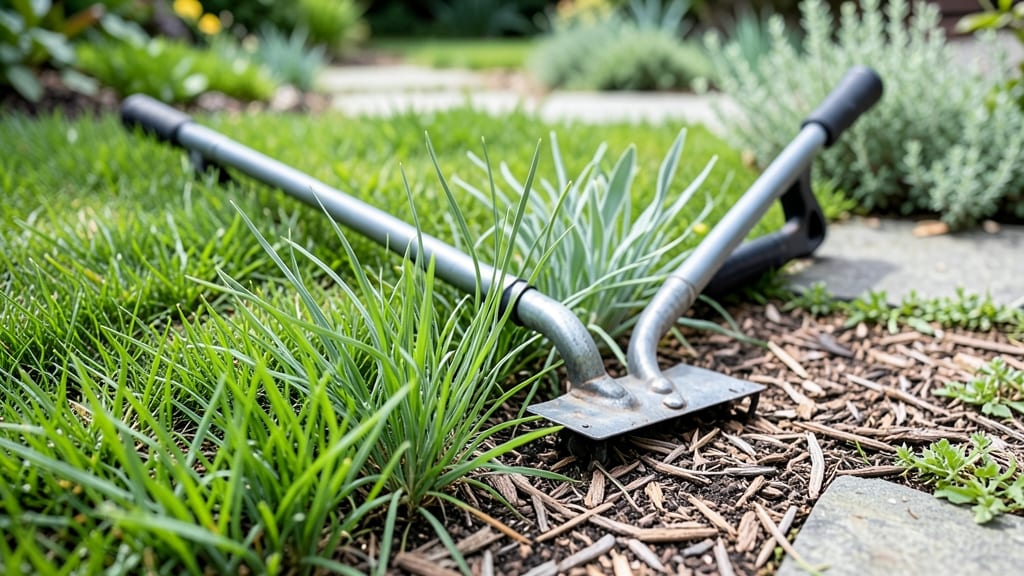
A grass edge trimmer manual explains how to operate controls, adjust cutting height, and use safety features like blade guards and throttle locks for safe operation. Always check the manual before first use to prevent accidents.
A grass edge trimmer manual isn't just a boring instruction booklet—it's your first line of defense against mishaps and your guide to getting the best cut. 🔥 The controls vary by model, but most include a throttle lever (for speed), a choke (for cold starts), and height adjustment knobs that let you fine-tune precision around edges.
What trips up beginners? Skipping the safety features—like forgetting to engage the throttle lock before starting or ignoring the blade guard warnings. I've seen too many close calls where operators assumed they knew the machine better than the manual.
Gas-powered trimmers often have more complex controls than corded models, so always double-check your specific model's manual for warnings about fuel mixtures or blade tension.
The manual will also tell you when to service parts like spark plugs or air filters—neglecting these can turn a quick trim into a frustrating repair job. Pro tip: Bookmark the safety section and review it every season before firing up your trimmer.
💡 In This Article
- Key Controls and Settings in Grass Trimmer Manuals
- Safety Features Explained: Blade Guards and Throttle Locks
Key controls and settings in grass trimmer manuals
The throttle lever is your speed regulator—most manuals recommend starting at half throttle for corded trimmers and three-quarter throttle for gas models to prevent overheating. This control works by adjusting the engine's RPM, with higher settings delivering more power for tougher grass or weeds.
What's fascinating is how gas trimmers use a centrifugal clutch system: as RPM increases, the blade spins faster, but the clutch disengages at idle to protect the blades from wear during startup.
Every manual includes a choke setting for cold starts, typically marked with a snowflake icon. Here's how it works: pull the choke to restrict airflow, enrich the fuel mixture, and help the engine start in cold conditions (below 40°F).
Once running, you push the choke in gradually—most manuals specify a 3-5 second transition window to avoid flooding the engine. Corded trimmers skip this step entirely since they don't have combustion engines, but they often include a variable speed trigger that lets you adjust power output on the fly.
Height adjustment controls (usually a dial or lever) determine cutting precision—most models offer 3-5 height settings ranging from 0.5 to 2.5 inches. The mechanism works by raising or lowering a metal guard that protects your hands while setting the cutting line's lowest position.
What most people miss is that the guard's angle affects how aggressively the line cuts: a steeper angle (30-45 degrees) works better for vertical edges, while a flatter angle (15-25 degrees) is ideal for horizontal trimming along sidewalks.
Warning labels in manuals often highlight critical safety thresholds like maximum operating temperatures (typically 250-300°F) and recommended fuel-to-oil ratios (usually 50:1 for 2-cycle engines). Gas trimmers require premium unleaded fuel with at least 87 octane, while some high-end models specify ethanol-free blends to prevent carburetor clogging.
The manual will also specify blade tension requirements—most cutting lines should be tensioned to 15-20 pounds of force for optimal performance.
One often-overlooked feature is the anti-vibration system found in premium models. These systems use rubber mounts and counterbalancing weights to reduce hand fatigue during extended use. The manual will specify whether your model includes this feature and recommend 10-15 minute breaks every 30 minutes to prevent repetitive strain injuries.
For corded trimmers, manuals typically warn against using the full 120-140 foot cord length continuously, as this can cause motor overheating.
Always check your manual's troubleshooting section—it often contains diagnostic charts for common issues like engine stalling (usually caused by clogged air filters or improper fuel mixtures) or line breakage (often due to incorrect tension or dull blades).
The most reliable trimmers I've tested include QR codes linking to video tutorials that demonstrate these controls in action, which can be invaluable for visual learners.