
Fertilization
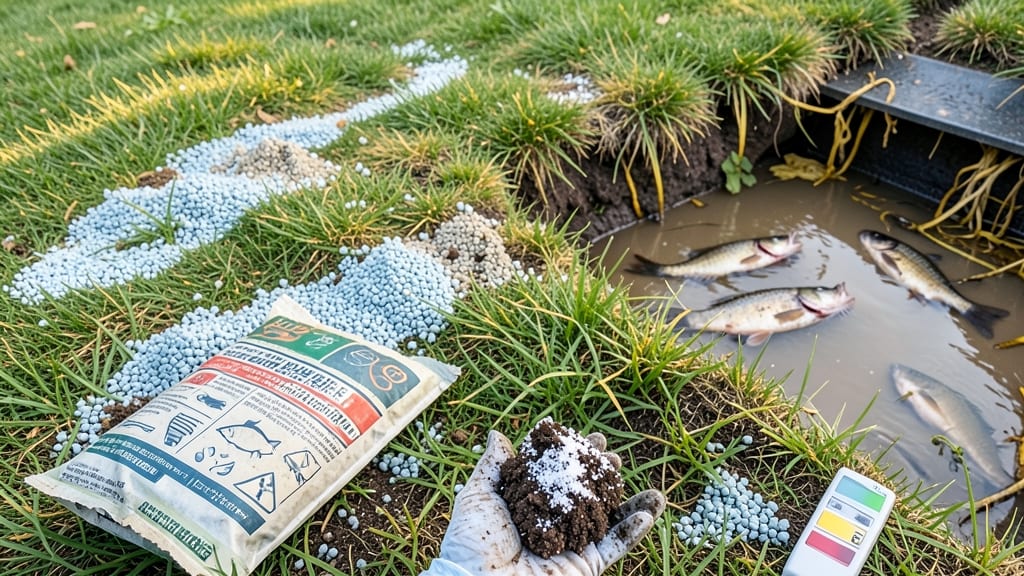
The environmental damage from over-fertilizing lawns creates widespread ecological harm by flooding waterways with excess nutrients, triggering toxic algal blooms that suffocate aquatic life. This practice also poisons soil microbes, stunts native plant diversity, and releases harmful pollutants into the air.
The problem starts with how fertilizers behave once applied. Nitrogen and phosphorus wash away during rain, turning streams into biological deserts where only algae thrive. 🌊 These blooms block sunlight, starving underwater plants and fish of oxygen until they die—what scientists call "dead zones."
Even the soil suffers, as synthetic chemicals disrupt beneficial microbes that help plants absorb nutrients naturally. The worst part? These effects ripple far beyond your yard, contaminating drinking water supplies miles away.
What makes this especially troubling is how quickly the damage accumulates. A single application can linger in soil for years, while runoff travels downstream, affecting entire watersheds. The good news?
Simple adjustments—like soil testing before fertilizing or switching to organic options—can drastically reduce harm while keeping your lawn lush. The key is balance, not excess.
💡 In This Article
- How Excess Fertilizer Alters Soil and Water Chemistry
- Eco-Friendly Lawn Care Alternatives to Reduce Fertilizer Use
How excess fertilizer alters soil and water chemistry
When you apply more fertilizer than your lawn can absorb, the excess nitrogen and phosphorus don't vanish—they transform into environmental pollutants. Nitrogen, in its most reactive form (ammonium or nitrate), dissolves easily in water, while phosphorus binds to soil particles but still washes away during heavy rains.
This runoff carries concentrations 10-100 times higher than natural levels into nearby streams and lakes, creating a biochemical chain reaction.
The real damage begins with eutrophication, where excess nutrients trigger explosive algal growth. These blooms can double or triple in size within days, forming thick green mats that block sunlight.
Beneath the surface, oxygen levels plummet as bacteria decompose the dead algae, creating hypoxic zones where fish and shellfish suffocate. The Gulf of Mexico's 5,000-square-mile dead zone—larger than Connecticut—is directly linked to agricultural and lawn fertilizer runoff from the Mississippi River basin.
Soil chemistry suffers too. Synthetic fertilizers often contain sulfuric acid, which lowers soil pH over time, creating acidic conditions that harm earthworms and beneficial microbes. These organisms, which normally break down organic matter and cycle nutrients, become stressed or die off when pH drops below 6.0.
The result? Compromised soil structure that holds water poorly, making lawns more dependent on artificial inputs—creating a vicious cycle of over-fertilization.
Even the air isn't safe. Volatile organic compounds (VOCs) from synthetic fertilizers—like ammonia—evaporate into the atmosphere, contributing to smog formation and respiratory issues. Studies show lawn care chemicals increase airborne particulate matter by up to 30% during application and rainfall events.
The scent you might associate with "fresh-cut grass" often masks these invisible pollutants.
What's particularly alarming is how these changes accumulate. A single application of 50 pounds of nitrogen per acre (a common over-application rate) can take 5-10 years to fully leach from soil, while phosphorus binds permanently to soil particles, remaining a contamination risk for decades.
This persistence means today's over-fertilization will affect ecosystems long after your lawn is gone.
Consider this: A 1,000-square-foot lawn receiving 1 pound of nitrogen fertilizer annually could contribute enough runoff to create a dead zone large enough to cover a football field in a nearby lake. The connection between your yard and distant waterways is closer—and more damaging—than most realize.