
Pruning
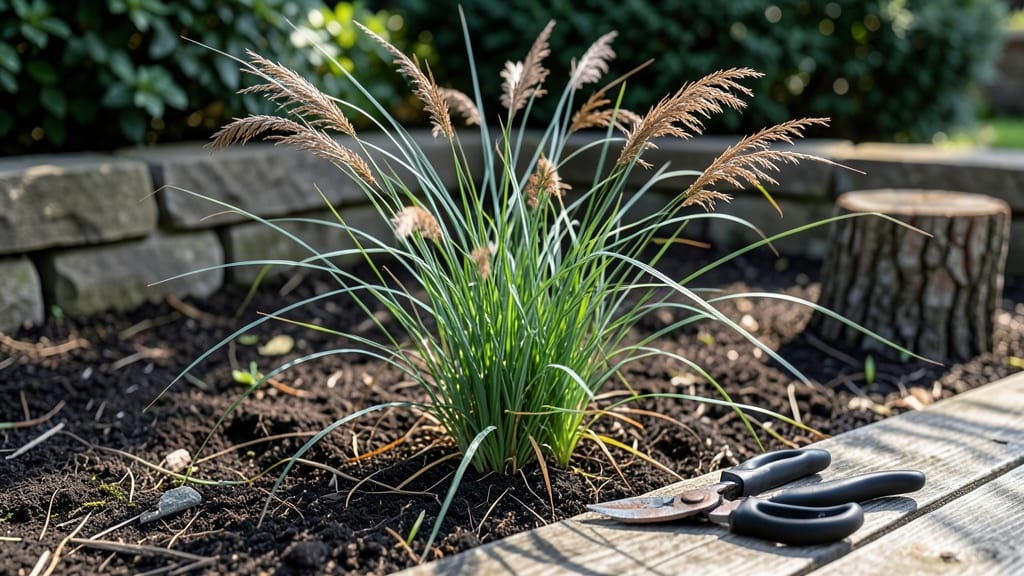
Your fountain grass looks like a tangled mess after winter—time for a sharp reset. ✂️ Cutting back fountain grass isn’t just about tidying up; it’s about encouraging lush regrowth and preventing disease. The right timing and technique make all the difference between a vibrant clump and a struggling one.
Start in late winter or early spring when new growth begins, but avoid cutting into frozen ground. You’ll need sharp pruners or a string trimmer—dull tools tear the grass, slowing recovery.
Most varieties thrive when cut back 6–12 inches from the base, but never shave it to the ground unless it’s completely dead.
After cutting, water deeply to help the grass recover. Within 2–3 weeks, you’ll see fresh green shoots pushing through. The key is patience—fountain grass bounces back stronger when given space to regenerate naturally.
For year-round shape, give it a light trim in mid-summer if it gets too leggy, but avoid heavy cuts. This keeps it looking neat without stressing the plant. Now grab those tools—your grass is ready for a fresh start!
📚 In This Guide
- What you need
- Instructions
- Tips and common mistakes
- Wrapping up and next steps
What you need
- ● Heavy-duty pruners or loppers – Choose bypass pruners (for clean cuts) or bypass loppers (for thicker stems). Specs: 6–8" blades, ergonomic grip, and sharp edges.
- ● Hedge shears or grass-specific trimmers – Opt for long-handled shears (24–36" reach) to avoid strain. Specs: Stainless steel or carbon steel blades for durability.
- ○ Pruning saw (optional but helpful) – For thick, woody stems that pruners can’t handle. Specs: Curved blade, 10–12" length.
- ● Work gloves – Garden gloves with reinforced palms to protect against scratches and thorns. Specs: Nitrile-coated or leather, cut-resistant.
- ● Wheelbarrow or tarp – To collect clippings and debris. Specs: 2–3 cubic feet capacity for small yards; larger for big patches.
- ● Rake or leaf blower – For clearing away old foliage and mulch before pruning. Specs: Heavy-duty rake for thick debris.
- ● Dry weather window – Prune on a clear, dry day to avoid fungal growth. Aim for late winter or early spring (before new growth starts).
- ○ Safety gear (optional but recommended): Sunglasses (UV protection)
- ● Long sleeves/pants (to avoid scratches)
- ● Knee pads (if kneeling frequently)
- ● Fertilizer (post-pruning) – A balanced, slow-release fertilizer (10-10-10 or 20-20-20) to revitalize the grass after cutting. Specs: Granular or spike form, organic options available.
- ○ Mulch or compost (optional) – To smother weeds and retain moisture around the base after pruning.
Step-by-Step instructions for cutting back fountain grass
Here’s how to revive your fountain grass with precise cuts that keep it lush year-round.
✂️ Step 1: Time Your First Cut for Late Winter Dormancy
Wait until late winter—after the ground thaws but before new growth appears—typically February or March in most climates. You’ll know it’s time when the grass looks brown and crispy but hasn’t sprouted yet. Cutting too early can expose tender new shoots to cold, while waiting too long risks stunting spring regrowth.
Use clean, sharp pruners or a heavy-duty hedge trimmer to avoid tearing the fibrous stems. I like to make my first cut at 6-8 inches above the ground, which removes dead foliage while leaving enough growth to protect the crown. If your grass is particularly tall, take it in stages—never more than one-third of the height at once.
🌱 Step 2: Refine Shape and Remove Dead Growth Mid-Season
Once new growth emerges in spring, wait until it reaches 6-12 inches tall before shaping. This ensures you’re cutting live tissue, not fresh shoots. I start by removing any dead or discolored stems at the base, pulling them out by hand if they’re small or cutting them flush with the ground.
For shaping, use a string trimmer or sharp shears to create clean, tapered lines. The goal is to maintain a natural fountain shape—think of it like sculpting a cone. Avoid cutting into the center too aggressively; fountain grass thrives when it can spread outward. If you notice any brown patches, trim those out first to encourage new growth.
☀️ Step 3: Summer Maintenance for Airflow and Sunlight
During the growing season, focus on thinning out the center to improve airflow and reduce disease risk. I like to work in dry, sunny conditions—never after rain or when the grass is wet. Use a string trimmer to carefully remove any overly dense growth, especially in the middle where stems can get tangled.
Watch for signs of stress like yellowing or thinning. If you see these, it’s a signal to cut back slightly more aggressively next time. I also avoid fertilizing after mid-summer—it encourages tender new growth that won’t survive winter. Instead, focus on watering deeply but infrequently to build root strength.
⏰ Step 4: Final Cut and Winter Prep in Early Fall
About 6-8 weeks before your first frost, give your fountain grass one last trim. Cut it back to 4-6 inches tall, leaving enough foliage to protect the crown from freezing temperatures. This late cut helps harden off the plant and prevents it from flopping over in winter winds.
After cutting, remove all debris from the base—this prevents pests and diseases from overwintering. I also like to add a 2-inch layer of mulch around the base (though not directly on the crown) to insulate the roots. This step is critical for varieties like Pennisetum that struggle in harsh winters.
Tips & tricks for perfect fountain grass pruning
These precision-based strategies will help you maintain your fountain grass's signature shape while keeping it healthy and vibrant throughout the seasons.
Seasonal Timing is Everything: The late winter cut in Step 1 is your most critical timing window. I've learned the hard way that cutting too early risks exposing tender new shoots to frost, while waiting too long can stunt spring regrowth. For northern climates, aim for late February to early March when the ground is thawed but no new growth has emerged yet. In warmer zones, this might extend to early April—just check for those crispy brown stems that indicate dormancy.
Tool Selection Matters More Than You Think: Using clean, sharp pruners or a heavy-duty hedge trimmer makes all the difference in Step 1. Dull tools tear the fibrous stems, creating jagged cuts that invite disease. I always clean my tools with rubbing alcohol between cuts to prevent spreading any potential pathogens. For shaping in Step 2, string trimmers work best for the tapered lines fountain grass needs—just be careful not to overcut the center where the plant's energy originates.
Strategic Height Management: The 6-8 inch height recommendation in Step 1 isn't arbitrary—it balances removing dead growth while preserving enough foliage to protect the crown. For particularly tall specimens, I've found that cutting in stages (never more than one-third of the height at once) prevents shock to the plant. This approach mirrors professional pruning techniques used in ornamental grass cultivation, where gradual height reduction promotes denser regrowth.
Summer Maintenance Secret: When thinning the center in Step 3, focus on creating a "cup" shape rather than a perfect cone. This improves airflow and reduces humidity buildup in the dense center where stems often get tangled. I've noticed that plants with proper summer airflow show significantly less fungal stress come fall. Always work in dry, sunny conditions—wet grass is more prone to tearing and disease transmission.
Pro Tips for Cutting Back Fountain Grass
- These precision-based strategies will help you maintain your fountain grass's signature shape while keeping it healthy and vibrant throughout the seasons.
- Seasonal Timing is Everything: The late winter cut in Step 1 is your most critical timing window.
- Tool Selection Matters More Than You Think: Using clean, sharp pruners or a heavy-duty hedge trimmer makes all the difference in Step 1.
Frequently asked questions
Got questions about trimming your fountain grass? You’re not alone—this fast-growing ornamental can be tricky to manage! Here are answers to the most common concerns to keep your yard looking sharp.
When is the best time to cut back fountain grass?
Trim fountain grass in late winter or early spring before new growth appears (around February–March in most climates). This prevents disease and promotes fresh, healthy foliage. Avoid cutting back in fall—wait until it’s fully dormant to avoid winter damage.
How short can I cut fountain grass?
Never cut more than 1/3 of the plant’s height at once. For most fountain grass varieties, aim to leave 6–12 inches of growth. Cutting too short weakens the plant and may kill it. Use sharp pruners or a string trimmer for clean cuts.
What if my fountain grass looks ragged mid-season?
If your grass looks messy but it’s not winter, don’t panic! Lightly trim stray stems or fluff the foliage with your fingers to restore shape. Avoid heavy cuts—this can stress the plant. Focus on shaping in late winter for the best results.
Are there alternatives to cutting back fountain grass?
Yes! If you dislike pruning, try mulching with straw or leaves to protect roots in winter, or planting in containers for easier maintenance. Some gardeners also opt for ornamental grasses with slower growth, like Miscanthus or Pennisetum.
Why does my fountain grass turn brown after cutting?
Brown tips or stems after pruning usually mean over-cutting or disease. Ensure you’re cutting at the base (not too low) and avoid trimming when the grass is wet. If browning persists, check for fungal issues—remove dead fronds and improve airflow around the plant.
Wrapping up and next steps
Cutting back fountain grass isn’t just about tidying up—it’s a year-round investment in your plant’s health and beauty.
With the right tools, timing, and technique, you’ll keep your grass lush, upright, and ready to thrive. Now’s the perfect moment to grab those shears and give your garden a fresh, polished look!
Ready to tackle the task? Start by scheduling your next pruning session—whether it’s a seasonal trim or a quick maintenance check. Your garden (and your fountain grass) will thank you! 🌿✨