
Vegetables
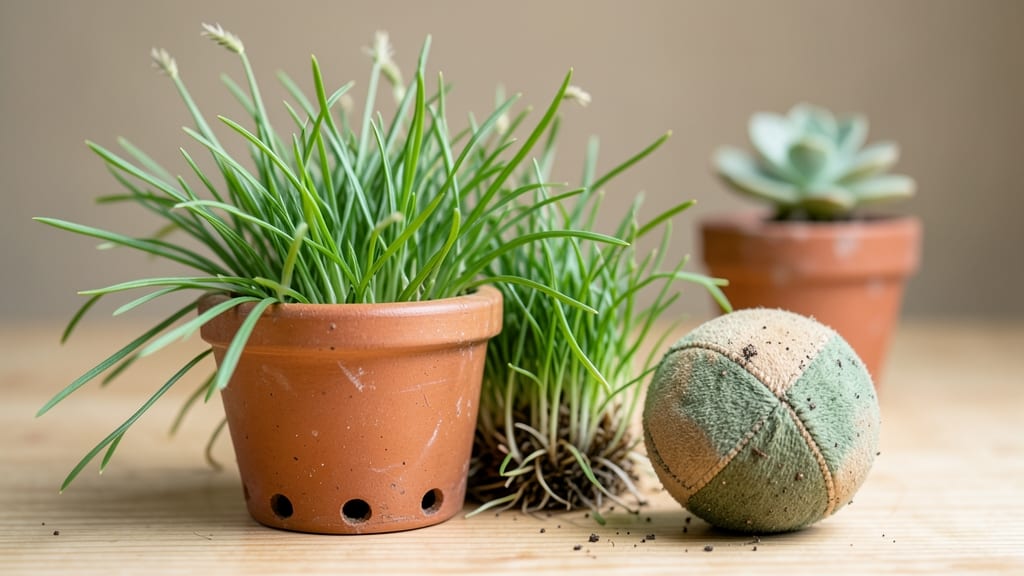
Offering cat grass to dogs can be safe in moderation, as it provides fiber and essential vitamins A and K, but certain varieties like wheatgrass or oatgrass might upset their stomachs. Introduce it slowly and watch for any allergic reactions or digestive discomfort.
Cat grass—typically made from wheatgrass, oatgrass, or barleygrass—can actually benefit dogs when given in controlled portions. 🌱 The fiber content aids digestion, while vitamins A and K support immune function and blood clotting.
However, not all varieties are equal: some commercial blends include catnip, which may overstimulate dogs or trigger mild digestive upset. Always opt for plain, organic cat grass without additives, and start with tiny amounts (about 1 teaspoon per 10 pounds of body weight) to test their tolerance.
If you're unsure about cat grass, consider safer alternatives like fresh parsley or basil, which dogs can enjoy in larger quantities without risk. These herbs offer similar digestive benefits while being gentler on sensitive stomachs.
For best results, grow your own using organic seeds and avoid pesticides—this ensures your pup gets the purest, most nutritious options possible.
💡 In This Article
- Why Cat Grass Can Be Safe (or Risky) for Dogs
- Dog-Friendly Herb Alternatives to Cat Grass
Why cat grass can be safe (or risky) for dogs
Cat grass is primarily composed of young, tender grass shoots from wheatgrass (Triticum aestivum), oatgrass (Avena sativa), or barleygrass (Hordeum vulgare), all of which are part of the grass family (Poaceae).
These plants are rich in fiber, which acts like a natural broom for a dog's digestive tract, helping move food through their system and preventing constipation.
The vitamin A content supports vision and immune function, while vitamin K aids blood clotting—a critical factor for dogs with clotting disorders or those on blood thinners. However, the safety depends on the specific variety and preparation.
The texture of cat grass is soft and slightly fibrous, almost like a cross between spinach and young wheat sprouts.
When chewed, it releases a mild, earthy flavor—similar to fresh grass clippings—without the bitterness of mature grass. 🌱 The leaves are thin and blade-like, measuring about 1-3 inches in length, making them easy for dogs to nibble.
But here's the catch: commercial cat grass blends often include catnip (Nepeta cataria), which can cause mild excitement or digestive upset in dogs, especially those sensitive to mint-family plants. Some dogs may experience mild vomiting or diarrhea within hours of ingestion, though this is rare.
What most pet owners don't realize is that the age and processing of the grass matter significantly. Freshly sprouted cat grass (harvested within 7-10 days of growth) is the safest, as it contains minimal toxins.
Older grass or dried cat grass may accumulate higher levels of nitrates, which can convert to nitrites in a dog's stomach and lead to methemoglobinemia—a rare but serious condition affecting red blood cells. Always serve organic, pesticide-free cat grass and avoid anything wilted or yellowing.
Another critical factor is portion control. A good rule of thumb is to offer no more than 1 teaspoon of fresh cat grass per 10 pounds of body weight, introduced gradually over 3-5 days.
For a 20-pound dog, this means starting with just ½ teaspoon and monitoring for 24 hours before increasing. Larger breeds can handle slightly more, but always watch for signs of excessive drooling, lethargy, or changes in stool consistency—these could indicate an adverse reaction.
If you're growing cat grass at home, opt for wheatgrass or barleygrass over oatgrass, as they tend to be gentler on canine stomachs.
Avoid blends with ryegrass (Lolium perenne), which can cause photosensitivity in some dogs when exposed to sunlight after ingestion. 🌿 The key is to mimic how wild dogs graze: small amounts, fresh, and as part of a balanced diet.
Never replace a dog's regular meals with cat grass, as it lacks essential proteins and fats they need.
For dogs with pre-existing conditions—such as inflammatory bowel disease (IBD), pancreatitis, or liver issues—consult your vet before introducing cat grass. Some medications, like NSAIDs or chemotherapy drugs, can interact poorly with grass-derived compounds, increasing the risk of gastrointestinal irritation.
When in doubt, stick to vet-approved dog-safe herbs like parsley or basil, which offer similar digestive benefits without the potential pitfalls.