
Lawn
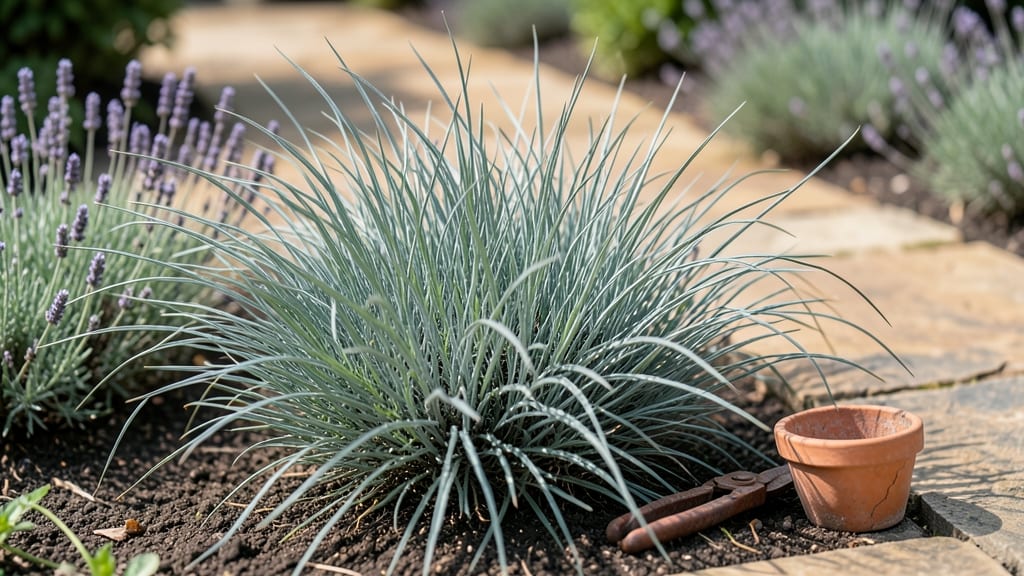
The care of blue fescue grass is simpler than you’d think—this drought-tolerant stunner thrives on neglect, turning any yard into a silvery-blue masterpiece with almost no effort once you know its secrets. 🌿 needs. This drought-tolerant beauty loves full sun and well-draining soil, but it's surprisingly forgiving.
Overwatering is its only enemy, so let the soil dry between waterings. In winter, a light mulch protects it from harsh winds while preserving that signature color. By midsummer, you'll have dense, mounded clumps that stay compact and pest-free. The best part?
It needs no mowing—just occasional trimming to maintain shape. Perfect for rock gardens, borders, or as a low-maintenance lawn alternative. Whether you're using it as a focal point or filling gaps in your landscape, blue fescue delivers drama with minimal demands.
Here's how to keep it looking its best all season long.
📚 In This Guide
- What you need
- Instructions
- Tips and common mistakes
- Wrapping up and next steps
What you need
- ● Blue fescue grass seed: 5–10 lbs per 1,000 sq. ft. (choose a high-quality, drought-resistant variety like 'Everest' or 'Azur').
- ● Lawn rake: A sturdy, medium-tooth rake for leveling soil and removing debris.
- ● Garden hose or sprinkler: For consistent watering (drip irrigation is ideal for efficiency).
- ● Soil tester kit: To check pH (blue fescue prefers 6.0–7.0; amend if needed).
- ● Compost or organic fertilizer: A balanced 10-10-10 or slow-release formula (apply sparingly—blue fescue dislikes over-fertilizing!).
- ○ Mulch (optional but recommended): 1–2 inches of straw or pine needles to retain moisture and suppress weeds.
- ● Seed starter fertilizer: A phosphorus-rich blend (e.g., 5-10-10) to boost germination.
- ● Lawn roller: Lightweight (100–150 lbs) to press seed into soil gently.
- ● Weed barrier fabric: For areas prone to invasive grasses (lay before seeding).
- ● Pruning shears: For trimming overgrown patches or edges.
- ● Soil conditioner: Like gypsum or peat moss if your soil is clay-heavy or sandy.
Step-by-Step guide to blue fescue grass care
This hardy grass thrives with minimal fuss—just follow these easy steps for lush, drought-proof beauty.
🌱 Step 1: Establish Proper Planting Conditions
Blue fescue loves well-draining soil and full sun—at least 6 hours daily—but tolerates partial shade if needed. Test your soil first: dig a 6-inch hole, fill it with water, and wait. If water drains in under 4 hours, your soil is perfect. If it pools, amend with 2-3 inches of sand or grit before planting.
Plant in early spring or fall when temperatures hover between 50-70°F. Space plugs 12-18 inches apart to allow airflow and prevent fungal issues. I like to water deeply right after planting to settle roots—1 inch of water should soak into the soil within 30 minutes. Avoid walking on new plantings for at least 2 weeks to prevent root disturbance.
☀️ Step 2: Master Watering for Drought Resistance
Blue fescue’s secret? Deep, infrequent watering. Water once a week during establishment (first 3 months), then taper to every 2-3 weeks once established. Always water in the early morning to reduce evaporation and fungal risk. You’ll know it’s enough when water penetrates 6 inches deep—use a screwdriver to check.
Overwatering is the biggest mistake. If leaves turn yellow or feel mushy, you’re watering too much. Let the top 2 inches of soil dry out between waterings. Once established, this grass thrives on rainfall alone in most climates—real talk: it’s one of the most drought-tolerant grasses out there.
✂️ Step 3: Mow Strategically for Health and Appearance
Never cut more than one-third of the blade height at once. Set your mower to 3-4 inches tall—taller grass shades roots, reducing moisture loss. Mow when grass is dry (never wet) to prevent clumping. I mow once every 2-3 weeks in growing season, more often in spring when growth spikes.
Leave clippings on the lawn—they return nutrients to the soil naturally. If you must bag them, do so once a year in late fall to remove thatch buildup. Never scalp the grass: short blades stress blue fescue and invite weeds. Watch for uneven growth—it’s a sign your mower height needs adjusting.
🌿 Step 4: Fertilize Lightly for Natural Beauty
Blue fescue doesn’t need much fertilizer—too much makes it grow fast and weak. Apply a slow-release, low-nitrogen fertilizer (like 10-0-10) in early spring only. Use ½ the recommended rate—overfeeding leads to thin, floppy blades. Water immediately after applying to help nutrients absorb.
Skip fall fertilization entirely. This grass stores energy in its roots naturally. If you see pale patches, it’s time for a light top-dressing of compost in spring. Avoid synthetic fertilizers—they can burn delicate roots. Here’s the thing: blue fescue’s elegance comes from restraint, not excess.
🪴 Step 5: Protect Against Common Pests and Diseases
Watch for grubs, chinch bugs, and fungal spots—they’re the main threats. If you spot chewed blades or sawdust-like frass, handpick grubs or apply beneficial nematodes in early summer. For chinch bugs, blast them off with a strong stream of water from your hose.
Fungal issues show as white or pink patches. Improve airflow by thinning dense areas with a rake. Never water overhead—use a soaker hose instead. I’ve never had major problems, but if you see mushy stems, reduce watering immediately. Blue fescue’s natural resilience means it rarely needs treatments—just stay vigilant.
Tips & tricks for perfect blue fescue grass care
These game-changing tips will help you achieve that lush, drought-resistant blue fescue lawn with minimal effort.
Soil Test Accuracy: When testing your soil's drainage in Step 1, use a clear container to measure the 6-inch hole depth—this ensures consistency. If water drains in under 4 hours, you're golden! But if it pools, don't just guess at the 2-3 inches of sand—measure it precisely with a leveling tool. Proper drainage is the foundation for healthy blue fescue, and this small step prevents future waterlogging issues that can kill roots.
Planting Temperature Window: The 50-70°F range in Step 1 is ideal, but here's what I've learned: if you're planting in spring, aim for the lower end (50-60°F) to avoid heat stress during establishment. In fall, you can push closer to 70°F—just get it planted before the first frost. I've seen blue fescue planted at 75°F survive, but growth slows dramatically until temperatures drop back into that sweet spot.
Watering Depth Check: For that critical 6-inch water penetration in Step 2, I keep a screwdriver handy—it's the perfect tool for checking. Drive it in after watering, then pull it out and look at the moist soil. If you're not seeing moisture at 6 inches, water again. This deep watering mimics natural rainfall and encourages deep root growth, which is what makes blue fescue so drought-resistant once established.
Mowing Height Consistency: The 3-4 inch range in Step 3 might seem broad, but here's the secret: maintain the same height throughout your entire lawn. I use a simple trick—mark your mower height with tape so you can quickly check and adjust. Uneven mowing creates weak spots where weeds love to take hold. And remember, those clippings? They're free fertilizer—just leave them on the lawn to return nutrients to the soil.
Pro Tips for Care Of Blue Fescue Grass
- These game-changing tips will help you achieve that lush, drought-resistant blue fescue lawn with minimal effort.
- Soil Test Accuracy: When testing your soil's drainage in Step 1, use a clear container to measure the 6-inch hole depth—this ensures consistency.
- Planting Temperature Window: The 50-70°F range in Step 1 is ideal, but here's what I've learned: if you're planting in spring, aim for the lower end (50-60°F) to avoid heat stress during establishment.
Frequently asked questions
Got questions about keeping your blue fescue grass lush and thriving?
You’re not alone! Here are answers to the most common concerns—from watering woes to winter prep—so you can enjoy its drought-resistant beauty with minimal fuss.
How often should I water blue fescue grass?
Water deeply but infrequently—about 1 to 1.5 inches per week, including rainfall. Focus on the root zone (4–6 inches deep) to encourage deep growth. Early morning watering (before 10 AM) reduces evaporation and fungal risks. Pro tip: Let the soil dry slightly between waterings to prevent root rot.
Does blue fescue grass survive winter?
This cool-season grass goes dormant in winter but bounces back in spring. Mow it shorter (2–3 inches) before the first frost and avoid fertilizing in late fall. A light mulch layer (2–3 inches of leaves) can protect it from harsh winds. No need to worry—it’s tougher than it looks!
Can I overseed blue fescue grass?
Yes, but timing is key! Overseed in early fall (September–October) for best results. Blue fescue spreads slowly, so overseeding helps fill thin patches. Use a high-quality cool-season blend and keep the soil moist until germination (about 2–3 weeks). Pro tip: Lightly rake the area to improve seed-to-soil contact.
What pests or diseases should I watch for?
Blue fescue is pest-resistant, but watch for grubs, chinch bugs, or fungal issues (like brown patch) in humid climates. If you spot chewed blades or yellowing patches, treat with neem oil or insecticidal soap for grubs. Improve airflow by thinning dense areas to prevent disease.
Is blue fescue grass good for shady areas?
It tolerates partial shade (3–6 hours of sun/day) but thrives best in full sun (6+ hours). In shady spots, growth may slow, and the grass could thin. If shading is unavoidable, pair it with fine fescue blends for better coverage. Pro tip: Trim nearby trees to boost sunlight exposure over time.
How do I fix a brown or patchy lawn?
Brown patches often mean drought stress, disease, or compacted soil. First, check soil moisture—water deeply if dry. If the issue persists, aerate the lawn in fall to improve drainage and top-dress with compost. For dead spots, overseed or reseed in early fall. Pro tip: Avoid heavy foot traffic on stressed areas.
Wrapping up and next steps
Caring for blue fescue grass is all about embracing its natural resilience and beauty—minimal effort yields stunning, drought-tolerant results! 🌿 With the right soil prep, watering routine, and occasional maintenance, you’ll enjoy a lush, low-maintenance lawn that thrives even in challenging conditions.
Remember, patience and consistency are key as this grass establishes itself.
Ready to transform your outdoor space? Start by planting your blue fescue seeds or sod this season—your future lawn will thank you! For extra confidence, bookmark this guide or share it with fellow gardening enthusiasts. Happy growing! ⚡