
Lawn
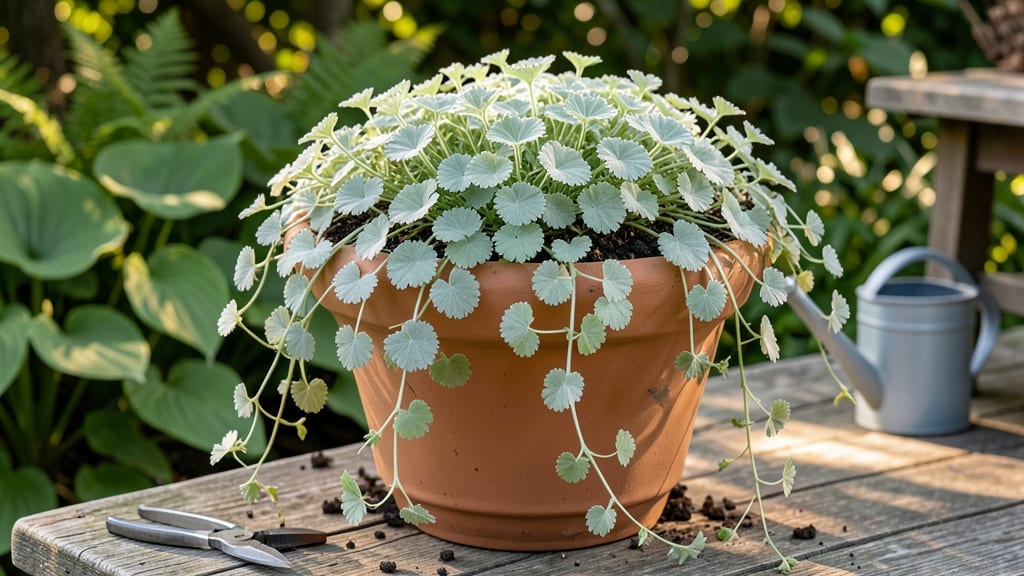
Aztec grass care starts with understanding its silver-blue foliage thrives where most lawns fail. 🌿 This drought-resistant groundcover stays lush in heat and shade, making it perfect for low-maintenance gardens, slopes, or even as a living mulch under trees.
Unlike traditional grass, it doesn’t need mowing—just occasional trimming to keep it tidy. The secret to happy Aztec grass lies in well-draining soil and moderate watering—think of it like a succulent for your lawn.
Plant in full sun to partial shade, and water deeply once a week (more in extreme heat). Overwatering is the #1 killer, so let the soil dry between waterings. It handles foot traffic surprisingly well, too, though it recovers best in shady spots.
Once established, Aztec grass spreads effortlessly, filling gaps on its own. If it looks leggy, trim it back by 1/3 in early spring to encourage dense, silvery regrowth. The texture is stunning year-round—velvety in spring, frosty in winter—and it even attracts pollinators with tiny white flowers in summer.
Troubleshooting is easy: browning? Likely underwatering or too much sun. Pests? Rare, but birds might snack—just cover new plantings until roots take hold. For ornamental use, try edging walkways or spilling it over retaining walls. It’s the ultimate no-fuss, high-impact groundcover.
📚 In This Guide
- What you need
- Instructions
- Tips and common mistakes
- Wrapping up and next steps
What you need
- ● Seeds: 10–15 lbs of Zoysia japonica (Aztec variety) per 1,000 sq. ft. (Check for drought-resistant labels!)
- ● Soil: Well-draining, slightly acidic (pH 6.0–7.0). Amend with 2–3 inches of compost if needed.
- ● Fertilizer: Starter fertilizer: 10–15 lbs of 10-10-10 per 1,000 sq. ft. (for planting)
- ● Slow-release fertilizer: ½ lb of nitrogen per 1,000 sq. ft. (spring/fall)
- ● Watering tools: Hose with adjustable nozzle (for deep soaking)
- ○ Soaker hose (optional, for drip irrigation)
- ● Mowing gear: Lawnmower with sharp blades (set to 1.5–2.5 inches height)
- ○ String trimmer (for edges, optional)
- ● Pre-emergent herbicide: 1–2 lbs per 1,000 sq. ft. (spring, to block weeds)
- ● Mulch: 2–3 inches of straw or pine needles (to retain moisture)
- ● pH test kit: DIY or lab-tested (to monitor soil health)
- ● Lawn aerator: Rental or manual (for compacted soil, every 2–3 years)
Instructions for establishing and maintaining Aztec grass
This drought-tolerant beauty thrives with minimal fuss once you nail these key steps.
🌱 Step 1: Select the Perfect Location and Prepare the Soil
Aztec grass (Dichondra argentea) loves sun but adapts to partial shade—just expect denser, more silver foliage in full light. Choose a spot with 6+ hours of sunlight daily for the most vibrant growth. I always test the soil first because this grass despises soggy roots. Amend heavy clay with 2-3 inches of compost mixed into the top 6 inches of soil to improve drainage.
This grass spreads aggressively, so mark your planting area with landscape fabric or edging if you want to contain it. The roots are shallow but fibrous, so avoid disturbing them once established. A soil pH between 6.0-7.0 works best—test your soil and adjust with lime if needed. I like to work in a slow-release fertilizer at planting time to give it a nutrient boost without risking burn.
🌿 Step 2: Plant with Proper Spacing for Full Coverage
Plant 12-18 inches apart in rows 18-24 inches apart for a lush, carpet-like effect. Dig holes just deep enough to cover the root ball completely—no deeper, or you'll suffocate the roots. Aztec grass tolerates poor soil better than most ground covers, but don't skip the planting hole preparation. Gently tease out any circling roots to encourage outward growth.
Water immediately after planting to settle the soil and eliminate air pockets. You'll see new growth within 2-3 weeks if conditions are right. Here's the thing—this grass spreads by stolons (those long, trailing stems), so don't be surprised when it starts filling in gaps faster than you expect. Watch for those first tendrils creeping outward; that's when you know it's thriving.
☀️ Step 3: Master the Watering Routine for Drought Resistance
Once established, Aztec grass needs very little water—that's why it's perfect for low-maintenance gardens. Water deeply once a week during the first growing season to encourage deep root development. After that, 1 inch of water every 10-14 days keeps it happy, even in summer heat. The key is deep watering; shallow sprinkles lead to weak, shallow roots.
You'll know it's getting enough water when the leaves stay a vibrant silver-green. If they turn dull or yellow, it's either underwatered or overwatered. This grass is remarkably resilient—it goes dormant in extreme drought but bounces back with a drink. Mulch with 2-3 inches of shredded bark to retain moisture and suppress weeds, which is where this plant really earns its reputation for low upkeep.
✂️ Step 4: Prune Strategically for Year-Round Appeal
Minimal pruning is needed, but a light trim in early spring keeps it dense and tidy. Use sharp shears to cut back any brown or leggy growth to 1-2 inches above the soil line. This grass handles pruning well—it's not fussy like some ground covers. The real secret is mowing it occasionally if it gets too long, but I usually let it trail naturally for that silvery, cascading look.
Remove any weeds by hand before they compete with your Aztec grass. It spreads quickly enough that weeds rarely become an issue, but early intervention prevents them from taking root. If you notice bare spots, simply fill them with new plants or let the grass spread naturally—it's that hardy. I've seen patches recover from foot traffic and still look lush, which is why it's perfect for high-traffic areas.
🌿 Step 5: Overwinter Care for Continuous Beauty
Aztec grass stays green year-round in mild climates but may brown in freezing temperatures. In colder zones, it goes dormant but returns in spring with minimal care. In winter, reduce watering to once every 3-4 weeks unless you're in a drought-prone area. A light layer of mulch helps protect the roots from temperature swings.
If your grass turns brown in winter, don't panic—it's normal. Once temperatures rise above 50°F consistently, it greens up again. I've seen it bounce back from snow cover with no issues. The only time to worry is if the soil stays soggy all winter, which can lead to rot. That's why proper drainage at planting is so critical—it pays off in the long run.
Tips & tricks for perfect Aztec grass maintenance
Transform your garden with this silvery beauty—here's how to keep it thriving with minimal effort.
Soil Preparation Secret: The 2-3 inches of compost in Step 1 isn't just about drainage—it's about creating the perfect air-soil balance. I've found that mixing in 1 part perlite to the compost helps prevent compaction over time, especially in heavy clay soils. This grass hates soggy roots, so if your area gets heavy rainfall, consider installing a French drain along the perimeter to redirect excess water. The key is making sure water moves away from the roots, not pools around them.
Planting Spacing Hack: When planting 12-18 inches apart in Step 2, think of this spacing as your initial framework—not your final coverage. The grass spreads aggressively through stolons, so you'll see those first tendrils creeping outward within 2-3 weeks. If you want faster coverage, plant in a grid pattern with 12-inch spacing between plants rather than rows. This creates more connection points for the stolons to spread from, giving you a denser carpet in half the time. Just be prepared for the extra maintenance if you want to contain it!
Watering Technique: The 1 inch of water every 10-14 days recommendation in Step 3 is perfect, but here's what nobody tells you—how you deliver that water matters just as much. Use a soaker hose or drip irrigation system placed at the base of the plants rather than overhead sprinklers. This prevents water from evaporating before it reaches the roots and ensures the water penetrates deeply. I've seen Aztec grass wither despite getting the right amount of water because it was all hitting the leaves and running off. The goal is to wet the soil, not the foliage.
Overwintering Strategy: That 50°F threshold in Step 5 is your green light for spring revival, but don't wait until the last minute to act. In colder climates, I recommend applying a 3-inch layer of straw mulch in late fall (after the first frost) to provide extra insulation. This protects the roots from temperature swings that can cause winter burn. The mulch also prevents soil heaving during freeze-thaw cycles, which can damage the shallow root system. Remove the straw in early spring once temperatures consistently stay above 50°F—your grass will thank you with vibrant new growth.
Pro Tips for Aztec Grass Care
- Transform your garden with this silvery beauty—here's how to keep it thriving with minimal effort.
- Soil Preparation Secret: The 2-3 inches of compost in Step 1 isn't just about drainage—it's about creating the perfect air-soil balance.
- Planting Spacing Hack: When planting 12-18 inches apart in Step 2, think of this spacing as your initial framework—not your final coverage.
Frequently asked questions
Got questions about keeping your Aztec grass lush and low-maintenance? You’re not alone! Here are answers to the most common concerns—from watering woes to winter prep.
How often should I water Aztec grass?
Aztec grass thrives on deep but infrequent watering. Aim for 1–1.5 inches per week (including rain), split into 2–3 sessions. Water early morning to reduce evaporation, and avoid shallow sprinkles—this drought-tolerant grass hates soggy roots!
Does Aztec grass go dormant in winter?
Yes! In cold climates (below 20°F), Aztec grass turns brown but stays alive. Reduce watering to once every 3–4 weeks unless snow covers it. Come spring, it greens up fast—no need to reseed!
Should I mow Aztec grass shorter than 3 inches?
Never!
Keep it at 3–4 inches to shade roots and retain moisture. Cutting too short stresses the grass, invites weeds, and weakens its drought resistance. Use a sharp mower blade for clean cuts—never remove more than 1/3 of the blade height at once.
What’s the best way to kill weeds in Aztec grass?
Prevention is key! Overseed thin spots in early fall and hand-pull weeds early. For stubborn broadleaf weeds, spot-treat with a selective herbicide (like 2,4-D) in cool weather. Avoid pre-emergents—they can harm Aztec grass.
Can I replace Aztec grass with something easier?
If upkeep feels overwhelming, consider buffalo grass or fescue blends for similar low-maintenance texture. But Aztec’s ultra-fine blades and shade tolerance make it a top pick for foot traffic and urban yards. Try a small patch first to test your climate!
Wrapping up and next steps
Caring for Aztec grass is all about embracing its low-maintenance charm while keeping it lush and vibrant. With the right tools, a little patience, and seasonal adjustments, you’ll enjoy a year-round green carpet that thrives with minimal effort.
Whether you’re a busy homeowner or a DIY enthusiast, these tips ensure your lawn stays healthy and stunning without the hassle.
Ready to transform your outdoor space? Start small—pick one tip from this guide to test, then gradually build your routine. Before you know it, your dream lawn will be the envy of the neighborhood! 🌿✨