
Lawn
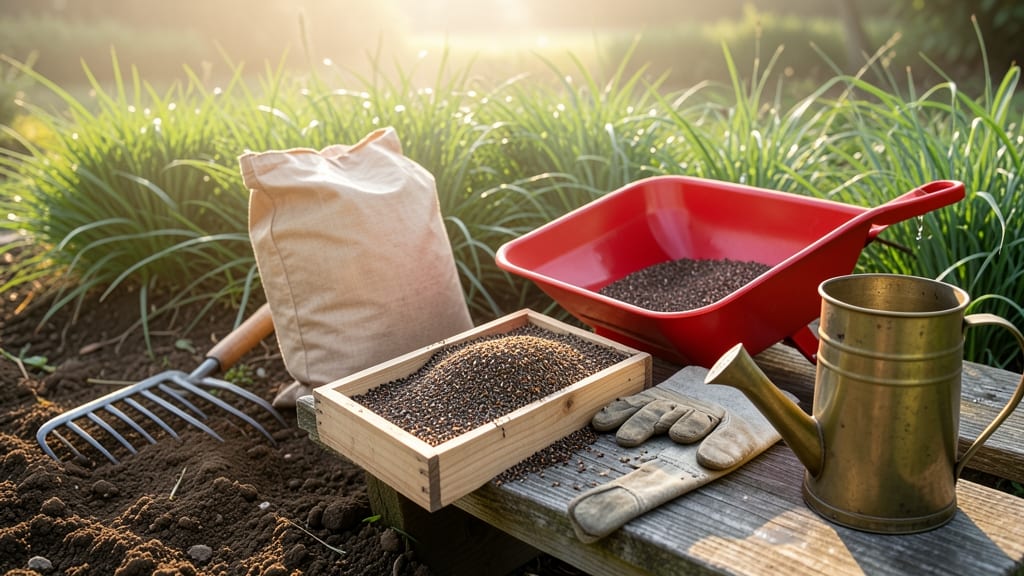
Reseeding lawn in the fall is the best way to get thick, weed-resistant grass before winter sets in—aim for mid-August to mid-September in most of the U.S.
Struggling with patchy lawns? Fall is the perfect time to reseed—but timing depends on your grass type. Plant too early or late, and you’ll risk weak roots, weeds, or wasted seeds. Here’s the exact science-backed schedule to maximize success.
Cool-season grasses like Kentucky bluegrass and fescue thrive when soil temps hover around 60–75°F, which means late summer to early fall in USDA Zone 6. Southern climates can push planting into October, while northern regions should start by late August to avoid frost.
Below, I’ll break down the ideal window by grass type, soil prep tips, and a step-by-step checklist to ensure your new lawn takes hold before winter. No more guesswork—just a stronger lawn next spring.
Best fall reseeding months for cool-season vs. warm-season grasses
Fall is the golden window for reseeding lawns, but the best months depend entirely on your grass type. Cool-season grasses like Kentucky bluegrass and fescue thrive when planted in late summer to early fall, while warm-season grasses such as Bermuda and Zoysia need a late-summer timing shift to avoid winter stress.
Getting this wrong can mean weak germination or wasted seeds—so let’s break it down by region and grass type.
For northern climates (USDA Zones 3-6), the ideal window is mid-August to mid-September, giving seeds 4-6 weeks to establish roots before frost.
In southern climates (Zones 7-10), you can push reseeding until late October or even November for warm-season grasses, but cool-season types still prefer September planting.
The key is soil temperatures—cool-season grasses need soil between 60°F and 75°F, while warm-season varieties tolerate cooler soil down to 50°F.
Here’s the exact monthly breakdown you need to avoid common mistakes like overwatering or planting too late for your region:
If you’re in the transition zone (Zones 6-7), like central Texas or Kansas, aim for late August to early September for cool-season grasses. Warm-season grasses here can handle a later window (September–October), but avoid planting after mid-October—cool nights slow germination.
For drought-prone areas, prioritize deep watering over frequent light watering to prevent seed washout.
Pro tip: Use a soil thermometer to confirm temperatures. Cool-season grasses won’t germinate below 55°F, while warm-season types like Bermuda can handle cooler soil but struggle with freezing ground.
In Zone 10, you might even reseed in November—just cover seeds with straw to protect from unpredictable cold snaps.
One common mistake is waiting until October for cool-season grasses. By then, daylight shortens and soil cools, leaving seeds struggling to sprout. Instead, act by mid-September in the North to give roots time to penetrate 4–6 inches deep before winter.
For warm-season grasses, late October is cutting it close—push to November only if your variety is winter-hardy.
Regional adjustments matter. In Pacific Northwest (Zone 7-9), September is ideal for both grass types, but northern California can extend to early November for warm-season grasses.
Meanwhile, New England (Zone 4-5) should finish by mid-September—any later, and frost will kill seedlings. Always check your USDA Hardiness Zone for precise timing.
For high-traffic lawns, choose fast-germinating seeds like annual ryegrass (germinates in 5–7 days) and overseed in August to establish a temporary cover before cool-season grasses fill in. Pair this with a light mulch (straw, not wood chips) to retain moisture and block weeds.
Remember: Fall reseeding works because cooler temps reduce weeds, soil stays moist, and grass focuses on roots instead of leaves. Miss the window, and you’ll face weak germination, winter kill, or a weed-dominated lawn next spring.
Use this guide to lock in the perfect timing for your grass type and region—your lawn’s future depends on it.
🌱
5 Critical factors that determine your exact reseeding window
Getting your reseeding timing right in fall means balancing soil warmth, daylight, and frost risk. Cool-season grasses like Kentucky bluegrass and tall fescue thrive when temperatures hover between 60°F and 75°F—too early, and seeds may dry out; too late, and roots won’t establish before winter.
Here’s how to pinpoint your exact window.
First, check your last frost date. Aim to plant 4-6 weeks before frost—this gives roots time to grow 3-4 inches deep before dormancy. For USDA Zone 6 (like my lawn), that’s typically mid-August to mid-September.
But if you’re in Zone 7 or warmer, push planting into early October to avoid summer heat stress.
Next, monitor daylight hours. Grasses need 10-12 hours of daylight for photosynthesis. In late September, days shorten rapidly—planting after September 20 in northern climates risks stunted growth. Use a soil thermometer to confirm temps stay above 55°F at night.
- 1. Soil Temperature: Ideal range is 60°F–75°F for germination. Use a soil thermometer to avoid planting when temps drop below 55°F at night.
- 2. Daylight Hours: Grasses need 10–12 hours of daylight. Plant before days drop below 10 hours (usually by late September in northern zones).
- 3. Frost Risk: Schedule planting 4–6 weeks before first frost. For Zone 6, this is mid-August–mid-September; adjust 1–2 weeks later for warmer zones.
- 4. Grass Type: Cool-season grasses (bluegrass, fescue) thrive in fall; warm-season grasses (Bermuda, Zoysia) need spring planting. Match your grass to the season!
- 5. Local Conditions: Drought-prone areas? Use drought-resistant seeds (like fine fescue) and mulch. High-traffic lawns need dense, fast-growing varieties (e.g., perennial ryegrass).
For high-traffic lawns, prioritize perennial ryegrass—it germinates in 7–14 days and tolerates foot traffic better than fescue. If your lawn is drought-prone, opt for tall fescue blends with deep roots. Always pre-soak seeds for 12–24 hours before planting to boost germination rates.
Pro tip: Test your soil pH before planting. Most grasses prefer 6.0–7.0. If your soil is too acidic (below 6.0), add lime 4–6 weeks before reseeding. Overly alkaline soil (>7.5) may need sulfur
Finally, adjust for microclimates. Shady spots stay cooler longer—plant there 2 weeks later than sunny areas. Use a weather app to track 7-day forecasts and avoid planting during rain (seeds may wash away) or extreme heat (they’ll dry out).