
Lawn
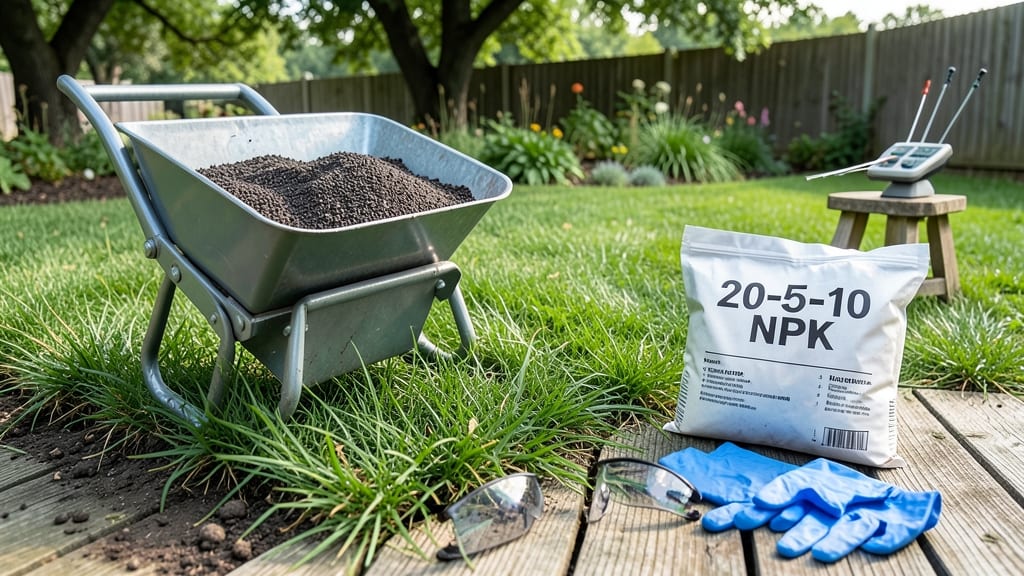
To fertilize the lawn at the right time means catching the two key windows when grass roots grow fastest—early spring and fall—before the heat or cold slows everything down.
Picture this: You’ve just spent hours aerating and seeding, only to skip the fertilizer step because "it’s too early" or "the grass looks fine." Then, two months later, you’re staring at patchy brown spots wondering what went wrong.
Timing isn’t just about throwing down fertilizer when you remember—it’s about syncing with your grass type (cool-season or warm-season) and climate zone. A spring feeding in March kickstarts growth, while a fall boost in September strengthens roots for winter.
Below, I’ll break down the exact months to fertilize, how to adjust for drought or rain, and the one mistake that burns grass faster than summer heat.
Best seasons and months to fertilize your lawn for optimal growth
A well-timed fertilization schedule can transform your lawn from patchy to picture-perfect. The best times to fertilize depend on your grass type—whether it's cool-season (like Kentucky bluegrass) or warm-season (like Bermuda grass)—and your climate zone.
Northern regions thrive with spring and fall feedings, while southern lawns benefit from summer fertilization. Let's break down the ideal monthly schedule for each season.
For cool-season grasses, focus on early spring and late fall when temperatures are mild. These grasses grow actively during cooler months, making them hungry for nutrients during these periods.
In contrast, warm-season grasses peak in late spring and summer when heat is consistent. Skipping fertilization during their dormant seasons (winter for warm-season, summer for cool-season) prevents stress and waste.
Regional adjustments are key. In northern climates (USDA zones 3-6), aim for March-April and September-October feedings. Southern regions (zones 7-10) can fertilize in May-June and August-September to align with warm-season growth cycles. Always check your last frost date—cool-season grasses need soil temps above 50°F before fertilizing.
| Season | Best Months | Grass Type | Key Notes |
|---|---|---|---|
| Spring | March-April (North) May-June (South) |
Cool-season Warm-season |
High-nitrogen feed for new growth; avoid if frost is forecasted. |
| Summer | June-July (South) Light feed (North) |
Warm-season Cool-season (dormant) |
Use slow-release fertilizer; avoid heavy feeding in northern summers. |
| Fall | September-October (North) August-September (South) |
Cool-season Warm-season (dormant) |
Potassium-rich feed strengthens roots; stop 6 weeks before first frost. |
| Winter | None | All grasses | Grass is dormant; fertilizing can burn roots or leach into waterways. |
In early spring, fertilize your lawn as soon as the soil warms to 50°F for cool-season grasses. Apply a high-nitrogen fertilizer (like 24-0-6) to kickstart growth. For warm-season grasses, wait until soil temps hit 60°F—typically late April to May in most regions.
This timing ensures roots are active and ready to absorb nutrients without stress.
Summer fertilization varies dramatically by region. In southern climates, apply a light feed in June to sustain warm-season grasses during peak heat. Northern lawns should avoid heavy summer feeding—cool-season grasses enter dormancy, and excess nutrients can burn or leach away.
Instead, opt for a slow-release fertilizer in late summer to prepare for fall.
Fall is the most critical fertilization window for cool-season grasses. Apply a potassium-rich blend (like 10-0-20) in September or early October to harden roots before winter. Warm-season grasses in southern regions benefit from a light fall feeding in August to extend green-up before dormancy.
Always stop fertilizing 6 weeks before first frost to prevent winterkill.
Winter fertilization is a big no-no for all grass types. Cool-season grasses go dormant, while warm-season grasses are already inactive. Applying fertilizer during this time can burn roots, harm beneficial microbes, or wash into groundwater. Instead, focus on light aeration and leaf cleanup to prep your lawn for spring.
Pro tip: Test your soil in early spring to identify deficiencies. Adjust your fertilizer's NPK ratio accordingly—cool-season lawns need more nitrogen, while fall feedings should prioritize phosphorus and potassium. For new lawns, wait until 6-8 weeks after seeding before fertilizing to avoid seed washout.
Regional tweaks matter! In Pacific Northwest or Upper Midwest, fertilize in late August for a fall green-up. Southern states like Texas or Florida can fertilize in early September to extend summer color. Always check local extension service guidelines for tailored advice.
Remember, consistency is key. Stick to a 6-8 week schedule during growing seasons, but avoid overdoing it. Over-fertilizing leads to brown tips, thatch buildup, and water pollution**.
Signs your lawn needs fertilizer (and when to avoid it)
Your lawn sends clear signals when it's hungry for nutrients. Yellowing patches that don't respond to watering, thin or patchy areas where weeds take over, or slow recovery after mowing are all red flags.
Even if your grass looks green, dull color or stunted growth can mean it's not getting enough nitrogen, phosphorus, or potassium.
But before reaching for that fertilizer bag, consider your local climate and current weather conditions. Heavy rain can wash away nutrients, while drought stress makes grass less able to absorb fertilizer. Timing matters—applying fertilizer at the wrong time can actually harm your lawn rather than help it.
⚠️ When NOT to Fertilize Your Lawn
Never fertilize during these conditions:
- Drought – Grass won't absorb nutrients properly
- Extreme heat (above 90°F) – Can burn grass blades
- Heavy rain forecast – Nutrients will wash away
- Late summer – Encourages weak fall growth
- Winter dormancy – Grass isn't actively growing
Pro Tip:
For cool-season grasses, fertilize in early spring (March-April) and fall (September-October). Warm-season grasses need feeding in late spring (May-June) and early summer (July-August).
One of the most common mistakes is over-fertilizing, especially in late summer. This can lead to burnt grass, excessive thatch buildup, or even environmental runoff that harms local waterways.
Always follow the recommended application rate on your fertilizer package, and consider using a soil test kit to check nutrient levels before applying anything.
Pay attention to how your lawn responds after fertilizing. Healthy growth within 7-14 days is a good sign, but if you notice dark green patches or mushroom growth, you've likely overdone it.
In these cases, water deeply to help dilute excess nutrients and mow higher to reduce stress on the grass.
For newly seeded lawns, wait until the grass has established roots (about 3-4 weeks) before applying any fertilizer. Young grass is delicate and can be damaged by strong fertilizers. Instead, use a light starter fertilizer with lower nitrogen content to encourage root development without burning tender shoots.
Remember, organic fertilizers like compost or manure tea release nutrients slowly, making them safer for frequent use. If you're unsure about your lawn's needs, start with a balanced 10-10-10 fertilizer in spring and adjust based on how your grass responds throughout the growing season.