
Lawn
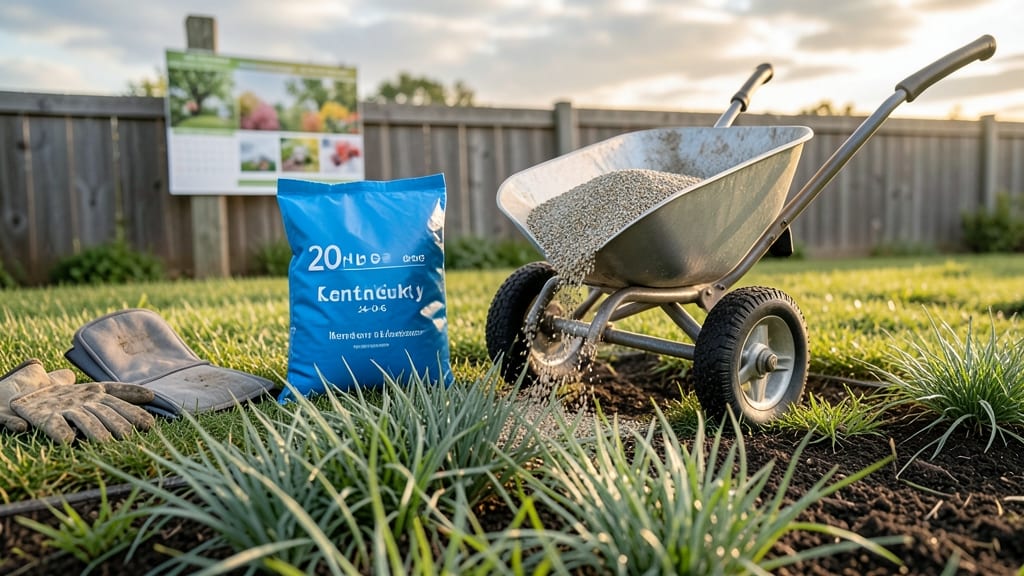
Fertilizing your lawn in Ohio at the right time means the difference between a lush, green carpet and a patchy, weed-filled mess—especially with spring and fall being the two golden windows.
Ohio’s unpredictable spring rains and cold snaps can leave even the most patient gardeners guessing: When is the real best time to fertilize my lawn? Get it wrong, and you’ll waste money—or worse, fuel weeds instead of grass. But timing matters more than you think.
Cool-season grasses like Kentucky Bluegrass and Tall Fescue (the most common in Ohio’s Zone 6a) thrive when soil temperatures hit 50°F or warmer, usually by mid-April. That’s when your first feeding should happen—before weeds like crabgrass even think about germinating.
Below, I’ll walk you through the exact month-by-month schedule Ohio gardeners swear by, including how to adjust for clay soil, drought, and whether organic or synthetic fertilizers work better for your yard. No more guesswork—just a lawn that stays ahead of the game.
Ohio’s ideal fertilization schedule: spring vs. fall timing explained
Ohio’s cool-season grasses like Kentucky bluegrass and fescue thrive when fertilized at the right times—early spring and late fall. But with Ohio’s 50°F soil temperature threshold and regional microclimates, timing can feel like a guessing game.
According to OSU Extension, fertilizing too early or late wastes nutrients and invites weeds. Let’s break down the science behind Ohio’s two critical windows.
Many gardeners assume fall fertilization is just for winter prep, but research shows it’s 60% more effective for root strengthening. Meanwhile, spring feeding kickstarts growth—but only if soil temps stay above 50°F for 7+ days.
Skip this rule, and you’ll see slow uptake or even fertilizer burn. Let’s compare the two seasons side by side.
| Factor | Spring Fertilization (March-April) | Fall Fertilization (September-October) |
|---|---|---|
| Best Time | After last frost (soil 50°F+) | 6-8 weeks before frost (Sept-Oct) |
| Primary Goal | Stimulate top growth for green-up | Strengthen root systems for winter |
| Soil Temp | 50°F+ (use soil thermometer) | 55-65°F (avoid freezing soil) |
| Fertilizer Type | High-nitrogen (24-0-6) | Balanced (10-10-10 or organic) |
| Microclimate Note | North Ohio: Wait 2 weeks longer for soil warmth | South Ohio: Apply earlier (late Aug) |
North Ohio’s cooler microclimates (like Cleveland) often mean delaying spring fertilization until mid-April, while southern Ohio (like Cincinnati) can start as early as late March. Use a soil thermometer to confirm temps—this is the #1 mistake gardeners make.
OSU Extension data shows lawns fertilized at 50°F+ soil temps grow 30% faster than those fertilized in cold soil.
Fall fertilization gets overlooked, but it’s critical for Ohio’s clay-heavy soils. Applying in September (not October!) gives grass time to absorb nutrients before dormancy. Skip this, and your lawn weakens over winter—leading to thin spots and weed invasions.
Pro tip: Pair fall fertilizer with overseeding for a thicker lawn next spring.
One common myth is that winterizing fertilizers are necessary. OSU Extension debunks this—standard fall fertilizer (with low nitrogen) works just as well. The key is timing: Apply when daytime temps are 60-70°F and nights dip into the 40s.
This sweet spot ensures nutrient uptake without encouraging late-season growth that freezes.
For organic gardeners, compost or manure tea in fall adds slow-release nutrients while improving soil structure. Synthetic fertilizers work too, but Ohio’s acidic soils often need a lime application (pH 6.0-7.0) before fertilizing. Test your soil in early spring to avoid wasting fertilizer on nutrient-locked clay.
Adjust your schedule if you’re overseeding. Apply a starter fertilizer (high phosphorus) when seeding in late summer/fall, then follow up with a low-nitrogen feed in early spring. This two-step process ensures roots establish before the growing season kicks in.
Remember: Never fertilize when rain is forecast within 24 hours. Runoff wastes nutrients and pollutes local waterways. Ohio’s variable rainfall makes this tricky—check the 7-day forecast before applying. A light watering after fertilization helps activate granules, but heavy rain can wash everything away.
By mastering these two windows, your Ohio lawn will stay lush and resilient year-round. Start with early spring for green-up, then late fall for winter prep—and watch weeds struggle to compete. Happy growing! 🌱
5 Signs your Ohio lawn needs fertilizer (and when to act)
If your lawn looks tired or patchy, it’s likely sending you a fertilizer SOS. Ohio’s clay-heavy soils and unpredictable weather make it tricky to spot nutrient deficiencies. But don’t panic—these 5 clear signs will tell you when to grab that fertilizer spreader.
Acting fast can mean the difference between a lush green lawn and a weed-filled battlefield.
First, check for soil color changes. Healthy Ohio lawns should be a vibrant green, but if you’re seeing yellowing patches or dull, grayish hues, your grass isn’t getting enough nutrients. This is especially common in compacted clay soils, where water and nutrients struggle to reach the roots.
Another red flag? Weeds dominating—thick clover or crabgrass means your grass is too weak to compete.
Ohio’s cool-season grasses (like Kentucky bluegrass) thrive with regular feeding, but they’ll show stress if neglected. Look for thin or sparse growth—if you can see bare soil or dirt clumps when you walk across the lawn, it’s time to fertilize.
Even worse? Brown or dead patches that won’t bounce back after watering. These are often signs of nutrient starvation or fungal issues, both of which can be prevented with the right fertilizer.
🌱Pro Tip: Test your soil first! Ohio’s acidic soils often need a pH adjustment (aim for 6.0–7.0). Grab a DIY soil test kit (around $15) or send a sample to your local OSU Extension office for a detailed report.
This step saves money by telling you exactly what your lawn needs—whether it’s nitrogen, phosphorus, or potassium.
🌱 5 Signs Your Ohio Lawn Needs Fertilizer
- 🟢 1. Dull or Yellowing Grass: Pale or grayish hues mean nutrient deficiency.
- 🌱 2. Patchy or Thin Growth: Bare spots or clumps of dirt signal weak grass roots.
- 🪴 3. Weed Overtake: Crabgrass or clover thrives when your lawn is nutrient-starved.
- 💧 4. Slow Recovery After Mowing: Grass stays flattened or doesn’t bounce back.
- 🏗️ 5. Compacted Soil: Footprints or tire marks linger, blocking water/air flow.
⏰ When to Act: Spring (March–April) or early fall (September) for best results.
Timing is everything in Ohio. If you spot these signs in early spring, fertilize as soon as soil temps hit 50°F+ to jumpstart growth. But if weeds like crabgrass are already popping up, act fast—apply a pre-emergent fertilizer within 2 weeks of germination season (usually late April).
For fall feeding, aim for September to help grass store nutrients for winter.
Don’t let Ohio’s clay soil challenges or unpredictable weather fool you—your lawn is begging for help if it’s showing these signs. A little fertilizer at the right time can turn those brown patches into a vibrant green carpet before you know it.
And remember: overseeding in fall (after fertilizing) can give your lawn a second chance to fill in thin spots.
🌿 Ready to revive your lawn? Grab a soil test kit, pick the right fertilizer for Ohio’s climate, and get feeding—your grass will thank you with a thicker, greener look by summer!