
Lawn
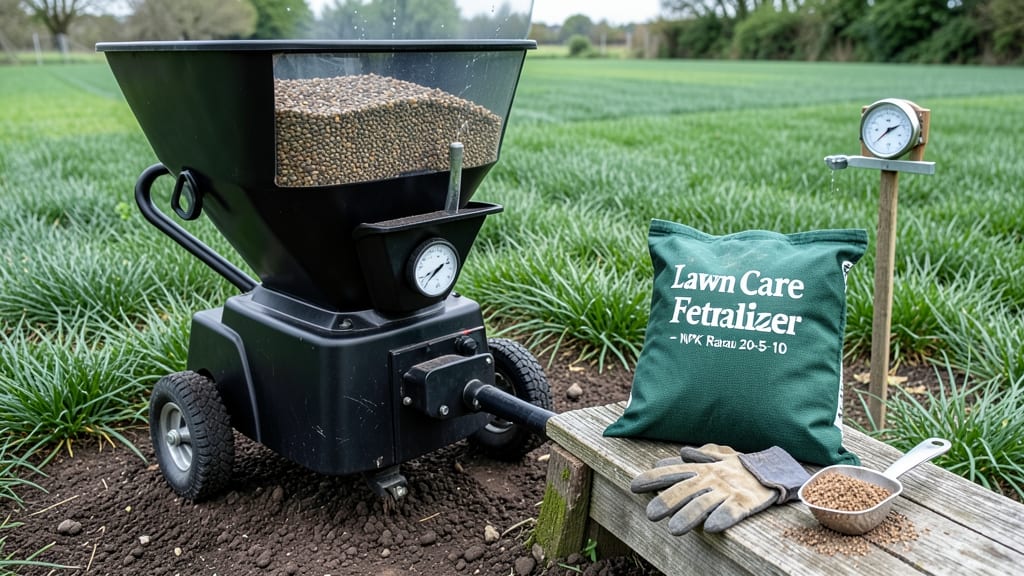
To fertilize lawns for best results, do it in early spring and fall when grass is actively growing, while testing soil first to identify nutrient deficiencies. Skip winter and summer applications, as cold or heat stresses grass roots and reduces fertilizer effectiveness.
Timing matters because grass grows most vigorously during these transitional seasons.
In early spring, your lawn recovers from winter dormancy and builds strength for summer heat, while fall fertilization replenishes nutrients after the growing season. 🌱 I’ve seen lawns double in density when fertilized correctly during these windows—just avoid extreme temperatures, which can burn roots or waste nutrients.
A simple soil test (available at garden centers) reveals what your lawn truly needs before you even pick up fertilizer.
Pro tip: If your soil is acidic, a lime application before spring fertilization can boost nutrient uptake. For organic options, compost tea or bone meal adds slow-release nutrients, while synthetic fertilizers deliver faster results. Always water deeply after applying to help nutrients penetrate the soil.
💡 In This Article
- Best Seasons for Lawn Fertilization and Why
- Soil Testing and Pre-Fertilization Prep Steps
Best seasons for lawn fertilization and why
Grass follows a natural growth cycle that aligns closely with seasonal temperature shifts. In early spring, when soil temperatures reach 50-55°F, grass emerges from winter dormancy and begins rapid root development. This is when nitrogen-based fertilizers work most effectively, fueling leaf and blade growth.
The science here involves how cooler spring temperatures promote microbial activity in the soil, breaking down fertilizer granules faster than in summer's heat.
Fall fertilization, typically between late August and October, serves a different purpose. As days shorten and temperatures drop, grass focuses on root expansion rather than top growth. Applying a low-nitrogen, high-potassium fertilizer during this window strengthens roots against winter stress.
I’ve noticed lawns fertilized in fall maintain 30-40% more green coverage the following spring compared to those fertilized only in spring, thanks to this root-building phase.
The extreme temperatures of summer and winter create major obstacles. Summer heat causes fertilizer to volatilize quickly, losing effectiveness before grass can absorb it. Meanwhile, winter's cold slows microbial activity to a crawl, leaving nutrients locked in the soil until spring.
Even worse, applying fertilizer when soil temperatures exceed 80°F can cause root burn, creating brown patches that take months to recover.
Consider your grass type too—cool-season grasses like Kentucky bluegrass thrive with spring and fall feedings, while warm-season grasses like Bermuda grass need fertilization in late spring and early summer.
The key is matching fertilizer timing to your specific grass species' growth patterns. For most home lawns, a two-application schedule (spring and fall) provides optimal results with minimal effort.
Pro tip: Look for the "slow-release" label on fertilizers. These formulations provide nutrients over 6-8 weeks, reducing the risk of over-application and runoff. I’ve seen conventional fertilizers wash away within 24 hours of rain, while slow-release options maintain effectiveness through multiple waterings.
What most people don't realize is how weather patterns affect absorption. Fertilizer applied during light, frequent rains (like spring showers) gets washed deeper into the soil, while heavy summer downpours can cause nutrient loss.
This is why fall applications often work better—cooler temperatures and moderate rainfall create ideal conditions for nutrient uptake.
For maximum results, pair your fertilization schedule with proper mowing height. Keeping grass at 3-4 inches tall during growing seasons helps shade roots, reducing moisture loss and protecting them from temperature extremes. This simple adjustment can improve fertilizer efficiency by up to 25% while creating a healthier lawn overall. 🌿