
Lawn
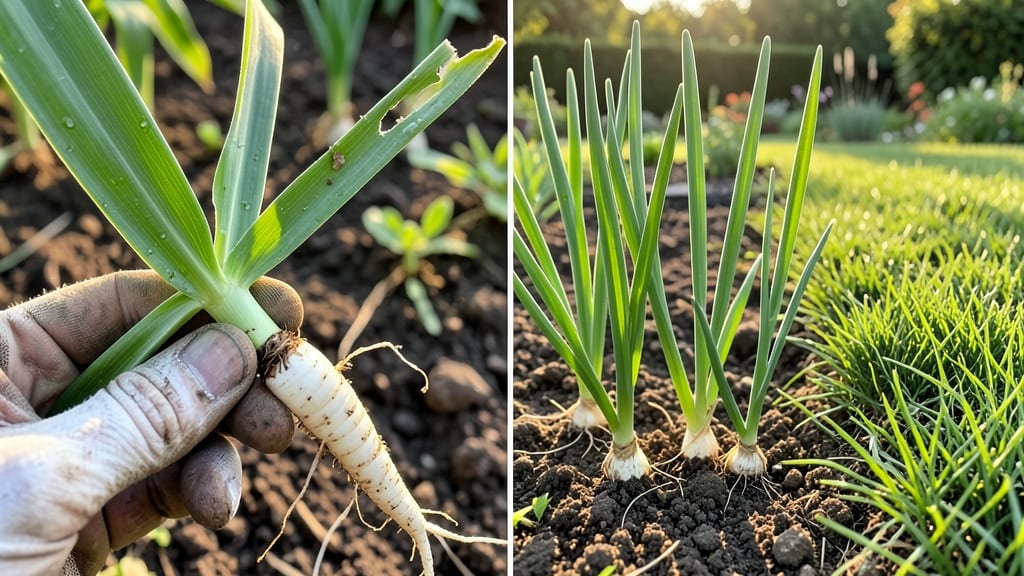
Onion weeds in lawns are the sneaky invaders that multiply faster than you can say "spring cleanup." 🌱 I’ve wrestled with these grass-like weeds myself—until I discovered a pull-and-disappear method that actually works without harsh chemicals. The secret? Timing, leverage, and a little elbow grease.
These weeds thrive where lawns are thin or overwatered, sending up those telltale onion-scented shoots in early spring. Most store-bought sprays miss the roots, leaving them to regrow. My technique targets the entire plant, including the underground bulbs, so they vanish for good after just a few pulls.
You’ll see results within a week—no more pungent patches ruining your mowable carpet. The best part? Your lawn fills in faster without the chemical aftereffects that harm pets or kids playing outside. Works for wild garlic, onion grass, and even tougher Allium species. Here’s how to make them disappear permanently.
Root Causes of Onion Weed Invasion
Onion weed—Asphodelus fistulosus—may seem like an unexpected intruder in your well-manicured lawn, but its arrival is rarely random. Understanding the why behind its persistence is the first step to eradicating it for good.
Let’s break down the science and environmental triggers that turn your grass into an onion weed buffet.
Onion weed thrives in compacted, nutrient-poor, or alkaline soils, where most lawn grasses struggle. Here’s why:
- Low organic matter: Healthy lawns rely on decomposed plant material (humus) to retain moisture and nutrients. Onion weed, however, prefers lean, sandy, or clay-heavy soils where competition for resources is minimal. If your soil lacks compost or topsoil, you’ve created the perfect vacation spot for these weeds.
- High pH levels: Onion weed flourishes in alkaline soils (pH 7.0+). Grass, especially cool-season varieties like Kentucky bluegrass, prefers slightly acidic to neutral soil (pH 6.0–7.0). If your soil test reveals a pH above 7.5, onion weed seeds will germinate like popcorn in a hot pan.
- Compacted roots: Heavy foot traffic, construction, or clay soil can compress the root zone, restricting grass growth. Onion weed’s fibrous roots penetrate compacted layers with ease, while grass roots suffocate.
Actionable fix: Conduct a soil test (DIY kits are cheap!) and amend with sulfur (to lower pH) or compost (to improve structure). Aerate annually to relieve compaction.
Contrary to popular belief, onion weed doesn’t just appear in shady spots—it loves full sun. Here’s the science:
- Photosynthetic efficiency: Onion weed has a C3 photosynthetic pathway, which means it converts sunlight into energy more efficiently in hot, dry conditions than many grass species. When summer heat stresses your lawn, onion weed thrives while grass goes dormant.
- Seed germination triggers: Onion weed seeds require sunlight to germinate. If your lawn has bare patches (from thin grass, pet urine, or drought), seeds lying on the soil surface will sprout within 7–14 days of exposure.
- Drought resistance: Once established, onion weed develops a deep taproot, allowing it to outcompete grass for water during dry spells. Your lawn may look brown, but onion weed? Lush and green.
Actionable fix:
- Mow high (3–4 inches) to shade the soil and reduce weed seed exposure.
- Water deeply but infrequently (1–1.5 inches per week) to encourage deep grass roots.
- Apply a pre-emergent herbicide in early spring (like corn gluten meal) to block sunlight-triggered germination.
Onion weed is a pioneer species, meaning it colonizes disturbed or newly seeded areas faster than grass. Common triggers include:
- Construction or landscaping: Digging, grading, or installing hardscapes exposes bare soil, giving onion weed seeds the perfect entry point. Even “repaired” lawns with patchy sod can become weed magnets.
- Over-seeding mistakes: If you spread grass seed without prepping the soil (e.g., no tilling, no herbicide to kill existing weeds), onion weed seeds already in the soil will outgrow your new grass.
- Thatch buildup: A thatch layer thicker than ½ inch blocks grass roots but traps moisture and seeds at the surface—ideal for onion weed germination.
Actionable fix:
- Before seeding, till or aerate to mix in herbicide (like glyphosate) and bury weed seeds.
- Use weed-block fabric under new sod to prevent sprouts for 6–12 months.
- Dethatch if your layer exceeds ½ inch—never use a vertical mower on thick thatch.
Onion weed doesn’t just appear out of nowhere—it hitchhikes via wind, water, and even your shoes. Here’s how:
- Wind dispersal: Each onion weed plant produces thousands of tiny, papery seeds that can travel hundreds of feet on a breezy day. If your neighbor’s lawn is infested, their seeds will colonize your yard like a viral meme.
- Water runoff: Irrigation or rain can carry seeds from sidewalks, driveways, or garden beds into your lawn. One irrigation cycle = free weed delivery.
- Equipment transfer: Mowers, rakes, and even pet paws can unwittingly spread seeds from infested areas to pristine ones. A single seed stuck to a mower blade can create a new colony.
Actionable fix:
- Inspect lawn equipment after use—clean blades and wheels with a vinegar-water spray (1:1 ratio) to kill hitchhiking seeds.
- Install a 12-inch border of mulch or gravel around your lawn to block seed drift from sidewalks.
- Ask neighbors to treat their lawns first—a united front stops the spread faster.
Pro Tip: 💡 Onion weed’s deep taproot makes it resilient to shallow watering. If you’ve tried pulling it and it keeps coming back, the root may still be 12+ inches underground. Next section: How to dig it out for good.
How to Fix Onion Weeds Naturally
Now that you know why onion weeds (or Allium species like wild garlic and onion grass) invade your lawn, let’s tackle them with effective, eco-friendly solutions—no harsh chemicals required.
Below, we’ve mapped out practical fixes based on the root causes, along with prevention tips to keep your lawn weed-free long-term.
---
Onion weeds thrive because their bulbs and roots regrow easily—so you must remove everything underground. Here’s how to do it right:
#### 🍳 Step 1: Identify the Weed - Wild garlic/onion: Flat, grass-like leaves with a garlic/onion scent when crushed. - Onion grass (Allium vineale): Hollow stems with purple-tinged bulbs at the base. - Pro tip 💡: Pull a small patch first to confirm—some weeds (like chives) might look similar but aren’t invasive!
#### 👨🍳 Step 2: Pull at the Right Time - Best time: Early spring or fall (when soil is moist but not muddy). - Avoid: Pulling in dry summer—roots may break off and regrow. - Tool up: Use a weeding fork or dandelion digger for stubborn bulbs.
#### 🥘 Step 3: Extract the Entire Root System - Grip the base and twist to loosen the bulb (don’t just yank—this leaves pieces behind!). - Check for remnants: Brush off soil and inspect for tiny bulblets. - Dispose properly: Do NOT compost—bag and trash them (or burn if possible) to prevent regrowth.
#### ⏰ Step 4: Monitor & Repeat - Recheck weekly for new sprouts (they’re sneaky!). - First year: Expect multiple rounds—these weeds are persistent.
--- If manual removal feels like a losing battle, vinegar-based sprays or boiling water can help—but timing is key.
#### 🌡️ Option 1: Vinegar + Salt + Dish Soap (Spot Treatment) | Ingredient | Amount | Why It Works | |----------------------|--------------------------|------------------------------------------| | White vinegar (20%) | 1 gallon | Kills weeds by dehydrating them. | | Salt | 1 cup | Breaks down cell walls. | | Dish soap | 1 tbsp | Helps solution stick to leaves. |
How to use: 1. Mix in a spray bottle and apply directly to weeds (avoid grass—this will kill it too!). 2. Spray on a sunny day (enhances effectiveness). 3. Reapply every 3–5 days until weeds die (usually 1–2 weeks).
⚠️ Warning: Only use on small patches—salt can harm soil over time.
#### 🎯 Option 2: Boiling Water (For Small Areas) - Best for: Sidewalks, driveways, or dense weed patches. - How: Pour boiling water directly onto the base of the weed. - Why it works: The heat instantly kills the plant and bulb. - Bonus: Free and chemical-free!
--- Once you’ve cleared the invaders, keep them from coming back with these low-effort strategies:
#### ✨ 1. Improve Your Lawn’s Health - Mow high (3–4 inches) to shade out weeds. - Aerate & overseed in fall to fill bare spots (weeds love thin grass). - Water deeply but infrequently (1–1.5 inches per week) to stress out weeds.
#### 💡 2. Use Mulch in Problem Areas - Grass clippings, straw, or wood chips smother weed seeds. - Best for: Borders, flower beds, or high-traffic areas where weeds pop up often.
#### 🍎 3. Natural Weed Barriers - Cardboard + Newspaper: Lay down wet layers under mulch to block light (weeds need sunlight to grow!). - Landscape fabric (with holes for water/air) can prevent new weeds from sprouting.
#### 🔥 4. Encourage Beneficial Plants - Clover or creeping thyme are weed-resistant ground covers that outcompete onion weeds. - Plant bulbs like daffodils—they naturally repel onion weeds with their toxins.
--- - ❌ Don’t just cut the tops—this encourages more growth from the bulb. - ❌ Avoid synthetic herbicides (they can harm beneficial insects and may not target onion weeds specifically). - ❌ Don’t till the soil—this buries weed fragments, leading to more regrowth.
--- Onion weeds are tenacious, but with a mix of pulling, natural treatments, and prevention, you can regain control of your lawn. Start small, stay vigilant, and soon you’ll have a lush, weed-free yard—without breaking a sweat (or the bank)!
Need a quick reference? Bookmark this guide and check back every season to keep those onion weeds at bay! 🌿💪
Frequently asked questions
Why does onion weed keep coming back after I pull it?
Onion weed has deep, bulbous roots that store energy—if you don’t remove the entire bulb, even tiny fragments can regrow. The secret is to pull when soil is moist (early spring/fall) and twist to loosen the bulb completely. Check for remaining pieces by brushing off soil and inspecting for bulblets.
Can I use regular vinegar to kill onion weed?
Yes, but you’ll need 20% acetic acid vinegar (not household vinegar) mixed with 1 cup salt and 1 tablespoon dish soap per gallon. Spray directly on weeds on a sunny day, avoiding grass. Reapply every 3-5 days until weeds die—it’s effective but may harm surrounding plants.
How do I tell onion weed apart from grass?
Crush the leaves—onion weed smells like garlic or onions, while grass has no odor. The leaves are also flat and hollow, and you’ll often see a small bulb at the base. Wild garlic has broader leaves than grass, while onion grass has a distinctive onion scent and purple-tinged bulbs.
Will mowing help control onion weed?
Mowing alone won’t eliminate onion weed, but keeping grass 3-4 inches tall shades the soil, making it harder for weed seeds to germinate. Mow frequently to prevent seed heads from forming, which spreads the weed. Pair mowing with pulling or natural treatments for best results.
Are there any plants that naturally repel onion weed?
Yes! Planting daffodils, clover, or creeping thyme around your lawn creates a natural barrier. These plants release chemicals that inhibit onion weed growth. Daffodils are especially effective—their bulbs contain toxins that deter onion weed from establishing nearby.