
Lawn
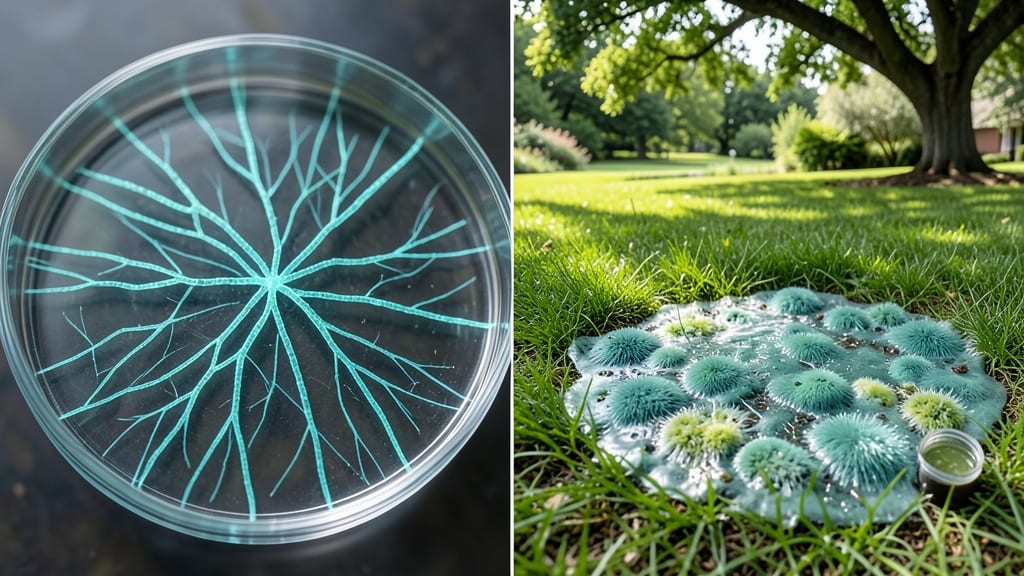
That slimy green carpet creeping across your lawn isn’t moss—it’s nostoc, a tough cyanobacteria that thrives where grass struggles. 🌱 I’ve battled it in my own yard, and the good news? You can reclaim your lawn naturally without harsh chemicals that harm the environment (or your kids’ bare feet).
The problem starts with compacted soil, poor drainage, or too much shade—nostoc loves these conditions like a weed loves a crack in the pavement. My lawn had it worst in the shady spots near the fence, where grass gave up and nostoc moved in.
The fix isn’t about killing it (though that works) but about giving grass a fighting chance again. Once you improve drainage, aerate, and overseed with shade-tolerant grass, the nostoc starves out over time. I saw results within 6 weeks—less slime, more green.
The key is consistency: keep mowing high, water deeply but less often, and watch that green carpet shrink away for good. Works for any lawn, whether you’ve got full sun or the shadiest corner. Let’s get your grass back in control—naturally.
The Hidden Triggers Behind Lawn Nostoc
If your lawn has suddenly sprouted patches of that mysterious, slimy green carpet—likely nostoc—you’re probably wondering why it appeared out of nowhere. This resilient cyanobacterium thrives under specific conditions, often turning your grass into a vibrant (but unwanted) green mat.
Understanding the root causes helps you address the issue effectively. Here’s why nostoc might be taking over your lawn:
Nostoc loves moisture—too much of it. When lawns receive excessive irrigation, rain, or poor drainage, water pools in the soil, creating the perfect breeding ground for this algae-like organism. Unlike grass, which needs consistent but not soggy conditions, nostoc thrives in saturated environments where oxygen is limited.
Why it happens:
- Compacted soil prevents water from draining properly, leaving pockets of standing water.
- Overwatering (especially in hot climates) can drown grass roots while encouraging nostoc growth.
- Low-lying areas or slopes where water naturally collects become hotspots for nostoc blooms.
Actionable fix: Test your soil’s drainage by digging a small hole and filling it with water. If it drains slowly (more than 6 hours), aerate the lawn and consider installing a French drain or improving slope grading.
Paradoxically, intense sunlight and heat can also trigger nostoc outbreaks. When grass struggles under extreme conditions—like drought followed by sudden heavy rain—it weakens, leaving gaps for nostoc to colonize. The algae acts like a survival mechanism, filling in where grass can’t recover.
Why it happens:
- Heatwaves stress grass roots, reducing their ability to compete with nostoc.
- Reflective surfaces (like driveways or sidewalks) amplify sunlight, creating microclimates that favor nostoc.
- Thin or dead grass patches provide open space for nostoc spores to land and spread.
Actionable fix: Water deeply but less frequently during heatwaves to encourage deep root growth. Mow grass slightly higher (3–4 inches) to shade the soil and reduce heat stress.
Nostoc doesn’t need rich soil—it thrives in impoverished or nutrient-poor conditions where grass struggles. If your lawn lacks nitrogen or has an excess of phosphorus (common in synthetic fertilizers), grass weakens, while nostoc flourishes. Even organic matter buildup (like decomposed leaves or thatch) can create the ideal environment.
Why it happens:
- Over-fertilization with phosphorus (e.g., bone meal or high-P lawn fertilizers) promotes nostoc while starving grass of nitrogen.
- Low organic matter leads to poor soil structure, making it harder for grass to outcompete nostoc.
- Acidic soil (pH < 6.0) inhibits grass growth but suits nostoc’s preferences.
Actionable fix: Conduct a soil test to check pH and nutrient levels. If phosphorus is high, switch to a nitrogen-rich fertilizer (like urea or compost). Lime the soil if pH is too low (aim for 6.0–7.0 for most grasses).
One of the most common triggers for nostoc outbreaks is a drought followed by heavy rain. Prolonged dry spells weaken grass, and when water suddenly returns, nostoc spores—always present in soil—germinate rapidly. This "boom-and-bust" cycle is why nostoc often appears in spring or after summer storms.
Why it happens:
- Dormant spores in soil activate when moisture returns, especially if grass is already stressed.
- Flash flooding washes away organic debris, exposing bare soil for nostoc to colonize.
- Slow grass recovery leaves gaps that nostoc fills within days.
Actionable fix: After a drought, water gradually to revive grass before nostoc gets a foothold. Avoid overwatering immediately post-drought—aim for 1–1.5 inches per week to balance moisture.
By tackling these underlying issues, you can starve out nostoc and restore your lawn’s natural balance—without harsh chemicals. The key is consistency: proper drainage, smart watering, and soil health will help grass outcompete this persistent green invader.
Quick Fixes for Green Lawn Invaders
Removing that unsightly green algae (often mistaken for moss or weeds) from your lawn doesn’t have to mean harsh chemicals. With the right approach, you can restore your grass’s natural beauty while keeping your yard healthy.
Below are targeted solutions based on the most common causes—plus prevention tips to keep your lawn looking lush and green-free long-term.
---
Overwatering or poor drainage creates the perfect breeding ground for nostoc (that slimy green carpet). Fix it fast with these steps:
#### 💦 Improve Drainage in 3 Steps 1. 🔪 Aerate the Soil – Rent a core aerator or use a manual spike aerator to create holes (2–3 inches deep) every 3–6 inches. This helps water drain instead of pooling.
2. 🌱 Top-Dress with Sand or Compost – Mix coarse sand or organic compost into the aerated holes to improve soil structure. Aim for a ¼-inch layer over the lawn. 3. 🚰 Adjust Your Watering Schedule – Water deeply but infrequently (1–1.5 inches per week, including rain).
Early morning (before 10 AM) is best to reduce evaporation and fungal growth.
#### 💡 Pro Tip: If your yard has clay soil, consider installing French drains or swales (shallow trenches) to redirect water away from problem areas.
---
Shady spots encourage nostoc because grass struggles to outcompete it. Boost sunlight and grass health with these moves:
#### 🌿 Thin Out Overgrown Grass or Trees - 🪓 Prune Trees & Shrubs – Trim branches to let at least 6 hours of sunlight reach the lawn daily. - 🌱 Overseed with Shade-Tolerant Grass – Switch to fine fescue, Kentucky bluegrass, or creeping red fescue, which handle low light better than standard turf.
#### 💡 Pro Tip: If shading is permanent (e.g., from a large tree), consider removing the nostoc manually with a rake or stiff brush after drying it out, then reseeding.
---
Too much nitrogen or phosphorus (from fertilizers) fuels nostoc growth. Reset the balance with these steps:
#### ⚖️ Test & Adjust Soil pH & Nutrients 1. 📊 Get a Soil Test – Use a DIY test kit or send a sample to a local extension office.
Aim for: - pH: 6.0–7.0 (nostoc thrives in alkaline soil, so lower pH if needed). - N-P-K Ratio: Reduce phosphorus if levels are high (use a low-P fertilizer like 20-0-5). 2. 🍄 Apply Lime or Sulfur – If pH is too high (>7.0), add pelletized sulfur (follow package rates).
For low pH (<6.0), use dolomitic lime.
#### 💡 Pro Tip: Avoid synthetic fertilizers temporarily—switch to organic options like compost tea or worm castings to feed grass without feeding algae.
---
For stubborn patches, physical removal + prevention works best:
#### 🧹 Step-by-Step Cleanup 1. 🌞 Let It Dry Out – Wait for a hot, sunny day (nostoc dries and crumbles easily). 2. 🧹 Rake or Brush It Off – Use a stiff-bristle brush or lawn rake to scrape it into a pile.
3. 🗑️ Dispose of It Properly – Don’t compost it (it can regrow)—bag and trash it. 4. 🌱 Reseed or Overseed – Sprinkle grass seed and top with straw mulch to protect new growth.
#### 💡 Pro Tip: Vinegar spray (1:1 ratio with water) can kill nostoc on contact—just avoid spraying grass if you plan to overseed soon.
---
Once you’ve banished it, stop it from coming back with these habits:
- ⏰ Mow High – Keep grass at 3–4 inches to shade out nostoc. - 💧 Water Deeply, Not Often – 1–1.5 inches per week prevents moisture buildup. - 🌱 Improve Grass Density – Overseed thin areas in fall for a thick, competitive turf. - 🚫 Avoid Over-Fertilizing – Stick to slow-release, low-nitrogen fertilizers (like 20-5-10). - 🌿 Check for Moss First – If nostoc keeps returning, you may have underlying moss—treat with iron sulfate or sand top-dressing.
--- Final Thought: With the right mix of drainage, sunlight, and soil balance, your lawn can stay nostoc-free and vibrant—no chemicals needed! Start with one fix, monitor progress, and adjust as you go. 🌱✨
Frequently asked questions
Is nostoc harmful to my lawn or pets?
Nostoc itself isn't toxic to grass, but it crowds out your lawn by smothering grass roots and preventing sunlight from reaching them. For pets, it's generally safe—nostoc isn't poisonous like some algae—but the slimy texture might make your dog or cat hesitant to walk on it. The real issue is what's causing it (like poor drainage or overwatering), which can harm your lawn's health long-term.
How can I tell if it's nostoc vs. moss or algae?
Nostoc forms thick, mat-like green carpets that feel slightly slimy when wet, while moss stays soft and fluffy. Unlike moss, nostoc doesn't have leafy structures—it's more like a continuous green sheet. Algae usually appears as filmy, scattered patches rather than dense mats. The best test? If it dries out and crumbles easily in sunlight, it's likely nostoc.
Will vinegar really kill nostoc?
Yes, but use it carefully! A 1:1 vinegar-water spray (white vinegar) kills nostoc on contact by disrupting its cell structure. For best results, spray on a dry day and avoid treating grass if you plan to overseed soon—vinegar can harm young grass seedlings. Reapply every 3-5 days until the green carpet disappears, then focus on fixing drainage and soil conditions.
How long does it take to completely remove nostoc?
With proper treatment, you'll see noticeable improvement in 2-4 weeks, but complete removal can take 3-6 months depending on your lawn's condition. The fastest results come from combining physical removal (raking) with drainage fixes and overseeding. Be patient—nostoc spores persist in soil, so consistent lawn care (proper watering, mowing height, and soil testing) is key to preventing regrowth.
Can I use corn gluten meal to prevent nostoc?
Corn gluten meal helps prevent weeds but won't directly kill nostoc. However, it can improve soil health by adding organic matter and encouraging grass growth—making your lawn more competitive against nostoc. For best results, apply ½ pound per 100 sq ft in early fall (when grass is actively growing) and combine with proper drainage solutions. The grass will outcompete the nostoc over time.