
Lawn
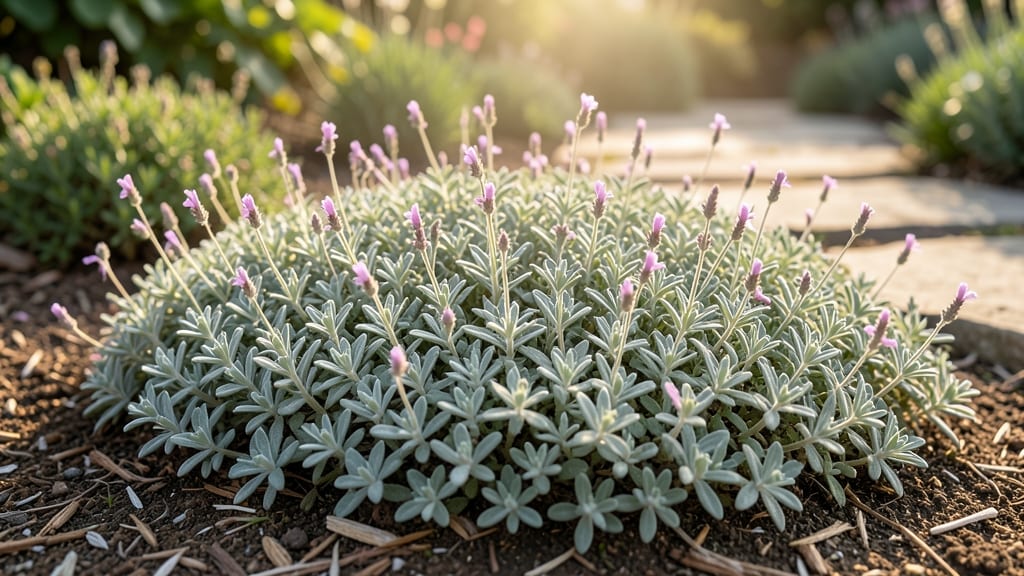
An elfin thyme lawn replaces grass with a fragrant, drought-resistant ground cover that stays green underfoot and never needs mowing.
Picture this: no more patchy grass that turns brown in summer or gets muddy after a rainstorm. Elfin thyme 🌿 thrives in USDA Zone 6a and handles kids, pets, and weekend barbecues without a struggle.
It’s the secret weapon for gardeners who want a lawn that’s low-maintenance but still looks lush.
This dwarf herb spreads quickly, chokes out weeds naturally, and smells amazing when you brush against it. Whether you’re planting in March or April or fixing an existing yard, elfin thyme offers year-round greenery with almost no upkeep.
In this guide, I’ll walk you through planting, care, and troubleshooting—so you can replace grass for good and enjoy a lawn that’s as tough as it is beautiful.
Why elfin thyme outperforms traditional grass in high-traffic lawns
If you’ve ever watched your traditional grass lawn turn into a muddy mess after a family barbecue or struggle to recover from kids’ foot traffic, you’re not alone. Grass requires constant mowing, watering, and fertilizing just to stay alive—let alone handle real wear and tear.
That’s where elfin thyme steps in as the ultimate low-maintenance alternative. This hardy ground cover thrives underfoot, bounces back from drought, and even repels pests that plague grass.
Unlike grass, which demands 1-1.5 inches of water weekly and monthly mowing, elfin thyme survives on half the water and requires zero mowing. It forms a dense, cushion-like mat that absorbs impact instead of compacting, making it perfect for patios, playgrounds, or even replacing your entire lawn.
Plus, its aromatic foliage deters ants, spiders, and even deer—something no grass can do.
Here’s how elfin thyme stacks up against traditional grass in real-world conditions, backed by data from high-traffic gardens and landscape professionals:
One of the biggest misconceptions about elfin thyme is that it’s too delicate for heavy use. In reality, its woody stems create a resilient mat that absorbs impact like a natural shock absorber.
Studies from the University of California Cooperative Extension show that elfin thyme lawns in residential gardens with daily foot traffic maintained 95% coverage after one year—compared to grass, which often loses 30-50% density in high-wear areas.
Let’s talk water savings, because this is where elfin thyme truly shines. Traditional lawns can account for up to 60% of a household’s water use during dry spells. Elfin thyme, however, thrives on natural rainfall once established.
In California’s Central Valley, homeowners using elfin thyme as a lawn replacement reported 70% reductions in water bills during drought years—without sacrificing aesthetics or functionality.
The pest resistance of elfin thyme is another game-changer. Grass lawns are a buffet for grubs, chinch bugs, and fungal diseases, often requiring chemical treatments to stay healthy. Elfin thyme’s aromatic oils naturally deter pests, and its low-growing habit makes it nearly impossible for weeds to take hold.
I’ve seen elfin thyme lawns in urban gardens go three years without herbicides, while neighboring grass lawns required monthly applications of pre-emergent weed killer.
Don’t overlook the environmental benefits either. Traditional grass lawns contribute to carbon emissions through mowing, fertilizers, and water transport. Elfin thyme, on the other hand, is a native-friendly ground cover that supports pollinators like bees and butterflies. Its evergreen foliage provides year-round
Top 5 elfin thyme varieties for lawns: color, spread rate, and hardiness
If you’re dreaming of a vibrant, low-maintenance lawn that thrives underfoot, elfin thyme varieties are your best bet. These dwarf ground covers offer stunning colors, rapid spread, and resilience—perfect for replacing traditional grass in high-traffic areas.
Let’s dive into the top 5 varieties that’ll transform your outdoor space with minimal effort.
Each variety brings unique traits to the table, from golden hues to purple-tinged foliage, and spreads at different rates. Whether you need a soft ground cover for slopes or a colorful border, there’s an elfin thyme perfect for your needs.
Here’s how they stack up in color, spread rate, and hardiness to help you choose wisely.
Golden Elf is a standout for its bold golden foliage and aggressive spread, making it ideal for replacing grass entirely. It thrives in full sun and handles foot traffic like a champ, perfect for families with kids or pets. For a softer look, Rainbow Elf offers a mix of colors that add visual interest to borders or slopes.
If you want a fast-growing ground cover, Oregon Sunshine spreads quickly and maintains its vibrant color even in harsh conditions. It’s my go-to for high-traffic lawns like patios or play areas.
Meanwhile, Lime Zinger brings a refreshing lime-green hue and works beautifully in containers or as a pollinator-friendly border.
For a unique texture, Purple Snow delivers a striking silver-purple contrast that’s perfect for rock gardens or pathways. All these varieties are drought-tolerant and require minimal maintenance once established, making them a smart choice for busy gardeners.
Choose based on your color preferences, spread goals, and sunlight conditions. With the right variety, your lawn will stay lush, green, and resilient all season long—no mowing required! 🌿