
Lawn
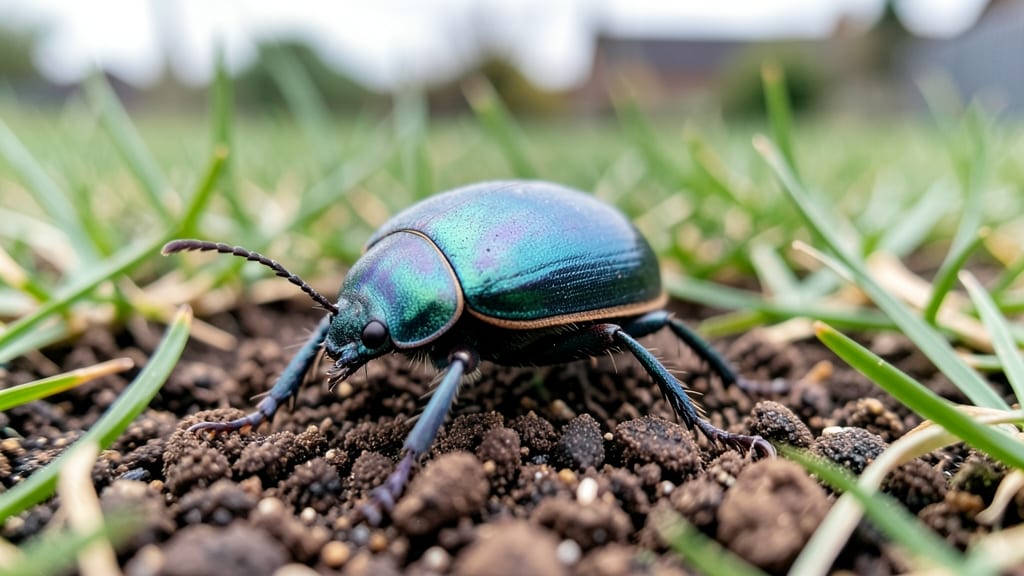
Does sprinkling coffee grounds on lawn keep bugs away? Yes, but only certain ones—caffeine and acidity deter soft-bodied pests like slugs, snails, and ants, while larger insects or deep-burrowing grubs remain unaffected. Overuse can harm soil pH and plant roots.
Coffee grounds work best against soft-bodied pests because caffeine acts as a natural irritant, while the acidity alters their habitat. 🔥 However, this method has limitations—it won’t eliminate hard-shelled insects or deep-burrowing grubs.
I’ve found that combining coffee grounds with diatomaceous earth or neem oil creates a stronger defense system for lawns. Always test a small area first, especially with acid-sensitive plants like hydrangeas or azaleas.
For optimal results, apply 1-2 cups per 10 square feet in early morning or after rain to prevent dehydration. The grounds break down quickly, so reapply every 2-3 weeks during peak pest seasons. Just remember: this is a supplementary tactic, not a standalone solution for severe infestations.
💡 In This Article
- How Coffee Grounds Affect Pests and Soil Chemistry
- Best Practices for Using Coffee Grounds as a Natural Lawn Pest Deterrent
How coffee grounds affect pests and soil chemistry
The caffeine in coffee grounds acts as a natural irritant for soft-bodied insects like slugs and snails. When these pests crawl over treated areas, the caffeine disrupts their nervous systems, causing them to avoid the zone.
Studies show that even small concentrations (around 0.1% caffeine by weight) can deter these pests, as their delicate skin absorbs the compound effectively. 🔥 The texture of coffee grounds also creates a physical barrier that makes movement difficult for slugs and snails, which prefer smooth surfaces.
Acidity plays a crucial role too. Fresh coffee grounds have a pH of about 4.8-5.1, which is significantly lower than most garden soils (typically 6.0-7.5). This acidity alters the soil chemistry in the immediate area, making it inhospitable for many pests.
For example, ants avoid acidic environments because their colonies rely on stable pH levels for their fungal gardens. However, this acidity can also harm beneficial microbes and earthworms if overapplied, as they thrive in slightly acidic to neutral conditions.
What most people don't realize is that coffee grounds work best as a preventive measure rather than a cure. The caffeine and acidity don't kill pests outright but create an environment they actively avoid.
This is why you'll see better results when applying grounds before pests become established. The breakdown process is rapid—coffee grounds decompose within 2-4 weeks, so regular reapplication is key to maintaining effectiveness. 💫
There's a critical balance to consider with soil health. While coffee grounds add nitrogen (about 2% by weight) as they decompose, excessive amounts can lower soil pH too much, particularly in clay-heavy soils.
This can lead to nutrient deficiencies in plants that prefer neutral or slightly alkaline conditions, like lawn grasses. The ideal application rate is 1-2 cups per 10 square feet—any more risks creating an ecological imbalance in your lawn ecosystem.
For a visual comparison, imagine your lawn as a delicate ecosystem: coffee grounds are like adding a mild seasoning to a dish—just enough to enhance flavor (pest deterrence) without overpowering the main ingredients (soil health).
The key is moderation and strategic placement, especially around high-value plants or garden beds where you want to maximize pest control without harming the environment. ✨
One advanced consideration is the timing of application. Fresh coffee grounds are most effective when applied in early morning or after rainfall, as this prevents them from drying out too quickly.
The moisture helps distribute the caffeine and acidity more evenly through the soil, creating a more consistent deterrent effect across your lawn. This simple adjustment can double the effectiveness of your coffee ground treatment. 🌟