
Pests
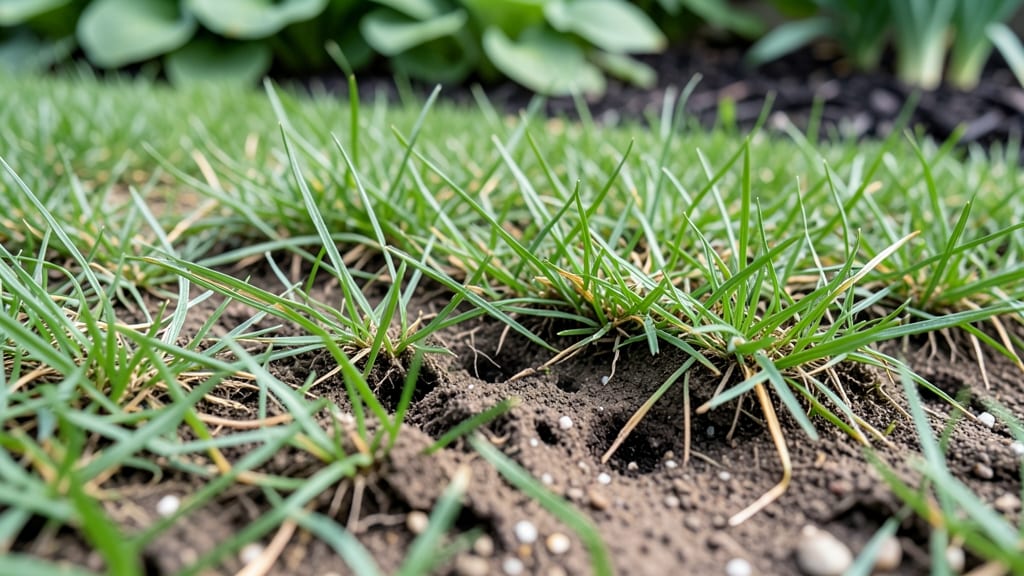
Chipmunk lawn damage turns your carefully tended grass into a tunneling playground overnight. 🌱 I’ve watched them turn a perfectly mowed yard into a maze of holes, and I’m here to share the natural deterrents that finally worked for me—no traps or harsh chemicals needed.
The problem starts when chipmunks dig for grubs, seeds, or shelter in your lawn. They’re clever little engineers, but their habits make them predictable. A few simple adjustments—like removing food sources, blocking entry points, and using scents they hate—can send them packing without harm.
You’ll end up with a lawn that stays intact, not a chipmunk construction site. The best part? These methods protect your soil and plants while keeping these striped troublemakers elsewhere. Works for any yard size and climate—no fancy equipment required. Let’s get started with solutions that actually move the needle.
Root Causes Of Lawn Tunneling
Chipmunks may look like cute, fuzzy rodents, but they’re actually master excavators with a knack for transforming your lawn into a maze of tunnels. Their digging isn’t just random—it’s driven by survival instincts, environmental triggers, and even seasonal behaviors.
Understanding these root causes helps you predict where they’ll strike next and target solutions effectively. Let’s break down the science behind their destructive habits.
Chipmunks are omnivorous opportunists, and their diet shifts with the seasons. In late summer and fall, they stockpile food for winter—a behavior called hyperphagia. But when natural food sources (like seeds, nuts, or insects) are scarce, they turn to your lawn for:
- Grass roots and shoots – High in carbohydrates, these provide quick energy for burrowing and storing fat.
- Buried seeds or bulbs – Chipmunks have an incredible sense of smell (up to 100x more sensitive than humans) and can detect hidden food underground.
- Larvae and grubs – If your lawn has a thriving insect population, chipmunks will dig to access an easy protein source.
Actionable insight: If your lawn is overwatered or over-fertilized, it becomes a buffet. Drought-stressed grass or patchy soil also signals to chipmunks that food is concentrated in certain spots.
Chipmunks don’t just dig for food—they’re also architects of underground homes. Their burrows serve multiple purposes:
- Primary nests – Lined with soft materials (leaves, grass, or even shredded paper), these are used year-round for warmth and protection.
- Food caches – A single chipmunk can store thousands of seeds in hidden chambers, requiring extensive tunnel networks.
- Escape routes – Predators (like hawks, owls, or domestic cats) trigger frantic digging to create multiple exits.
Why your lawn? Open, well-drained soil is ideal for digging. Compacted or rocky areas deter them, while loose, sandy, or newly aerated lawns become prime real estate. Pro tip: If you’ve recently tilled or aerated, chipmunks will immediately exploit the disturbed soil.
Chipmunk activity isn’t constant—it’s highly seasonal, with peaks tied to environmental conditions:
| Season | Trigger | Digging Behavior |
|---|---|---|
| Spring | Warmth + emerging insects | Shallow tunnels near surface for grubs; mating season increases territorial digging. |
| Summer | Drought stress in lawn | Deep, erratic digging to reach moisture and roots; food caching begins. |
| Fall | Food scarcity + cooling temps | Peak activity: Extensive tunnel systems for winter food stores and nests. |
| Winter | Snow cover | Minimal surface digging, but they maintain tunnels to access cached food. |
Key takeaway: Fall is the worst time for chipmunk damage—this is when they’re most aggressive about stockpiling. If you see fresh mounds in September or October, act now before they expand their network.
Chipmunks are solitary but competitive. A single chipmunk will defend its burrow system fiercely, and overlapping tunnels between neighbors can lead to:
- Boundary wars – Males, in particular, will dig deeper or wider tunnels to assert dominance.
- Failed caches – If a chipmunk’s stored food is raided by another rodent (or even a squirrel), it will redig to relocate supplies.
- Mating disruptions – During spring, males dig near females’ burrows to signal availability, creating extra mounds.
Urban vs. rural factor: In suburban areas, chipmunks often outcompete other burrowing animals (like moles), leading to more aggressive digging as they claim space.
Bottom line: Chipmunk lawn damage isn’t just about hunger—it’s a combination of survival, reproduction, and territory. The good news? By recognizing these triggers, you can disrupt their cycle before they turn your yard into Swiss cheese. 🧀⛏️
Stopping Chipmunk Chaos Fast
Now that you know why chipmunks are turning your lawn into their personal buffet, it’s time to put an end to the damage—without resorting to harsh chemicals or traps. The key is a multi-pronged approach that combines immediate fixes with long-term prevention.
Below, we’ll break down targeted solutions based on the most common causes of chipmunk lawn destruction, plus pro tips to keep them away for good.
---
Chipmunks love to burrow, and your lawn becomes their DIY construction site. To stop them:
- 🍳 Cover the Soil with Mulch or Gravel Spread a 2–3 inch layer of coarse mulch, pebbles, or pine cones over their favorite digging spots. Chipmunks dislike the texture and will avoid it. Bonus: It also suppresses weeds!
- 👨🍳 Install Hardware Cloth Barriers If they’re tunneling near foundations, patios, or garden beds, bury ¼-inch hardware cloth (not chicken wire—it’s too flimsy) 12 inches deep around the perimeter. Bend the top edge outward to deter climbers.
- ⏰ Rethink Your Watering Schedule Chipmunks seek out soft, moist soil for digging. Water your lawn early in the morning so the ground firms up by evening, making it less inviting.
---
When chipmunks munch on grass, bulbs, or young plants, they’re not just hungry—they’re hoarding food for winter. Disrupt their foraging patterns with these tricks:
- 🔪 Remove Food Sources Immediately - Rake up fallen seeds (especially from bird feeders or vegetable gardens). - Store compost and pet food in metal bins with tight lids. - Pick up fruit from trees or shrubs—chipmunks will climb to reach it!
- 🌡️ Use Natural Repellents Chipmunks hate strong scents.
Sprinkle these around problem areas: - Cayenne pepper or red pepper flakes (mix with water, spray on grass). - Vinegar and water solution (1:1 ratio—safe for grass but unpleasant for pests). - Essential oils like peppermint, eucalyptus, or citronella (dilute with water, reapply after rain).
- 🎯 Plant Chipmunk-Resistant Ground Covers Swap vulnerable plants for thorny or aromatic alternatives: - Lavender (smells great, deters burrowers). - Daffodils (toxic to chipmunks). - Clovers or creeping thyme (harder to dig up).
---
If chipmunks are digging up bulbs or stealing mulch, they’re likely caching food for winter. Make your garden less appealing with these tactics:
- 💡 Bury Bulbs in Wire Cages Plant tulips, daffodils, or crocus in hardware cloth cages (like chicken wire, but sturdier) to prevent them from being unearthed.
- ✨ Use Decoy Distractions - Scatter a few acorns or sunflower seeds in a remote corner of your yard—chipmunks will focus there instead of your prized plants. - Place a shallow dish of peanut butter (unsalted) near their active areas—they’ll get stuck and leave.
- 🌱 Choose Raised Beds with Sloped Sides Chipmunks struggle to climb steep, smooth-sided raised beds. Line the bottom with hardware cloth before adding soil.
---
The best way to keep chipmunks away for good is to eliminate what draws them in. Here’s how:
- 🔥 Keep the Lawn Mowed Short Tall grass provides hiding spots and nesting material. Mow regularly to reduce their cover.
- 💪 Remove Brush Piles and Debris Chipmunks love dark, cozy nooks. Clear wood piles, leaf litter, and dense shrubs near your home.
- 🎯 Secure Trash and Compost - Use bear-proof bins (chipmunks are small but determined!). - Never leave pet food outside overnight.
- 🌡️ Install Motion-Activated Sprinklers A sudden spray of water startles chipmunks and trains them to avoid your yard. (Just make sure it doesn’t waste too much water!)
---
- ❌ Avoid poison baits—they can harm pets, wildlife, and children. - ❌ Skip live traps unless necessary—relocating chipmunks is tricky (they’ll just return or die if released far away). - ❌ Don’t overwater—soggy soil = chipmunk paradise.
--- By combining immediate fixes (like mulch and repellents) with long-term yard adjustments, you’ll outsmart chipmunks and reclaim your lawn—without the guilt of harsh methods. 🚀 Try one or two strategies this week and watch the difference!
Frequently asked questions
Why do chipmunks suddenly appear in my lawn in the fall?
Fall is their peak digging season because they prepare for winter by stockpiling food and creating nests. Cool temperatures trigger their instinct to gather seeds, nuts, and even your lawn's grass roots. If you see fresh mounds in September or October, act fast—they'll expand their tunnels before frost sets in.
Will peppermint oil really keep chipmunks away?
Yes! Chipmunks hate strong scents, and peppermint oil is one of their top dislikes. Mix 10-15 drops of peppermint oil with 1 cup of water and spray around digging sites. Reapply every 5-7 days or after rain—it works best when fresh. Just avoid spraying on plants chipmunks might eat (like veggies).
Can I use hardware cloth to stop chipmunks from digging?
Bury ¼-inch hardware cloth (not chicken wire) 12 inches deep around garden beds or problem areas. For existing tunnels, fold the edges outward to prevent them from climbing up. This blocks their access without harming them—just make sure to secure it tightly so they can't dig underneath.
Are chipmunks dangerous to my lawn's health?
Not directly, but their digging can compromise your lawn's roots and create uneven patches. Repeated tunneling disrupts soil structure, making grass vulnerable to disease. The bigger concern? They'll target newly planted bulbs or seedlings, uprooting them entirely. Long-term, their activity can even attract other pests like moles.
What should I do if I find a chipmunk nest in my lawn?
Leave it alone during spring or summer—mama chipmunks won't abandon their young. If you must act, wait until fall when they're less active. For immediate issues, gently relocate them 5+ miles away using a humane trap (check local laws first). Never use poison—it harms ecosystems and can kill beneficial insects.